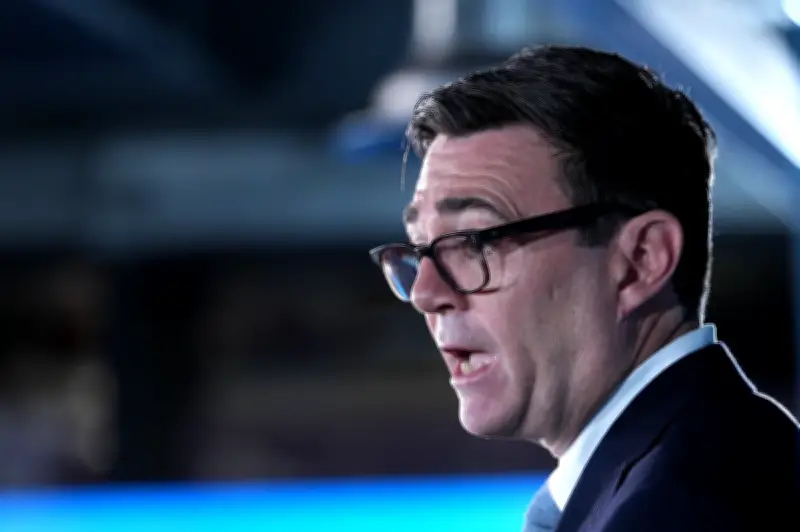
Prime Minister Andy Burnham has said the Budget will set out a path for defence spending to reach 3% of national income by 2030, confirming a key commitment ahead of the autumn statement on Wednesday.
Speaking on ITV's Good Morning Britain, Mr Burnham said national security was “at the top of the priority list” and that Chancellor John Healey would outline the route to meeting NATO obligations.
NATO commitments and defence targets
Opposition critics and military figures have urged the Government to set out a path for defence spending to reach 3% of gross domestic product (GDP) by the end of the decade, along with a NATO pledge to hit 3.5% by 2035.
Asked whether he would set out how to reach the target on Wednesday, Mr Burnham told ITV's Good Morning Britain: “He will set out on Wednesday the path to meet out Nato commitments.”
Asked if that would include 3% of GDP by 2030 as well as 3.5% by 2035, the Prime Minister said: “It is, and we will set out a plan as to how we think is the right way to do that.”
Spending review and welfare approach
The Chancellor, who resigned as defence secretary over a dispute about the pace and extent of military funding earlier this year, has previously said the timetable will be set out at next year's spending review rather than the Budget.
The Office for Budget Responsibility has estimated that reaching 3% would require an additional £17.3 billion in 2029-30.
The Tories have heightened their attacks over welfare spending in recent days after Mr Burnham said national security cannot “come at the expense of social security”. The Prime Minister has insisted he is committed both to funding the military and bringing down the benefits bill, but not through “crude cuts”.
Asked on Monday whether he was convinced he could lower welfare without losing the support of his backbenchers following a rebellion over planned cuts under his predecessor Sir Keir Starmer, Mr Burnham said he was adopting a “different approach”.
“The opposition parties are out there today saying, 'oh, just make crude cuts to the welfare, the welfare budget',” he said. “I personally think that won't work, and it isn't right to do that anyway because it just leads to more and more failure and crisis and spending that isn't helpful for anybody.”
“I think we go at this a different way, which is guaranteeing support for young people up front in a way that we've not done before and then giving them in-work support to hold down a job or a training placement,” he added. “It's a different approach that we're building, but that's one I want to make sustainable for the long run.”