UK consumers are being urged to exercise caution when relying on online reviews for important financial or lifestyle decisions, as new research suggests that more than half of all online reviews are now fake. TruthEngine, an independent platform that specialises in detecting and preventing fake reviews, conducted a five-year study based on millions of data points and forensic analysis by a team of PhDs. The findings indicate that just over 50% of online reviews are fabricated, spanning sectors from estate agents and financial advisers to travel companies, online retailers, energy firms and telecoms providers.
The problem is exacerbated by behavioural biases, as people are more likely to leave reviews after a negative experience than a positive one, distorting genuine feedback. However, the increasing volume of manufactured reviews, often generated by AI, is compounding the issue. TruthEngine CEO Daniel Mohacek warned: 'Fake reviews have been an issue since online reviews became a thing just after the millennium and have been growing and getting more sophisticated ever since. But now, with the arrival of AI, the problem has become so big that it is effectively institutionalised within modern ecommerce. Brands large and small are complicit and people are being lied to on an industrial scale.'
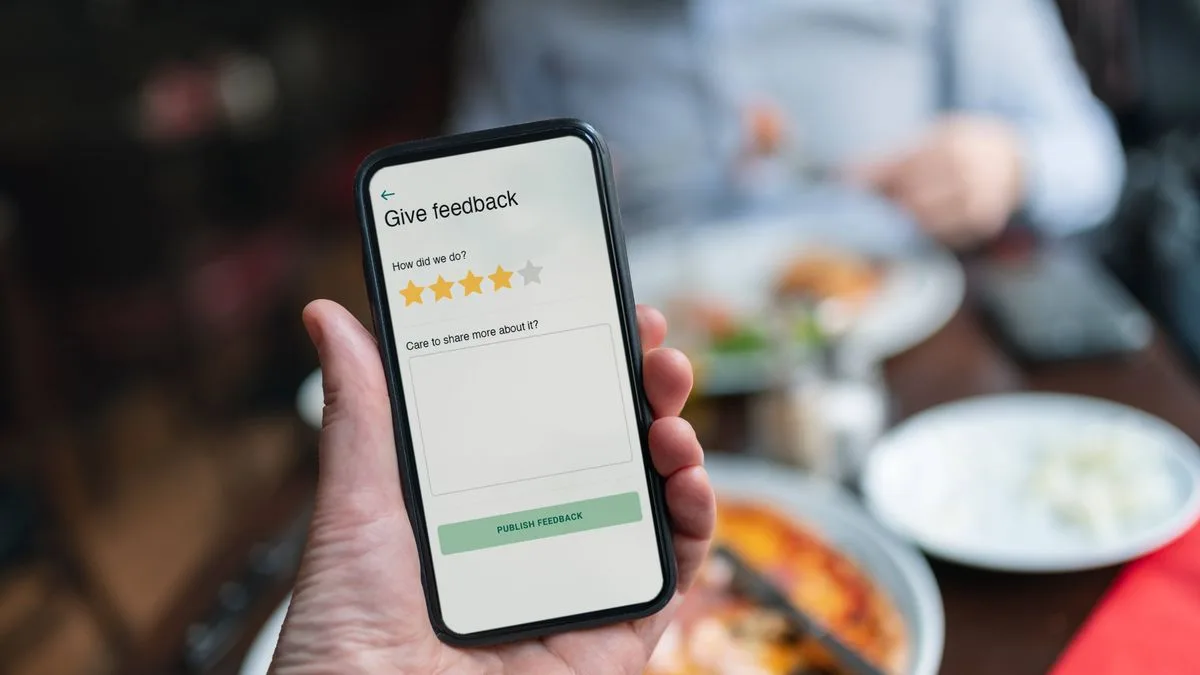
Paradoxically, the ratings shoppers trust most may now be the most unreliable. TruthEngine suggests that businesses with near-flawless scores, especially around 4.9 out of 5, are frequently the most obvious indicators of tampering. In contrast, companies with ratings between two and three stars are now viewed as more trustworthy, reflecting a more genuine balance of favourable and critical responses. Mohacek added: 'If it looks too good to be true, it usually is. When you see a brand with hundreds or even thousands of five-star reviews, that should be a massive red flag.'
The problem has become so severe that TruthEngine has introduced TruthMark, a verification badge for companies whose reviews have been independently verified. While fake reviews may sometimes lead to minor disappointments, such as a poor meal at a restaurant, the risks are far greater in areas like health products, financial services and children's items. Mohacek warned: 'It's one thing when a restaurant has duped you into buying a meal through fake reviews, but it's another thing altogether when you buy a product that could put your or your loved ones' lives at risk.'