
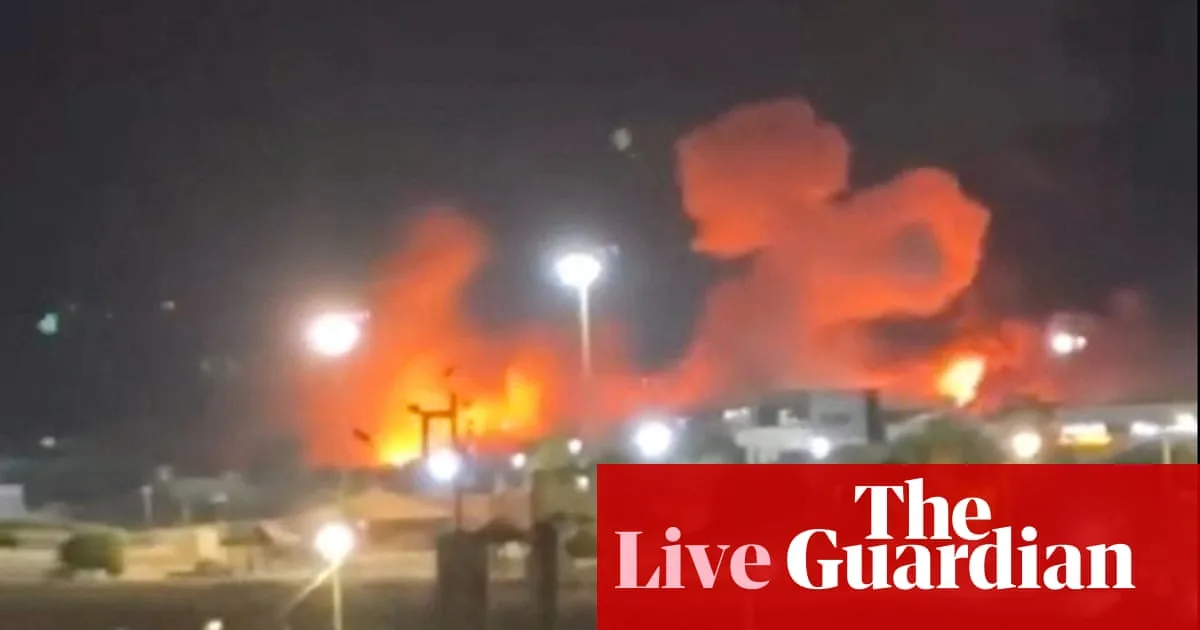
The humanitarian situation in Lebanon has worsened as Donald Trump declared the ceasefire with Iran to be 'over', warning of further US strikes. The US president told reporters at the Nato summit in Turkey that he was prepared to 'hit them hard tonight' after accusing Iran of attacking commercial ships in the Strait of Hormuz. The Pentagon confirmed it had launched strikes on Iran's southern region, targeting Bandar Abbas and Bushehr.
Meanwhile, Lebanon's government has demanded Israel's full withdrawal from two 'pilot zones' in the south before it participates in the next round of direct negotiations in Rome. A diplomatic source told AFP that Beirut is insisting on this condition after a framework agreement reached in US-sponsored talks was rejected by Hezbollah. The agreement called for Hezbollah's disarmament and a gradual Israeli withdrawal, but set no timetable.
Israeli officials have vowed to maintain a six-mile-deep 'security zone' in Lebanese territory as long as Hezbollah remains armed. Israel has also continued its deadly strikes on southern Lebanon, killing two people on Wednesday, and has made its deepest invasion of the country in 26 years.
The escalation in the Middle East has sent oil prices soaring, with Brent crude rising by 5% to over $78 a barrel, the highest since the US and Iran agreed a ceasefire last month. The International Maritime Organization reported that nearly 6,000 seafarers are stranded in the Strait of Hormuz, urging maximum restraint.




