The Republican Party in the United States is facing a critical self-imposed deadline with no clear plan, as internal divisions prevent a unified response to the imminent expiration of key Obamacare subsidies. Millions of Americans who purchase health insurance on the public exchanges are set to see their monthly premiums more than double if Congress and the White House fail to act before the end of the year.
Republican Proposals Clash as Deadline Nears
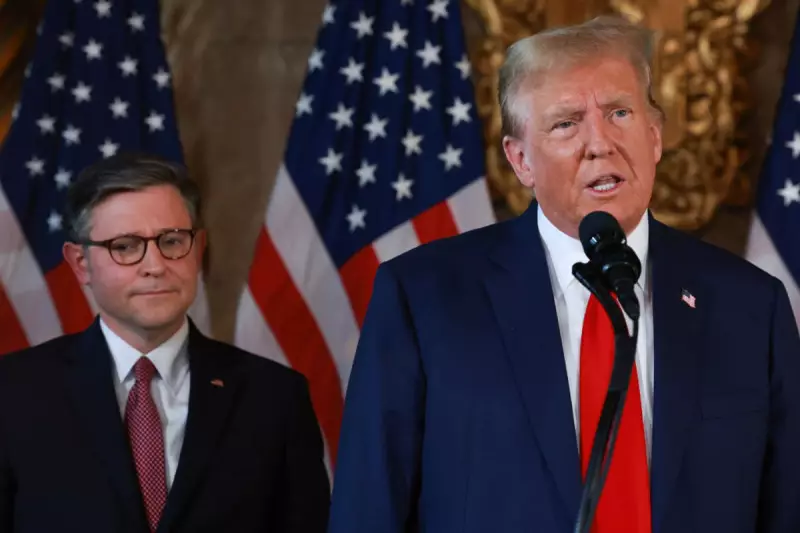
With the calendar year end fast approaching, the political landscape is fragmented. The White House, which had planned to unveil a framework last week, abruptly cancelled the event. This followed reports that House Speaker Mike Johnson informed President Donald Trump that a majority of his caucus opposed extending the subsidies in their current form. The president later denied supporting a two-year extension but conceded some kind of temporary measure might be necessary.
In the Senate, two competing proposals have emerged. One, led by Senator Rick Scott, would redirect the expiring subsidies into Health Savings Accounts (HSAs) that could be used for premiums and other costs. The other, championed by Senator Bill Cassidy, would also funnel money into HSAs but would explicitly bar their use for paying annual insurance premiums. A third plan exists from the bipartisan Problem Solvers caucus in the House of Representatives.

Democratic Support Essential but Uncertain
Any legislative solution faces a steep climb in the Senate, where Republicans hold a 53-seat majority. To overcome a filibuster, they would need at least seven Democrats to cross party lines. While Democrats broadly support extending the subsidies, they are deeply skeptical of the Republican plans to divert funds into HSAs, arguing they undermine the core protections of the Affordable Care Act for sicker individuals and those with pre-existing conditions.
Senator Cassidy expressed optimism in late November, telling Politico that pressure to find a solution would force Democrats to engage. "The president is there. He wants to do it," Cassidy said. However, Democratic unity has shown cracks before, and the party could see defections if a straightforward extension of the subsidies is not part of the final negotiation.
Severe Consequences for Voters and Politicians
The stakes of inaction are extraordinarily high for American households. An analysis by the KFF found that expiration of the enhanced premium tax credits would more than double costs for subsidised enrollees. The average annual premium is projected to jump by 114%, from $888 in 2025 to $1,904 in 2026.
This financial shockwave would hit just months before the November 2026 elections, creating a potent political problem for incumbent lawmakers. Affordability was a key issue in recent Democratic electoral successes, and any premium spike would be felt immediately by millions of voters. With President Trump's approval ratings on economic issues reportedly at a low ebb, the GOP risks exacerbating its biggest electoral vulnerability at the worst possible moment.
Some conservatives advocate for a gradual reduction of the subsidies rather than an abrupt cut-off. However, with the House GOP caucus divided, the Senate offering multiple plans, and the White House yet to formalise its position, the path to a resolution remains deeply unclear with only 30 days left to avert a major healthcare cost crisis.