Households could be losing more than £2,500 a year through five everyday money leaks, according to personal finance expert Kevin Mountford at savings platform Raisin UK. Plugging these leaks could provide valuable extra breathing room, even if only a fraction is saved.
Check Your Subscriptions
Almost nine in 10 UK adults have at least one subscription, with the average Brit spending £50.60 a month, or about £607 a year. Reviewing bank and credit card statements for streaming services, apps, gym memberships, software and subscription boxes can reveal payments for things rarely used.
The Government estimates consumers spend £1.6 billion a year on unwanted subscriptions. Regularly reviewing recurring payments is one of the quickest ways to identify unnecessary spending.
Waste Less Food
Throwing food away costs a family of four an average of £1,000 a year, according to WRAP estimates. Mountford suggested planning meals before shopping, checking cupboards and freezers first, using leftovers and freezing food before it goes off to cut waste.
Make Savings Work Harder
Another leak involves missing interest on savings. Raisin said £10,000 sitting in an account paying 0% would earn nothing over a year, while at 4.75% AER it could earn £475 in gross interest over 12 months. Checking what savings earn and comparing options is key, but Mountford warned to ensure access to money when needed, as fixed-term accounts generally lock cash away.
Cut Energy Waste
Energy Saving Trust estimates households in Great Britain could save around £50 a year by avoiding the tumble dryer where possible, £45 by keeping showers to four minutes and another £45 by switching appliances off standby. That totals approximately £140 a year from three simple changes.
Watch Alcohol Spending
Government figures show average spending on alcoholic drinks was £6.22 per person a week in 2024, more than £323 a year. Cutting back slightly, setting a monthly budget or reducing purchase frequency could free up some of that money.
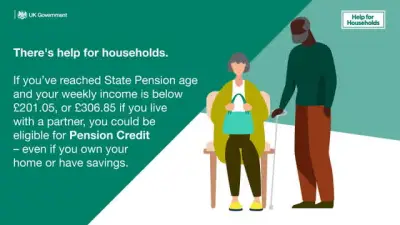
One final check: DWP figures estimate £3.7 billion of benefit eligibility went unfulfilled in the financial year ending 2026. Checking whether you're receiving everything you're entitled to could yield further savings.
Mountford said people often assume saving money has to mean giving up things they enjoy, but some of the best places to start are costs that can easily go unnoticed.