Advertising Watchdog Implements First Bans Under New 'Less Healthy' Food Rules
The Advertising Standards Authority (ASA) has taken its first enforcement actions under new regulations governing advertisements for less healthy food and drink products. Supermarket chains Lidl and Iceland have become the initial retailers to fall foul of these rules, which officially came into effect at the beginning of this year.
Government's Childhood Obesity Strategy Drives New Restrictions
These regulations form a crucial part of the Government's comprehensive strategy to tackle childhood obesity across the United Kingdom. The rules specifically prevent advertisements for food and drink products that are high in fat, salt, and sugar (HFSS) from appearing on television between 5:30am and 9:00pm, while imposing a complete ban on such advertising online at any time of day.
The restrictions apply to products falling within thirteen specific categories that authorities have identified as playing the most significant role in childhood obesity. These categories include:

- Soft drinks and sugary beverages
- Chocolates, sweets, and confectionery
- Pizzas and ready meals
- Ice creams and frozen desserts
- Breakfast cereals and porridges
- Sweetened bread products
- Main meals and sandwiches
Dual Criteria for Product Assessment
Products within these categories undergo further assessment using a sophisticated nutrient profiling scoring tool that evaluates their nutritional content. This tool specifically examines whether products contain excessive levels of saturated fat, salt, or sugar. Only products that meet both criteria—falling within the restricted categories and scoring as 'less healthy' through nutrient profiling—face advertising restrictions under the new regulations.
Lidl's Instagram Campaign Violation
The ASA identified a specific violation in an Instagram post created for Lidl Northern Ireland by influencer Emma Kearney. The advertisement featured two distinct products: Lidl's cheese pretzel and its Pain Suisse product. While the cheese pretzel was not categorized as HFSS and therefore remained outside the restrictions, the Pain Suisse product was classified as both HFSS and a sweetened bread product, resulting in its prohibition under the new rules.
Lidl responded promptly to the ruling, confirming that the advertisement had been removed entirely. The supermarket chain further stated that they had liaised closely with their marketing agency to ensure all future advertising campaigns would fully comply with the new regulatory framework.
Iceland's Multiple Product Violations
In a separate case, Iceland confirmed that two of their advertisements included several products that violated the new regulations. The problematic items included:
- A tub of Swizzles Sweet Treats
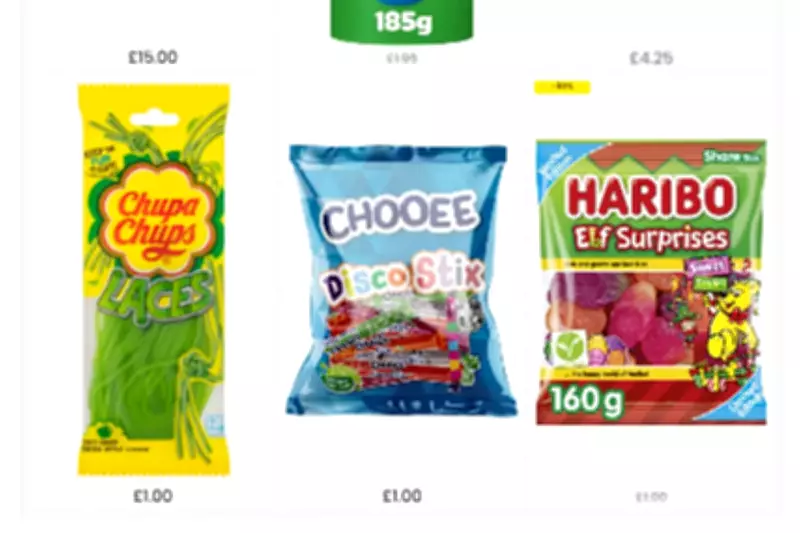
- A packet of Chupa Chups Laces
- A bag of Chooee Disco Stix
- A bag of Haribo Elf Surprises
All these products were officially classified as HFSS items. However, Iceland provided nutrient profile information from their supplier confirming that Pringles Sour Cream & Onion crisps, also featured in the advertisements, did not qualify as an HFSS product and therefore remained permissible.
Additional products appearing in Iceland's advertisements—including their Luxury Aberdeen Angus Beef Roasting Joint, Vegetable Spring Rolls, Sticky Chicken Skewers, and Lurpak Spreadable Butter—were found to fall outside the new restrictions entirely.
ASA Clears Other Advertising Campaigns
The ASA also reviewed several other advertising campaigns and determined they did not violate the new regulations. The watchdog did not uphold a complaint against an Instagram post by influencer John Fisher, known to many as Big John, which featured him promoting menu items at a new German Doner Kebab outlet. The ASA determined that the specific items shown in the advertisement were not classified as less healthy foods.

Additionally, the ASA cleared a television advertisement for On The Beach promoting free airport lounge access. The advertisement featured a boy approaching a buffet and taking a chocolate ring doughnut. The regulator concluded that viewers would interpret the advertisement as demonstrating what was available in the lounge rather than specifically promoting the doughnut itself, meaning it did not breach the new rules.
Regulatory Perspective and Industry Response
ASA chief executive Guy Parker emphasized the regulator's approach, stating: "As the advertising regulator, our role is to remain impartial and independent, ensuring our new LHF rules, which reflect the law, are applied fairly and consistently." He added, "These initial rulings represent an important step in building a clearer picture of how the rules are applied in reality. We will continue playing our role in administering and enforcing them, including through technology-assisted proactive monitoring."
An Iceland spokesperson responded to the rulings, explaining: "The products highlighted were part of a broader range in the specific display advertisement and were featured due to a technical fault with a data feed from a third-party supplier." The spokesperson acknowledged, "As the ASA has pointed out, these initial rulings are helping to build a clearer picture of how the new rules are applied, following the initial confusion and debate surrounding the regulations."
The implementation of these advertising restrictions marks a significant development in public health policy, with regulators now actively monitoring and enforcing compliance across both traditional and digital media platforms.