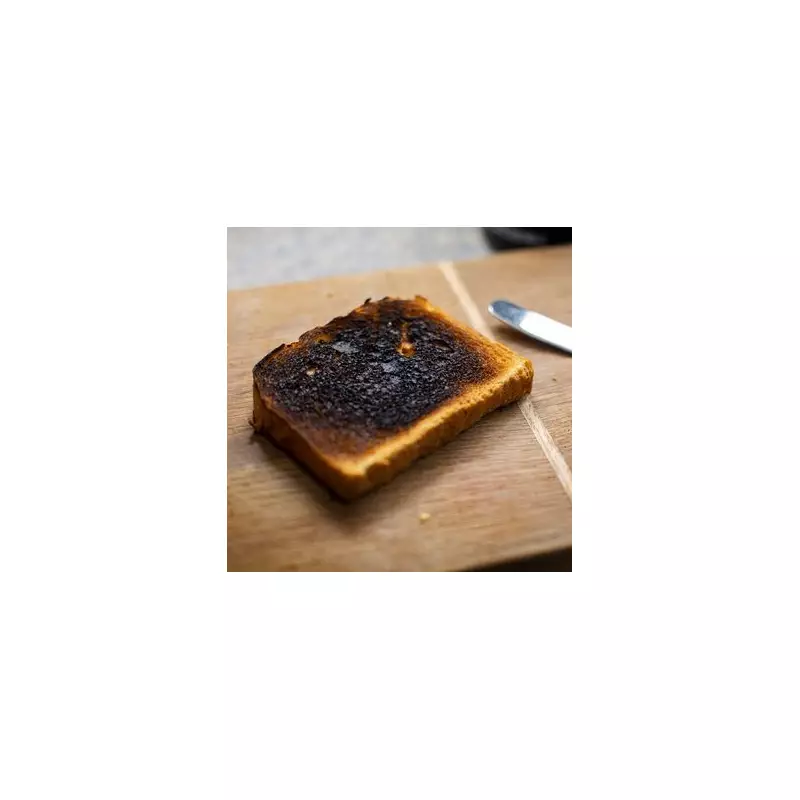
Accidentally burning food is a universal kitchen mishap, yet the instinctive response of tossing it straight into the rubbish bin could be inviting catastrophe into your home. According to a seasoned emergency medical technician with extensive fire service experience, this common practice poses a severe fire risk that many households remain dangerously unaware of.
The Hidden Danger in Your Kitchen Bin
Whether it's toast left too long, a microwave mishap, or an oven-cooked dish forgotten, charred food is typically deemed inedible and destined for the waste. However, Alexandra Fisher, a former EMT who spent a decade with a US fire department, warns that disposing of it while still hot is a critical error. In a recent social media video, she highlighted a startling incident where a microwaved brownie, binned after burning, ignited a fire that required firefighter intervention within an hour.
Why Burnt Food Can Spark a Blaze
Fisher explains that fire doesn't necessarily require an open flame to start. "When you burn food, part of what makes it burn is that it gets really hot. Inside the black, charred, burnt parts of the food, there can actually be little embers," she states. These hidden embers, if placed in a bin alongside other combustible materials like food scraps, plastic wrappers, or bin bags, can easily ignite a larger fire, putting your property and life at risk.

Essential Safety Steps to Follow
To mitigate this hazard, Fisher outlines a straightforward protocol. First, if you burn something in the microwave and see smoke, keep the door closed to contain it, ensure the appliance is off, and monitor if the smoke subsides. If it doesn't, call the fire department immediately. Even if the situation seems under control, never discard the burnt item until it has fully cooled.
Cooling and Checking Procedures
Fisher recommends moving the charred food to a safe location, such as inside your sink, to cool without risk of igniting nearby objects. If safe, running cold water over it can help extinguish any lingering embers, but avoid this if oil is involved, as it could worsen a fire. Crucially, ensure the food is no longer producing smoke, as smoke indicates active combustion.
As an additional precaution, she advises setting a phone timer for 10 to 20 minutes after disposal to recheck the bin, confirming everything remains safe. This simple habit could prevent a potential disaster.
Public Reaction and Awareness
Responses to Fisher's advice have been overwhelmingly positive, with many expressing shock at the previously unknown risk. One commenter noted, "I actually didn't know that throwing burnt food in the bin could be a fire risk. I think a lot of people just don't think before throwing it out." Another thanked her for the life-saving guidance, pledging to share it with family.
This warning underscores the importance of mindfulness in everyday kitchen practices, transforming a minor annoyance into a critical safety lesson that could protect homes nationwide.