Millions of Britons may be putting their eyesight at risk by wearing trendy but inadequate sunglasses, experts have warned. A rise in eye problems linked to UV damage has been reported, with a 41 per cent increase in cataract surgery requests in the past six months alone.
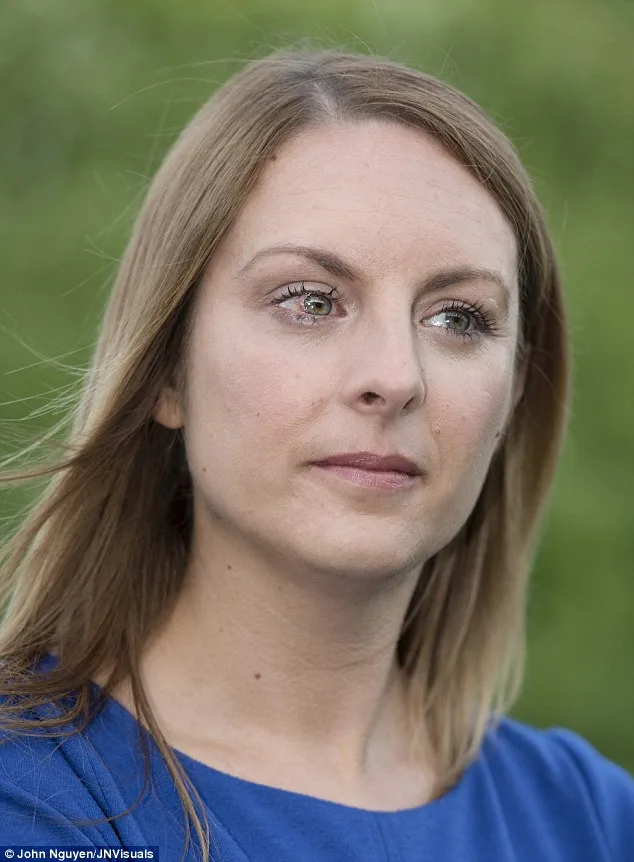
Vicky Lorimer, 34, from South-East London, is to undergo surgery to remove a growth in her right eye, believed to be caused by sun exposure. She admitted she rarely wore sunglasses, often perching them on her head instead. 'I had no idea you could get UV damage in your eyes by not wearing sunglasses for what often boils down to just a couple of sunny weeks a year,' she said.
Mr Saj Khan of the London Eye Hospital said UV rays contribute to cataracts, macular degeneration, and cancers of the cornea or conjunctiva. He warned that many fashionable, flimsy designer styles offer little protection and create a false sense of security. 'The problem with sunglasses is that many are not wraparound, so don’t protect from the sides. Light is just as damaging coming at an angle,' he added.
Helen Walmsley, 62, lost her right eye four years ago after being diagnosed with ocular melanoma, which she believes was linked to UV damage. Experts stress that even short periods of sun exposure without proper eye protection can lead to cumulative damage over time.