The festive season is a time for generosity, but for many, the aftermath involves a familiar chore: navigating a pile of unwanted gifts. With customer returns predicted to surge by a significant 25 to 35 percent in the days following Christmas, getting organised is more crucial than ever to secure your refunds.
Step One: Take Inventory and Use Digital Tools
Begin by gathering all items you intend to return in one convenient spot at home. Ensure you have the original packaging, receipts, packing slips, and any accessories. If something is missing, don't hesitate to ask the gift-giver.
Clay Cary, a senior trends analyst at CouponFollow, strongly advises using digital tools to keep track of everything. "The best way to track returns is to have all the info in the same place," Cary told The Independent. He recommends a notes app, a spreadsheet, or a designated email folder to log crucial details like return deadlines, tracking numbers, and refund confirmations.
Creating a dedicated returns spreadsheet is a wise move. Start by listing each item's description, the retailer, purchase date, and its specific return deadline.
Step Two: Note Policies and Deadlines Meticulously
Checking each shop's return policy is non-negotiable to avoid missing windows, facing rejections, or losing out on a full refund. Consumer expert Andrea Woruch notes that policies are often more flexible during the holidays, with many major retailers offering extended deadlines.
For instance, Amazon typically allows returns until 31 January for most items bought from November, while Apple sets its deadline for 8 January. Best Buy and Macy's offer until 15 January and 31 January respectively, and Walmart also extends to 31 January for holiday purchases.
Always read the fine print for exceptions on certain items or third-party sales. Note every deadline in your digital calendar and spreadsheet. Woruch suggests setting reminders a few days in advance. "Alternatively, add a sticky note on each gift with the retailer's return deadline so you don't forget," she said.
Step Three: Group and Prioritise Your Returns
Once you have all the policy details, group your items by retailer. This makes the physical process of returning much simpler. Then, cross-reference each item's purchase date with the shop's deadline to prioritise which returns are most urgent.
Plan specific dates to submit your returns to avoid last-minute panic. You might tackle all returns in one day or deal with one shop at a time, depending on the volume.
Step Four: Choose Your Return Method Strategically
While in-person returns might involve queues, they often result in faster refunds as there's no postal delay. You also get immediate assistance and can avoid mailed return fees charged by some retailers like Macy's and T.J. Maxx.
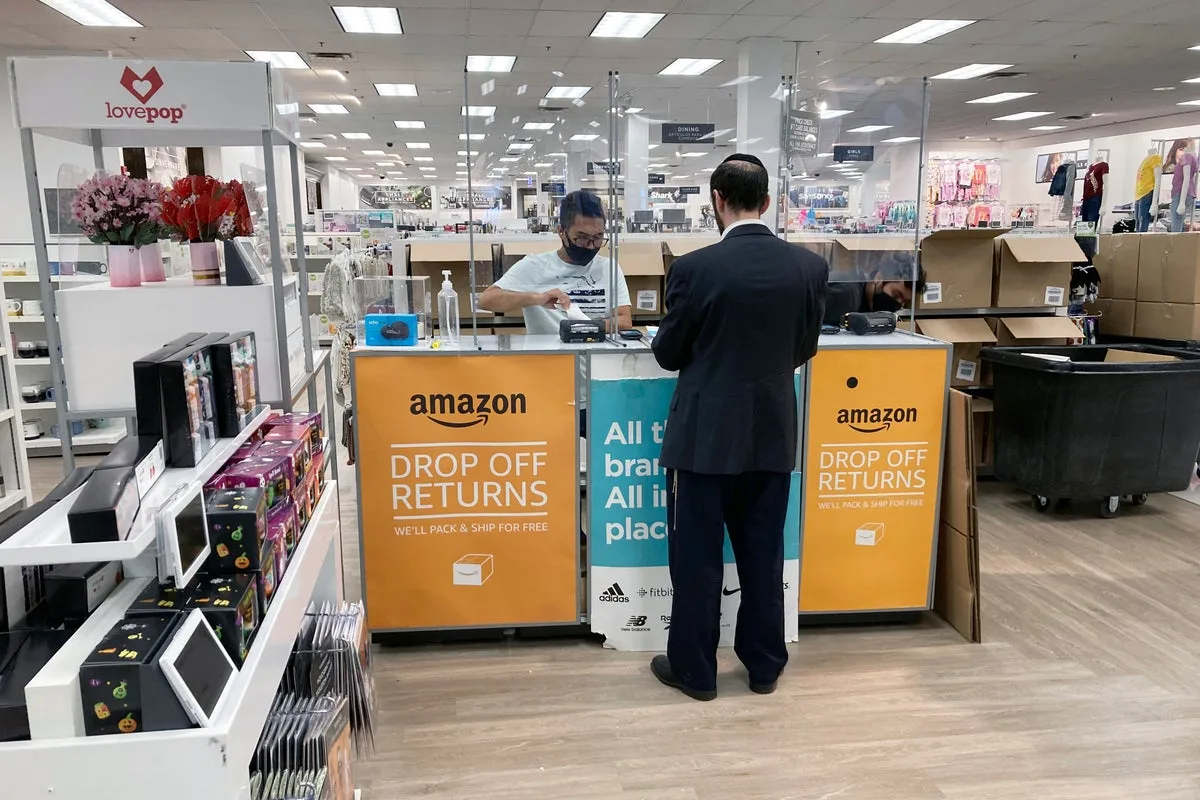
If mailing is necessary, understand any fees, packaging rules, and special options like Amazon's free no-box returns at partner locations like Kohl's. For postal returns, Clay Cary offers essential advice: "Consumers should retain the original packing whenever possible, consider using tracked shipping, and retain the drop-off receipt until the refund process is finalized."
Step Five: Track Everything Closely Until Completion
After sending off your return, vigilantly monitor tracking updates, refund confirmations, and any communications from the retailer. Update your spreadsheet with any new information.
If you encounter a problem—a late refund, a rejected return, or a lost parcel—contact the retailer directly. A simple call can yield results, as Andrea Woruch discovered. "I've called Amazon in the past... the associate found other returns that they never refunded me for that I totally overlooked," she revealed, saving herself around $75.
For lost mailed returns, the retailer will likely ask you to contact the shipping carrier directly. Companies like Royal Mail, DPD, and UPS typically have online forms to file a complaint.
With returns projected to account for 15.8% of total annual retail sales in 2025, amounting to nearly $850 billion, taking a systematic approach is the best way to ensure you're not left out of pocket after the holidays.