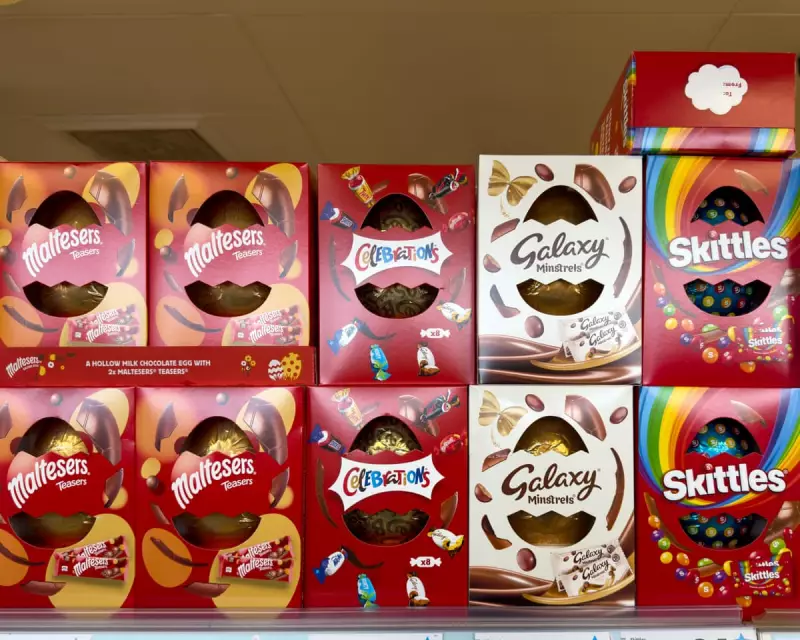
British consumers are facing a double blow this Easter season as many popular chocolate eggs have not only increased in price but have also shrunk in size, a trend driven by record-high cocoa costs.
The Shrinking Easter Basket
A wave of 'shrinkflation' has hit supermarket shelves, with several major brands reducing the weight or contents of their seasonal treats while simultaneously raising prices. This means shoppers are getting less chocolate for more money.
The Maltesers 'The lighter way to enjoy chocolate' Easter egg is living up to its slogan in an unintended way. The XL egg is now 194g in many shops, a significant drop from 231g last year. At Tesco, the price has risen by £1 to £7. This reduction is largely because the box contains one fewer mini pack of Maltesers, resulting in a 39% increase in price per gram to 3.6p.

Cadbury's Twirl eggs have also shrunk, now weighing 218g after a 23g (9.5%) reduction. This change comes from the egg now containing only two individually wrapped Twirl fingers instead of two full bars. Despite the smaller size, the price in most shops has jumped to £7 from £6, leading to a price per gram increase of over 28%.
Even family packs are affected. The Cadbury Mini Eggs family pack now contains four fewer eggs, reducing its weight by 4% to 256g from 270g. At Tesco, the price for non-clubcard holders has soared to £6.20, compared with £4.85 a year ago—a 35% increase. Savvy shoppers can find it cheaper elsewhere, priced at £5.50 in Sainsbury's and Waitrose and £4.94 at Asda.
Soaring Costs Behind the Changes
The primary driver for these changes is the skyrocketing global price of cocoa. Poor harvests over the past three years in the main growing regions of Ghana and Côte d'Ivoire, exacerbated by extreme temperatures and unusual rainfall patterns linked to the climate crisis, have severely constrained supply.
Manufacturers are also grappling with rising costs for sugar, energy, and labour. To manage these pressures without making products prohibitively expensive, companies are employing various tactics, including reducing product size and, in some cases, cocoa content.
In a stark example from last October, McVitie's reduced the cocoa content in its Club and Penguin bars so drastically that they are now marketed as merely 'chocolate flavour'.
Manufacturers and Retailers Respond
A spokesperson for Mars Wrigley UK and Ireland, which owns Maltesers, stated: 'We understand the cost pressures that shoppers continue to face and always aim to absorb rising costs wherever possible. However, ongoing pressures, driven in part by well-documented rises in the cost of cocoa, mean we have had to make carefully considered changes.' They emphasised that final pricing is set by individual retailers.
Mondelēz International, the owner of Cadbury, echoed these sentiments. A spokesperson said: 'We understand the economic pressures that consumers continue to face and any changes to our product sizes is a last resort for our business.' They cited 'significantly higher input costs' across their supply chain, particularly for cocoa and dairy, alongside persistent high energy and transport costs.
Not all products have shrunk. The popular Lindt gold bunny has maintained its 200g weight for the largest option. However, its price has jumped considerably, now costing £8.50 at most retailers compared to £5.50 at Tesco a year ago—an increase of £3.
As Easter approaches, it is clear that the tradition of chocolate eggs is becoming more expensive, with consumers having to scrutinise sizes and prices more closely than ever to find value.