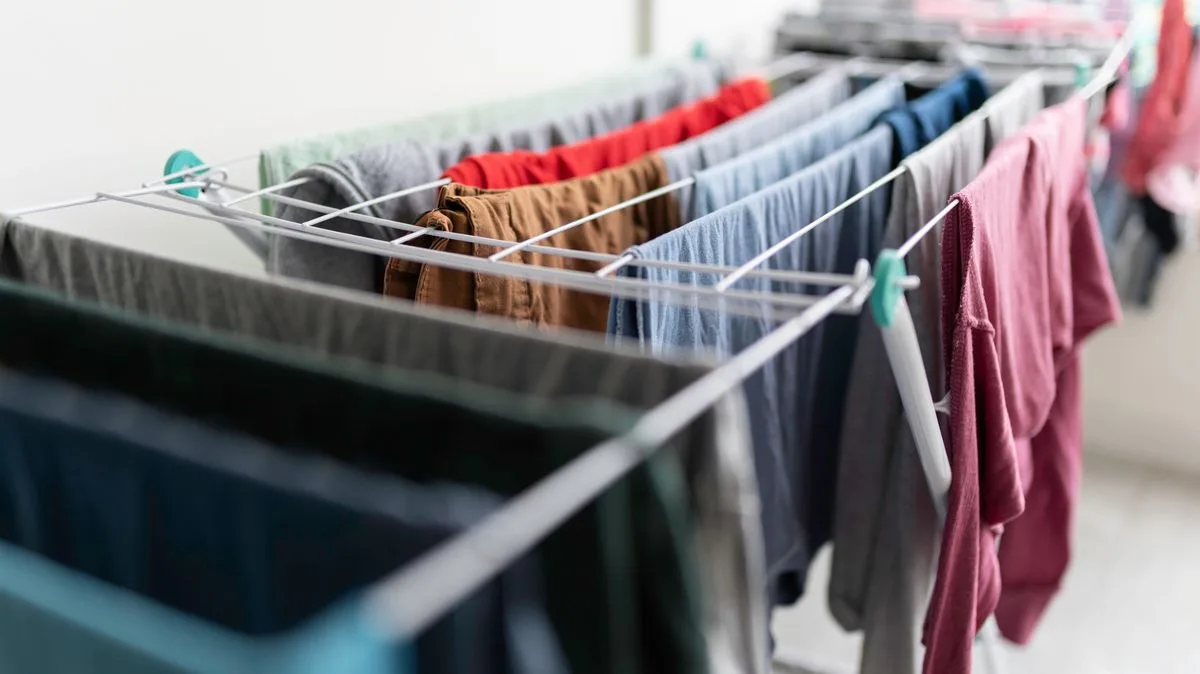
As winter sets in, drying laundry becomes a major household headache. With outdoor lines rendered useless by the weather, many are left grappling with damp clothes, slow-drying airers, and the threat of mould. However, a clever and cost-effective solution is gaining traction among savvy cleaners.
The Winter Drying Dilemma
For many, the go-to solutions of using a tumble dryer or draping wet garments over radiators are either too expensive or problematic. Tumble dryers are costly to run, while radiators can damage wall paint and contribute to dangerous condensation and mould growth. A simple clothes airer is a practical alternative, but as one frustrated member of the popular Mrs Hinch Cleaning Tips Facebook group pointed out, it often dries laundry far too slowly.
She asked the community: "What is the best way to dry clothes when washed please as my normal airer is just not drying them quickly enough?" The response was a resounding endorsement for a specific, energy-efficient appliance.
The Power of the Dehumidifier
The unanimous advice from the group was to combine a standard clothes horse with a dehumidifier. This device works by extracting moisture from the air, significantly accelerating the drying process for your washing. Crucially, it does this while actively preventing the excess dampness that leads to mould.
One enthusiast shared their impressive results: "I got a dehumidifier. I can dry two wash loads in four hours - 4p an hour to run." This means drying two full loads could cost as little as 16p. They added that while the initial purchase might seem steep, it was "seriously worth getting one."
Pro Tips for Maximum Efficiency
Members didn't stop at just using a dehumidifier; they offered a full system for ultra-fast drying:
- Extra Spin Cycle: Run an additional spin in your washing machine to remove as much excess water as possible before hanging.
- Strategic Positioning: Place your dehumidifier directly underneath or close to your loaded airer for targeted drying.
- Shake and Aerate: Give each item a vigorous shake as you take it from the machine to separate fibres and improve airflow.
- Use a Cover: Some recommended using a specialised cover over a 'winged' airer to contain the warm, dry air from the dehumidifier, with one user noting it works "even for towels."
Another commenter summarised the perfect routine: "Extra spin in the washing machine and then on airer with dehumidifier works the best." This simple, two-step method tackles laundry day woes head-on, offering a quick, cheap, and mould-free solution for households across the UK this winter.