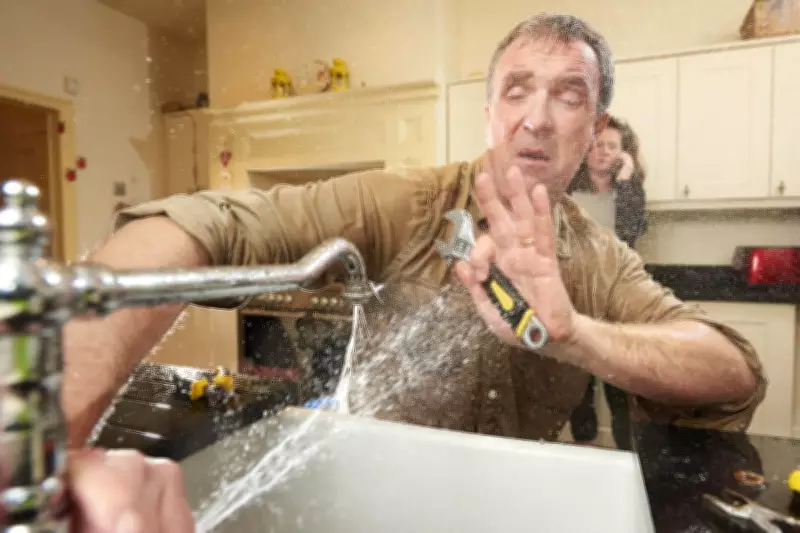
The Great British DIY Delusion
The Easter bank holiday weekend traditionally marks one of the largest DIY sessions across the United Kingdom, with millions of enthusiastic amateurs rolling up their sleeves for home improvement projects. However, beneath this surface of productive activity lies a troubling reality of botched jobs, financial losses, and unfinished dreams.
The Scale of the Problem
According to comprehensive 2025 research conducted by Ding, a prominent home repairs service operated by Homeserve, approximately 4.8 million Britons are expected to mishandle a DIY task during bank holiday periods. The most common disasters include faulty installations of leaking taps, problematic curtain and shelf fittings, and incorrectly bled radiators. Each mistake carries an average repair cost of £106, contributing to a staggering national repair bill exceeding £512 million annually.
This Easter weekend alone, with UK roads predicted to experience their busiest traffic in four years and an estimated 21 million journeys, many have abandoned travel plans in favor of home improvement endeavors. One in five people across the nation reportedly anticipates revamping garden fences, fixing persistent leaks, or undertaking decorative projects during the four-day break.

Personal Tales of DIY Catastrophe
The author's own experiences illustrate the pervasive nature of DIY difficulties. A simple task like resealing a bath with silicone required 22 separate phone calls to Lords Builders Merchants, with professionals repeatedly explaining that the sealant emerged too thick due to an incorrectly cut nozzle. The eventual solution involved wiping everything clean and summoning expert assistance.
Another incident involved attempting to hang a bleak family painting depicting an Industrial Revolution furnace. After purchasing stick-on hooks from Poundland, the picture's weight proved too substantial, pulling a substantial chunk from the children's bedroom wall. Subsequent replastering with ready-mixed filler and painting without applying the essential "mist coat" resulted in dark, discolored patches, leaving the artwork permanently unhung.
Costly Consequences and Unfinished Projects
Further mishaps include a frustrating attempt to dismantle a stylish circular cot, which ultimately required a £100 handyman intervention—precisely the amount hoped to recoup through Vinted sales. Spray-painted radiators developed unsightly blisters, while hallway wallpaper removal and repainting led to an unfortunate incident involving a golden retriever coated in chocolate brown paint, necessitating olive oil treatments and careful scissor work.
Perhaps most dramatically, depressurising a boiler incorrectly triggered the pressure relief valve, creating a permanent leak. The children's treehouse assembly consumed 18 exhausting hours with childminder assistance, reducing the author to tears over instruction manuals and leaving the slide permanently disconnected beneath the structure.
Ding's research confirms this pattern of abandonment, revealing that roughly 15.9 million adults—30 percent of the population—left home improvement projects incomplete in 2025. Painting and decorating tasks accounted for 80 percent of these unfinished endeavors.
The Generational Shift
A significant cultural shift appears underway, particularly among younger generations. Gen Z individuals increasingly hire professionals for basic tasks like changing light bulbs, earning the moniker "GOTDIT" (Get Others To Do It) generation. This trend stems from multiple factors including lack of confidence, safety concerns, and unfamiliarity with toolbox contents.
This approach proves especially prudent in rental properties where substantial deposits remain at risk. DIY projects frequently extend far beyond anticipated timelines, expose amateurs to potential injuries, and often necessitate expensive professional repairs to rectify initial mistakes.

Reevaluating the DIY Fantasy
The traditional DIY ethos centers on feelings of accomplishment, financial savings, and creative focus. However, the reality frequently contradicts this ideal. While successful projects can indeed generate satisfaction, the national obsession warrants reevaluation. Perhaps, as the author concludes, alternative relaxation methods exist beyond shelf installation, and sometimes braving motorway traffic might prove preferable to another DIY disaster.