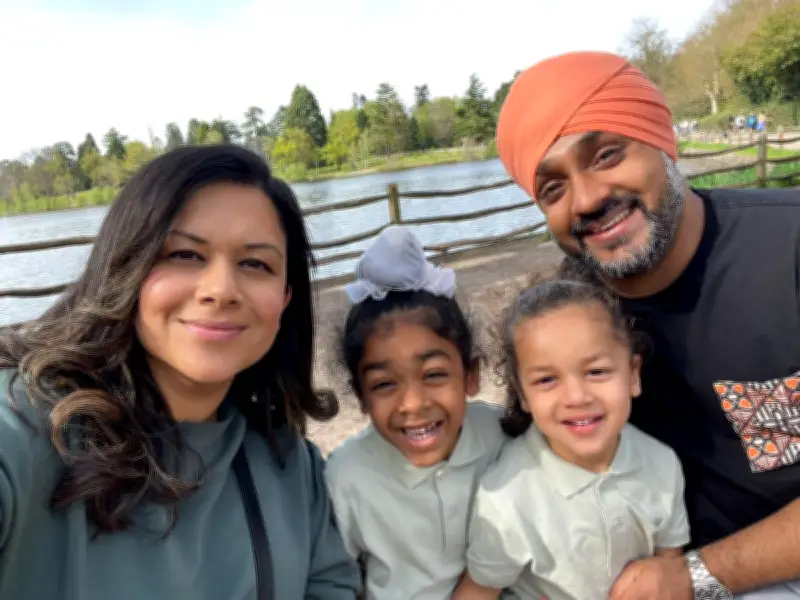
A father who racked up £250,000 in debt has issued a stark warning about seemingly harmless World Cup office sweepstakes. Harj Gahley, 40, from Slough, Berkshire, saw his life unravel as his gambling addiction spiralled, costing him his home, his job, and nearly his marriage.
From a £60 Win to a Quarter-Million Debt
Harj's ordeal began when he won £60 on his first attempt at Blackjack. That initial success trapped him in a cycle of escalating bets. During a single break at work, he lost £9,000. He would place bets even before brushing his teeth in the morning. When major events like the World Cup were on, he would 'go big' with wagers of up to £1,000 each.
“I used to bet a lot, as I was in a high paying job,” Harj explained. “It meant I could afford to bet bigger – go big or go home as I would say. For me, it wasn’t the chat about betting around these events; it was the never-ending talk of football. Teams, players, managers, form, injuries, who was likely to win, who looked strong, who was overrated. Because I was already trapped in addiction, I would take all that information and turn it into betting ideas in my head.”
Workplace Sweepstakes: A Gateway to Bigger Bets
Now a recovery advocate, Harj highlights how workplace sweepstakes contributed to his downfall. “It feels harmless to most people. I used to think in my mind that I should put a proper wager on the team I was drawn. It was completely distorted,” he said. During the 2014 World Cup, he placed multiple bets, including £1,000 on Brazil to win and another £1,000 on Argentina. Both lost. “Each game was fuelled by anxiety, hoping to see a win. When they lost, I was furious and upset,” he recalled.
Over the five-week tournament, he estimates he spent more than £4,000 on bets. Even when he won, the money went straight back into gambling. “A win was never really a win because it only gave me confidence to keep gambling. I was trapped. The only time I didn’t gamble was when I had no money left,” he said.
The Hidden Danger of In-Play Betting
Harj warns that modern gambling, particularly in-play betting, has made the problem worse. “You no longer watch the match, as your eyes are glued to a small screen instead of the big one, waiting for a payout. It’s dangerous as the game becomes secondary and the bet becomes the main event,” he said. He calls on gambling companies to review their advertising tactics during tournaments to prevent others from falling into the same trap.
“Gambling addiction can feel like someone has hijacked your brain and is holding it to ransom. It’s no longer about who could win the match, it’s become about betting on anything that happens during with live odds and in-play betting,” he added.
Recovery and a Plea for Honest Conversations
After seeking help from GamCare, Harj managed to pay off his debts and save his marriage. He now urges people to keep conversations about football focused on the game, not the odds. “If conversations around betting are becoming difficult, step away and speak to someone you trust. If you are struggling, don’t wait until you have lost everything,” he said.
Harj’s story serves as a cautionary tale that even a small, casual bet can lead to devastating consequences. “Football should be about connection, joy and shared memories. But for me, and perhaps many others battling addiction, it became another environment where this was hidden in plain sight,” he concluded.