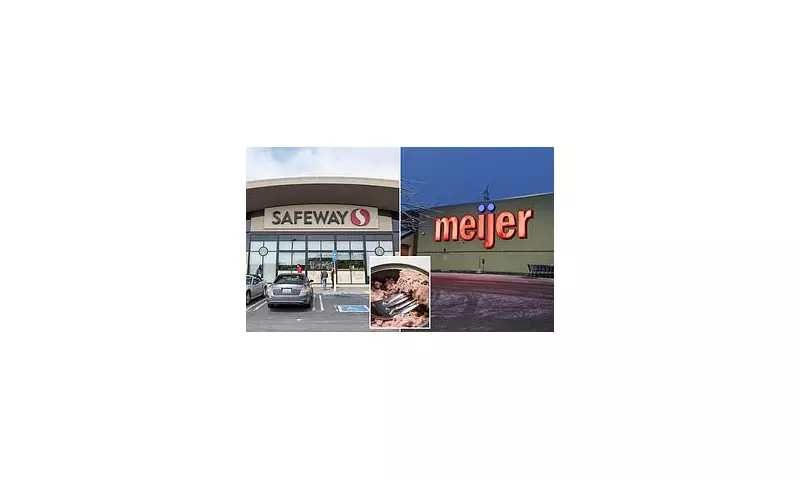
Millions of American consumers are facing a renewed and serious health threat after contaminated cans of tuna, previously subject to a major recall, were accidentally distributed to grocery stores nationwide. The products, sold by Tri-Union Seafoods, were originally recalled in February 2025 over significant botulism concerns, but a recent shipping error has placed them back on shelves.
Critical Recall Details and Distribution Error
The Food and Drug Administration (FDA) has confirmed that a third-party distributor inadvertently shipped some of the recalled tuna products to retailers in nine states, nearly a year after the initial recall was issued. This error has reactivated urgent public health warnings.
Affected Products and Locations
The recalled items include:

- Genova Yellowfin Tuna in Olive Oil, sold in a four-pack of 5-ounce cans with best-by dates of January 21 and 24, 2028.
- Genova Yellowfin Tuna in Extra Virgin Olive Oil with Sea Salt, sold in 5-ounce cans with a best-by date of January 17, 2028.
These products were distributed to:
- Meijer stores in Illinois, Indiana, Kentucky, Michigan, Ohio, and Wisconsin.
- Giant Food locations in Maryland and Virginia.
- Safeway, Albertsons, Vons, and Pavilions stores in California.
The UPC codes for identification are 4800073265 for the tuna in olive oil and 4800013275 for the tuna with sea salt, with specific can codes provided by the FDA.
The Severe Danger of Botulism Poisoning
Botulism is a rare but potentially fatal form of food poisoning caused by a neurotoxin produced by the bacterium Clostridium botulinum. The risk with these tuna cans stems from a weakening seal on the easy-open tabs, which can allow air to enter and create conditions for the toxin to develop.
Symptoms and Medical Emergency
Botulism poisoning leads to progressive, descending paralysis, typically starting in the face and eyes before moving to the throat and chest. This can cause severe difficulty swallowing and breathing, eventually spreading to the limbs. Additional symptoms include muscle weakness, nausea, vomiting, and abdominal cramps.
This condition is an immediate medical emergency that requires prompt administration of an antitoxin. Without treatment, paralysis can affect breathing muscles and prove deadly. Recovery often takes weeks and may involve extensive occupational and physical therapy, with some patients experiencing breathing difficulties for years.
Context and Public Health Response
While botulism is uncommon in the United States, recent outbreaks highlight ongoing food safety challenges. For instance, a late 2024 outbreak linked to ByHeart baby formula affected 51 infants across 19 states from December 2023 to December 2025.
Health officials are urging consumers not to consume the recalled tuna products, even if they appear and smell normal. They advise returning the items to the place of purchase or contacting Tri-Union Seafoods directly for disposal instructions. This incident underscores the critical importance of vigilance in food supply chains and recall compliance to prevent catastrophic health outcomes.