Millions of motorists across the UK could be unknowingly driving with a common eye condition that risks a significant fine and penalty points on their licence. The issue becomes particularly acute during the long, dark nights of winter.
The Hidden Danger of Blurred Lights
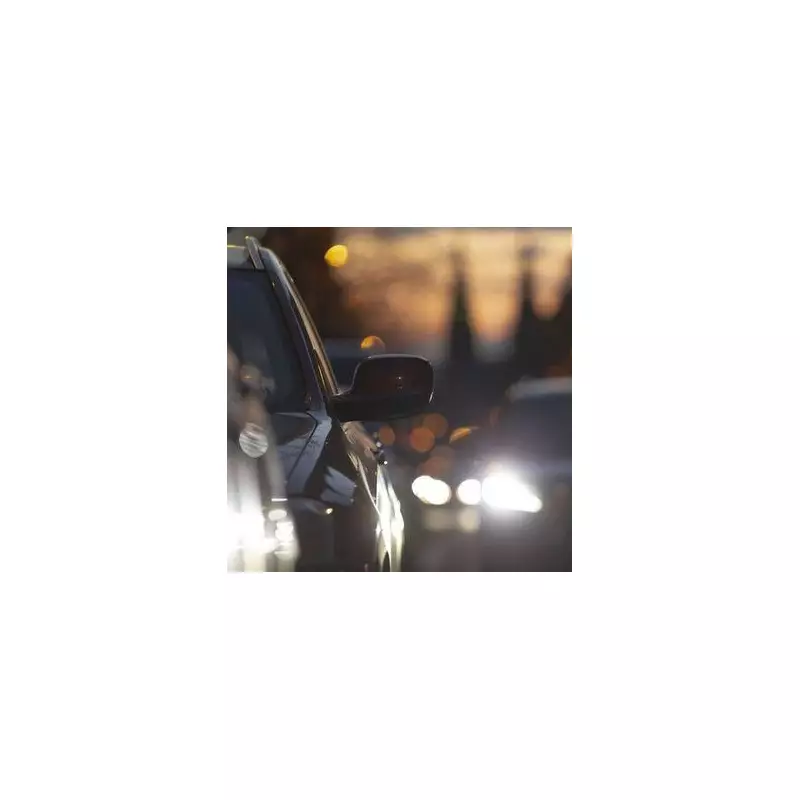
If you find that the glare from oncoming headlights or street lamps appears streaky, fuzzy, or seems to 'bleed' into long lines when driving after dark, you may have an undiagnosed vision problem. This is a classic symptom of astigmatism, a condition affecting the shape of the cornea.
According to research published in the Journal of Current Ophthalmology, approximately 40% of adults live with some degree of astigmatism. Experts suggest the true figure could be even higher, as many people remain unaware their vision is impaired.

Modern Headlights and Increased Risk
Simon England, co-founder of GAP insurance provider ALA Insurance, highlighted a growing problem for affected drivers. He explained that since the 2010s, vehicle headlights and street lighting have become brighter and harsher compared to the softer lights of older models.
"For anyone with astigmatism, modern lights can make driving uncomfortable and even disorienting, particularly on dark winter nights," England stated in comments reported by the Express.
This glare and distortion can severely reduce a driver's ability to read road signs accurately, judge distances correctly, or spot potential hazards in time. Even a slight blurring of vision in low-light conditions can substantially increase the risk of an accident.
The Legal and Financial Consequences
The repercussions of driving with uncorrected vision extend far beyond discomfort. If your eyesight falls below the legal standard and you are stopped by police, you face serious penalties.
Simon England warned: "If your eyesight is below the legal standard and you're stopped by police, you could face a £1,000 fine, three points on your licence and even risk your insurance being invalidated."
It is a legal requirement for all drivers to meet a minimum eyesight standard, which includes being able to read a number plate from 20 metres away. Astigmatism that distorts vision, especially at night, can easily cause a driver to fall below this threshold.
Other common sight issues, such as dry eyes or early-stage cataracts, can also exacerbate problems with glare. A dirty or damaged windscreen can produce a similar blinding effect, compounding the danger.
Taking Action to Stay Safe and Legal
The advice for any driver experiencing these symptoms is clear and urgent. If you suspect your night vision is compromised, you should book an appointment with an optometrist without delay.
A simple eye test can diagnose astigmatism, and corrective measures such as prescription glasses or contact lenses can often resolve the issue, restoring clear vision and ensuring you meet the legal standard for driving.
Proactively managing your eye health is not just about avoiding fines; it is a critical step in ensuring your safety and the safety of other road users during the most challenging driving conditions of the year.