Shoppers are paying up to 70% more for Christmas chocolate treats compared with last year, while the price of a turkey has jumped by as much as £15, according to the consumer champion Which?.
The group analysed a range of ingredients for a typical Christmas dinner, as well as other festive staples including mince pies, sparkling wine and chocolates. Festive chocolate had the steepest mark-up, with a Lindt Lindor milk chocolate truffles box at Asda rising 72% to £1.98 from £1.15, and a Lindt Milk Chocolate Teddy Christmas decoration at Morrisons up 71% to £6 from £3.50. Across the entire chocolate category, prices have risen by an average of 14% year on year.
Reena Sewraz, retail editor at Which?, said: “Blanket inflation figures do not show the full picture of what shoppers face at the supermarket when doing their Christmas food shop. Some individual items have shot up by more than 70% in price year on year.” Poor cocoa harvests in main growing regions, driven by extreme temperatures and heavy rainfall, have contributed to the rising cost of chocolate.
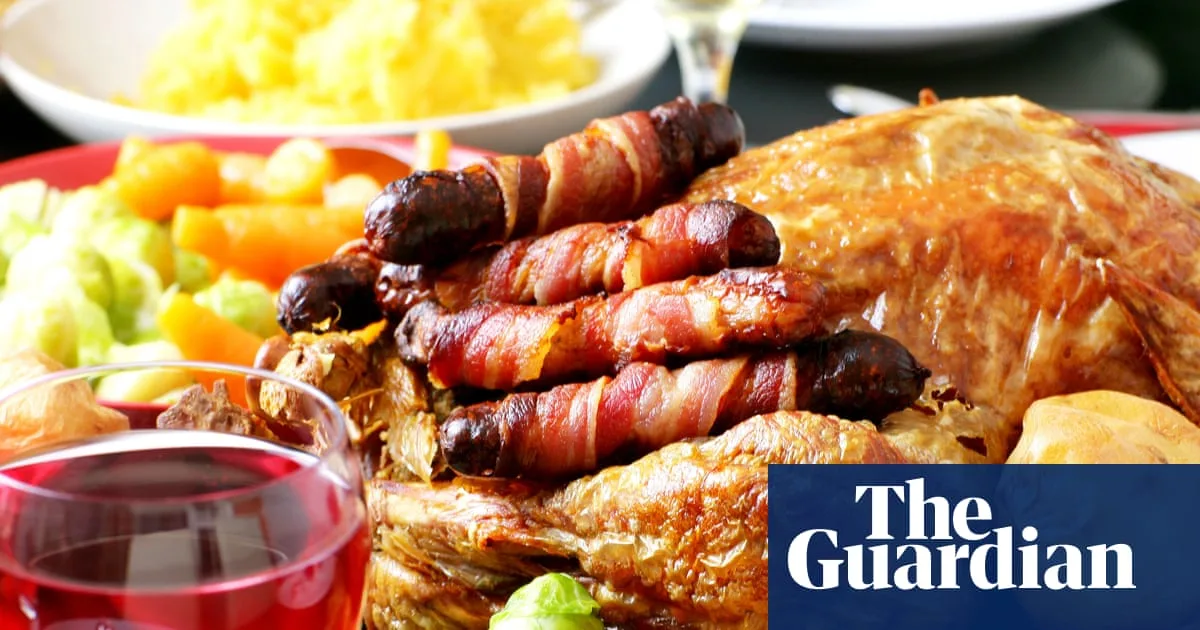
Higher-priced products such as turkeys have seen the biggest monetary increases. A Tesco Finest free range medium bronze turkey crown has gone up £14.95 to £68.77, a 27.8% rise. Across all types of turkey, year-on-year inflation averaged 4.7%, with bird flu and rising farmer costs cited as factors. The popularity of turkey as a Christmas centrepiece has declined, with Waitrose announcing it will not sell whole frozen turkeys this year, following Marks & Spencer last year.
Among the UK’s biggest supermarkets, Waitrose raised prices the most, up 6.2% compared with last year’s run-up to Christmas, while Asda kept increases lowest at 3%. Waitrose said some products discounted last year were not reduced this Christmas. Sainsbury’s said it was “continuing fantastic offers”, including price-matched mince pies from £1.25 and vegetable trimmings at 15p with Nectar prices from 18 December to Christmas Eve.