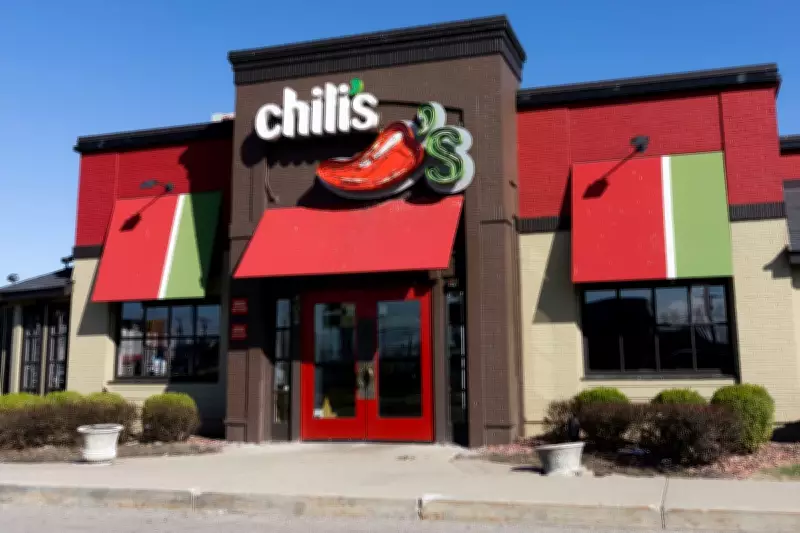
Restaurant Dress Code Feud Erupts Between Chili's and Ruth's Chris
A heated debate over restaurant dress codes has boiled over this week after fast-casual chain Chili's publicly mocked rival Ruth's Chris Steak House for its formal business attire rules. The controversy began when Ruth's Chris went viral on social media platform X for a post detailing its dress code, which explicitly banned sportswear and baseball caps inside the establishment.
Chili's Fires Back with Casual Approach
Chili's, the restaurant chain famous for its baby back ribs, quickly issued its own response that directly contrasted with Ruth's Chris's formal requirements. "The only dress code at Chili's is that you have to be dressed," the company wrote in a statement that immediately captured public attention. This simple declaration highlighted the stark difference between the two dining establishments' approaches to customer attire.
The exchange sparked an immediate and passionate internet debate about dining standards, class distinctions, and appropriate behavior in restaurants. One internet user identifying as "Terry Thighbone" commented sharply: "Hey we can't all have class. Good thing Chili's is here for the bottom feeders."

Ruth's Chris Defends Formal Standards
Ruth's Chris Steak House, which was acquired by Darden Restaurants in 2023 for approximately $715 million, maintains specific dress requirements that have faced increasing criticism in recent weeks. The upscale steakhouse instructs diners to remove hats upon entering and directs those wearing baseball caps to sit in the bar or lounge areas rather than the main dining room.
Their comprehensive list of prohibited items includes: "gym wear, pool attire, tank tops, clothing with offensive graphics or language, revealing clothing and exposed undergarments." These rules have drawn mixed reactions from diners, with some praising the establishment for maintaining standards while others criticize them as overly strict and exclusionary.
Social Media Erupts with Divided Opinions
Chili's post quickly drew thousands of reactions across social media platforms. Many users applauded the chain's inclusive approach, responding with comments such as "I'd rather go to Chili's" and "I totally support this." The debate revealed deep divisions about what constitutes appropriate dining attire in contemporary society.
Commentator Sarah Good suggested there was room for both approaches in the dining landscape: "Well Chili's is where we go on a Thursday night for margaritas and chips. Ruth's Chris is where we go for special moments. So thank goodness they set standards because some people would come dressed for a Thursday night at Chili's if not prevented."
Nostalgia for Formal Dining Standards
Some social media users defended the idea of dressing up for special occasions, suggesting it harked back to nostalgic ideas of the good old days. One person argued that "people are tired of the general abandonment of all standards in society," while another stated: "More restaurants should start doing this. Not everything is for everyone. People act how they're dressed. When you take time to get dressed nicely, you tend to act differently than if you're in sweatpants and a tank top."
The phrase "Make Dining Great Again" emerged in the discussion, echoing broader cultural debates about standards and tradition. One social media user extended the conversation beyond restaurants: "I wish cruise lines did this for the dining rooms. There is a buffet for those who prefer slovenly attire. Last cruise I was on, some family was wearing basketball jerseys and ballcaps in the dining room. The dad took his shoes off at the table. Gross."
Political Dimensions Emerge
The debate took a political turn when one poster raised concerns about potential conflicts with political attire: "What if President Trump went there and wore his MAGA baseball cap style hat. Would they kick him out or what?" This question highlighted how dress codes can intersect with political expression and identity in public spaces.
Meanwhile, other users maintained lighter perspectives, with one asking humorously: "Mr. Chili's, can I please wear my top hat and opera cloak to your fine establishment?" This comment underscored the ongoing tension between formality and casualness that characterizes contemporary dining culture.

The dress code controversy continues to generate discussion about class, accessibility, and the evolving nature of dining experiences in modern society, with both restaurants receiving significant attention for their contrasting approaches to customer attire.