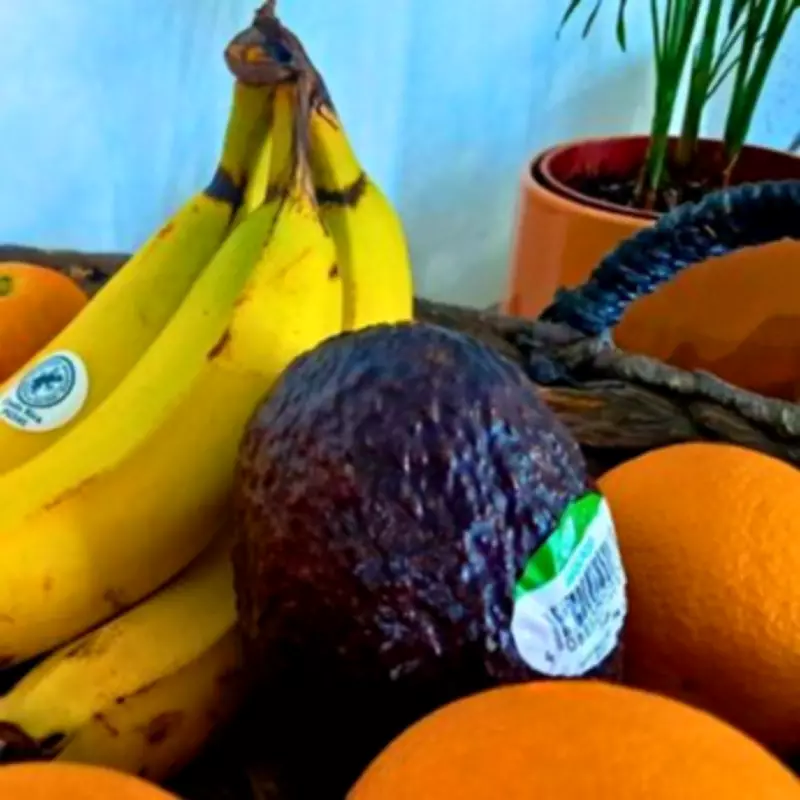
Banana Storage Blunder: UK Households Urged to Stop Fruit Bowl Mix-Ups
British households are being advised to immediately cease storing bananas alongside other fruits in their kitchen fruit bowls. This common practice is contributing significantly to food waste, with bananas ranking among the most frequently discarded items in UK homes.
The Scale of Banana Waste
Recent data reveals that over one million bananas are thrown away daily across British households. This represents a substantial financial drain for families, essentially equating to money being discarded alongside the fruit. The premature spoilage of bananas is often directly linked to improper storage methods that many consumers unknowingly employ.
Why Fruit Bowls Are Problematic
The traditional fruit bowl, while aesthetically pleasing, creates an environment that dramatically accelerates banana ripening and decay. The primary culprit is ethylene gas, a natural compound emitted by most fruits as they ripen.

"Bananas are particularly sensitive to ethylene exposure," explains food storage experts. "When placed in close proximity to ethylene-producing fruits like apples, peaches, and avocados, bananas can deteriorate into blackened, mushy specimens within mere days."
Optimal Storage Solutions
Fortunately, extending banana freshness requires surprisingly simple adjustments to household routines:
- Designated Banana Bowl: Store bananas separately from other fruits in their own dedicated bowl placed elsewhere in the kitchen. This simple separation can significantly prolong their freshness compared to mixed fruit bowl storage.
- Stem Wrapping Technique: Wrap banana stems tightly with clingfilm. This clever trick restricts the fruit's natural ethylene output, helping maintain that appealing yellow hue for an extended period.
- Refrigeration Strategy: Once bananas have fully ripened to a yellow color, transfer them to the refrigerator. The chilly environment slows the ripening process dramatically, extending freshness by one to two additional weeks.
Important Refrigeration Guidelines
While refrigeration proves highly effective for ripe bananas, certain precautions must be observed:
- Only refrigerate bananas that have turned completely yellow
- Never refrigerate green, unripe bananas as cold temperatures can permanently halt the ripening process
- Expect banana skins to darken to brown or black in the fridge—this is normal for tropical fruits and doesn't indicate spoilage
- The flesh inside refrigerated bananas remains fresh and perfectly edible despite skin discoloration
Comprehensive Storage Approach
For maximum banana longevity, experts recommend a two-phase storage system:
First, keep green bananas separate from other fruits or wrap their stems while they ripen at room temperature. Once they achieve the desired yellow ripeness, immediately transfer them to the refrigerator. This method can maintain banana freshness for up to two weeks or longer, dramatically reducing household food waste.
By implementing these straightforward storage adjustments, UK households can substantially reduce banana waste, saving money on their weekly grocery shopping while contributing to broader environmental sustainability efforts through decreased food disposal.