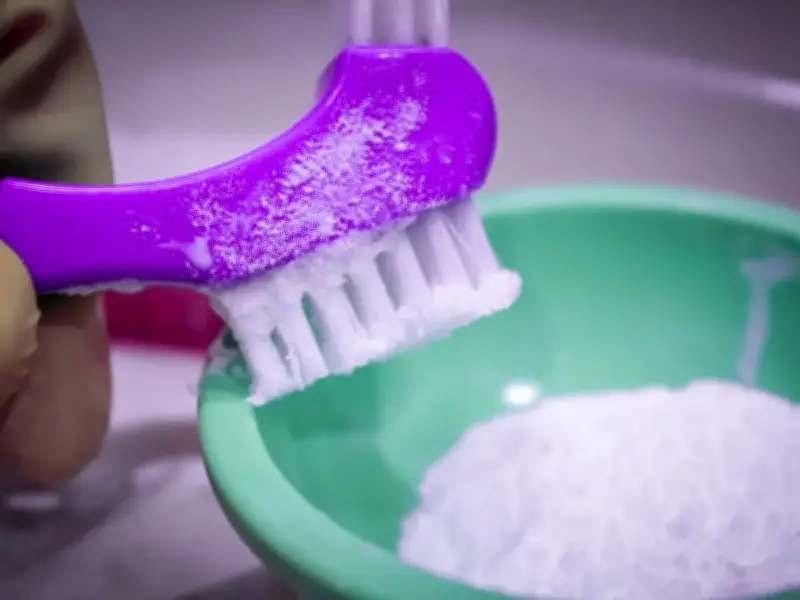
Baking soda, also known as bicarbonate of soda, is a widely used and versatile cleaning agent found in many homes. People like it because it's natural, affordable, safe, and effective on various surfaces without producing strong chemical odours.
Although baking soda is a popular, low-cost cleaning hack, specialists say it should not be used in some rooms of the house. Brian Toward, CEO of bathroom retailer Wholesale Domestic, has warned that certain parts of the bathroom should not be cleaned with baking soda, as it "might do more harm than good".
What Surfaces to Avoid
Brian aims to educate homeowners on why baking soda should not be used on mirrors, shower doors, bathtubs and tiled or stoned surfaces. He hopes his advice will help people to avoid damage to bathroom features that could be expensive to repair or replace.
Brian explained: "You should never clean glass with baking soda, so stay clear of cleaning mirrors, shower doors and windows with it." He says baking soda's grainy texture is slightly abrasive and can create lasting micro-scratches. These small scratches can dull the reflective surface of mirrors and cause glass to appear cloudy, hazy, or permanently dirty.
Alternative Cleaning Methods
He added: "As it’s an abrasive cleaner, it can scratch the glass and also leave a film or residue if not rinsed thoroughly, making it look cloudy and streaky. Instead, mix together white vinegar and water in a spray bottle, apply it to the glass and wipe it away with a microfiber cloth."
Brian says using baking soda to clean grout can cause damage and wear it down over time. He added: "While baking soda can be good for cleaning tile surfaces, it's not the best option for cleaning grout as it can cause damage and wear down the grout over time. Use a mixture of hydrogen peroxide and water or vinegar and water. Apply the solution, let it sit for a few minutes, and then scrub it with a grout brush."
Protecting Stone and Acrylic
Baking soda's abrasive nature can also scratch and dull the finish of natural stone surfaces like marble and granite. If you have these in your bathroom, use a gentle pH-neutral cleaner specifically formulated for natural stone instead, or make your own by mixing mild dish soap with water.
Lastly, Brian advises against using baking soda to clean acrylic bathtubs. He said: "Doing so can scratch the surface, leaving them visibly damaged. Instead, again use a mild liquid soap or dish detergent mixed with warm water. Also avoid harsh, abrasive scrubbers that can cause scratching."
He concluded: "If you’re unsure if there are parts of the bathroom you can clean with baking soda, test it in a small area before applying it to the entire surface to prevent damage."