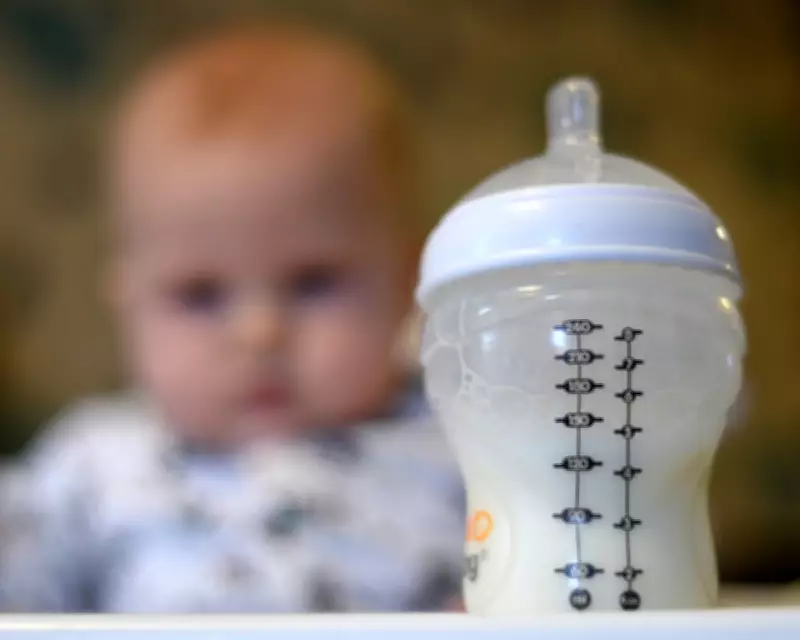
Major infant formula manufacturers Nestlé and Danone have initiated precautionary recalls of specific batches of their products in the UK, following concerns over the potential presence of the cereulide toxin. This development comes as the UK Health Security Agency (UKHSA) reports 36 clinical cases of children exhibiting symptoms consistent with toxin poisoning, linked to the consumption of these recalled formulas.
UKHSA Reports on Toxin Poisoning Cases
The UKHSA has disclosed that it, along with partner agencies, has received notifications of 36 children who consumed implicated batches and developed adverse symptoms. The breakdown includes 24 cases in England, seven in Scotland, three in Wales, one in Northern Ireland, and one from the crown dependencies. These clinical reports highlight symptoms such as nausea and vomiting, which are associated with cereulide toxin exposure, raising alarms about food safety in infant nutrition products.
Details of the Recalls by Nestlé and Danone
On 5 January, the Food Standards Agency announced that Nestlé was undertaking a precautionary recall of several batches of 12 SMA Infant Formula and Follow-On Formula products across the UK. This action was prompted by the possible presence of cereulide toxin, a substance known to cause gastrointestinal distress when ingested. The recall was subsequently updated on 9 January with new product expiry dates to ensure consumer awareness and safety.

In a related move, Danone, another prominent distributor of infant formula, recalled one batch of Aptamil First Infant Formula on 24 January due to confirmed cereulide contamination. This step underscores the widespread nature of the issue, affecting multiple brands and batches in the market.
Implications for Food Safety and Public Health
The recalls and associated poisoning cases have sparked concerns over food safety protocols within the baby formula industry. Cereulide toxin, produced by certain bacteria, can lead to severe health effects in infants, including dehydration and other complications if not addressed promptly. Health authorities are urging parents and caregivers to check product labels and discontinue use of any affected batches, while also monitoring for symptoms in children who may have consumed these formulas.
This incident highlights the critical role of regulatory bodies like the UKHSA and Food Standards Agency in monitoring and responding to food safety threats. It also raises questions about quality control measures in the manufacturing and distribution of essential infant nutrition products, emphasizing the need for stringent checks to prevent future occurrences.