Aldi Frozen Meatballs Recalled Nationwide Over Metal Fragment Contamination Fears
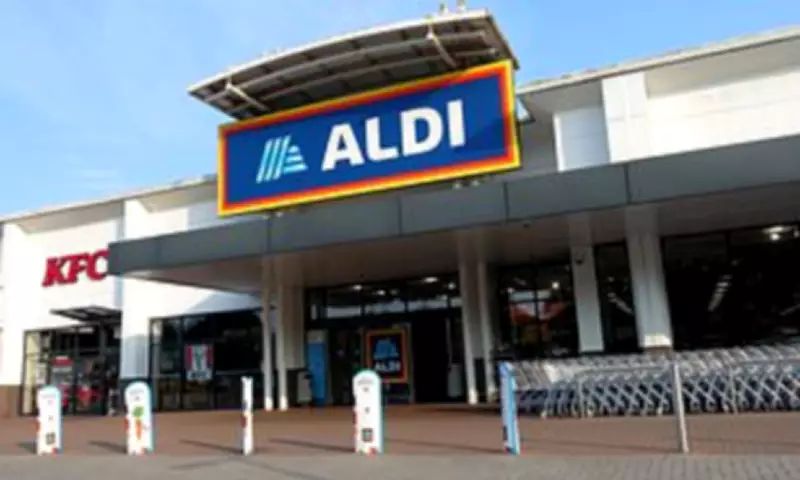
In a significant food safety alert, a popular frozen family product sold at Aldi supermarkets has been urgently recalled due to concerns it may contain dangerous metal fragments. New York-based Rosina Food Products, Inc. is pulling approximately 9,500 pounds of ready-to-eat frozen meatballs from Aldi store shelves across 36 states, following a customer complaint that triggered a federal investigation.
Customer Complaint Prompts Immediate Recall Action
The recall was initiated after a consumer reported discovering pieces of metal in their meatballs to the Department of Agriculture’s Food Safety and Inspection Service (FSIS). The frozen meatballs in question were produced on July 30, 2025, and carry a ‘best by’ date of October 30, 2026, giving them a substantial 15-month shelf life that means many could still be present in household freezers nationwide.
The affected products were shipped to Aldi stores across the country in 32-ounce bags labeled ‘Bremer FAMILY SIZE ITALIAN STYLE MEATBALLS.’ Each package bears the USDA mark of inspection including establishment number ‘EST. 4286B.’ The products were distributed to more than 2,000 Aldi locations, significantly expanding the potential exposure risk.

Serious Health Risks from Metal Contamination
While there have been no confirmed reports of injuries from consuming these products, the FSIS has expressed serious concern that millions of Americans could have the tainted meatballs in their freezers. The agency has issued a stark warning: ‘Consumers who have purchased these products are urged not to consume them. These products should be thrown away or returned to the place of purchase.’
The metal fragments pose multiple health hazards if swallowed. Depending on their size and sharpness, they could potentially damage teeth, cut the mouth or throat, or cause more serious internal injuries to the stomach or intestines. In rare but dangerous cases, swallowing metal objects can lead to tears or blockages in the digestive tract, potentially requiring emergency medical intervention including surgery.
Manufacturing Process Likely Source of Contamination
Rosina Food Products has not disclosed exactly how metal may have entered their production process, but industry experts note that metal fragments typically contaminate food during manufacturing when equipment malfunctions or deteriorates. Common sources include worn machinery, metal-on-metal grinding operations, and sheared bolts or screws that shed tiny pieces into production lines.
This recall occurs against a backdrop of increasing food safety concerns. USDA recall volumes reached 67.6 million pounds in 2025 – the highest level in 13 years. Remarkably, nearly all of this (97.3 percent) was due to foreign objects in food, driven largely by a single massive 58-million-pound recall of corn dogs contaminated with wood fragments.
Broader Context of Food Safety Challenges
Just days after the meatball recall announcement, Trader Joe’s revealed it was pulling more than 3.3 million pounds of frozen chicken fried rice due to potential contamination with shards of glass. Both the meatball and chicken fried rice recalls are classified by the FSIS as Class I events, meaning ‘there is a reasonable probability that use of the product will cause serious, adverse health consequences or death.’
The Centers for Disease Control and Prevention estimates that approximately 48 million Americans experience foodborne illness each year, primarily from bacteria and viruses. However, physical hazards like foreign objects also contribute significantly to public health risks, sending tens of thousands to emergency rooms annually. In 2018 alone, roughly 165,000 emergency room visits involved individuals swallowing objects that should never have been present in food products.
The FSIS performs millions of food inspections annually, maintaining an extensive archive of safety records and recall notices. Consumers are encouraged to check their freezers for the affected products and follow disposal or return instructions immediately to prevent potential health complications.