UK Alcohol Duty Hike: Spirits, Wine and Beer Prices Set to Rise from Sunday
Alcohol Duty Increase to Push Up UK Drink Prices

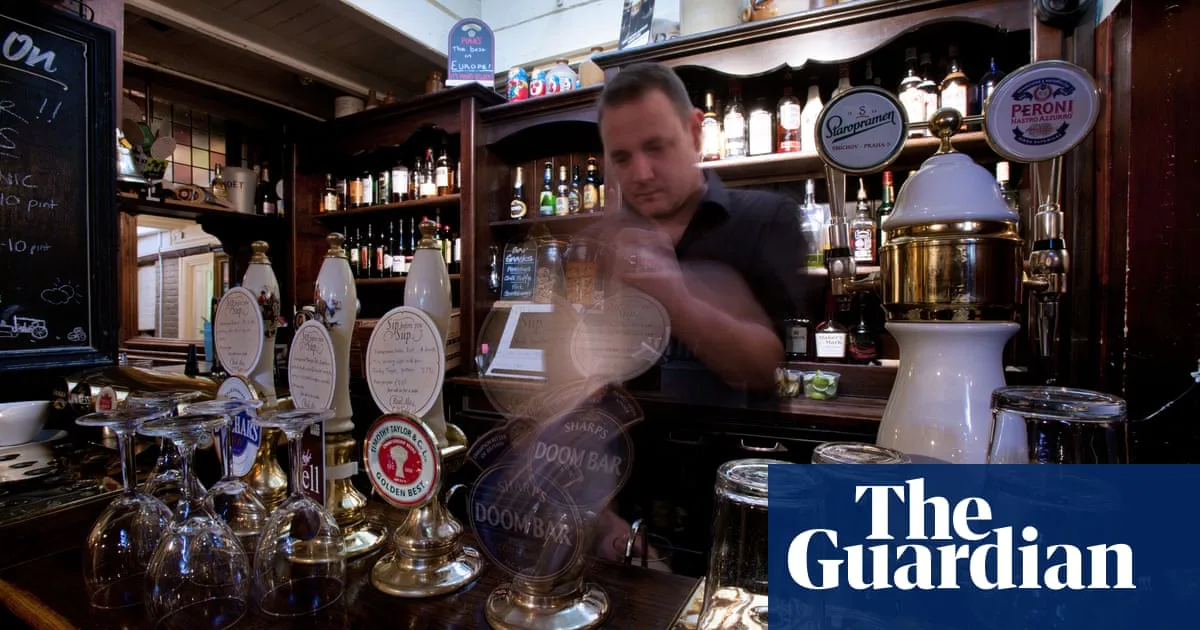
Drinkers across the United Kingdom are bracing for higher prices at bars, pubs, and supermarkets as a significant increase in alcohol duty comes into force this Sunday, 1 February 2026. The tax levied on alcoholic beverages will rise by 3.66 per cent, directly impacting producers who warn that these additional costs will inevitably be passed on to consumers through increased retail prices.

How the Duty Increase Will Affect Specific Drinks

Official figures reveal the precise impact on popular beverages. The duty on a standard 37.5 per cent alcohol by volume (ABV) bottle of gin will increase by 38p, bringing the total duty to £8.98 including VAT. Similarly, a 40 per cent ABV bottle of Scotch whisky will see its duty rise by 39p to reach £9.51. For wine drinkers, a bottle of 14.5 per cent ABV red wine will incur an additional 14p in duty.

The Wine and Spirit Trade Association (WSTA) has highlighted that since the new alcohol duty regime was introduced in August 2023, the duty on a 14.5 per cent red wine has now surged by a substantial £1.10 per bottle. This cumulative increase represents a significant burden for both producers and consumers in the current economic climate.

Industry Reaction and Broader Implications

Industry leaders have expressed deep concern about the timing and impact of this duty hike. Emma McClarkin, chief executive of the British Beer and Pub Association, stated: "These changes unfortunately increase the likelihood of further price rises, which no brewer or publican would want to inflict on their customers. For brewers, who already pay some of the highest rates of beer duty in Europe, this increase will add further strain to their already razor-thin profit margins."

Miles Beale, chief executive of the WSTA, offered sharp criticism of the government's approach: "Despite the OBR at last acknowledging higher prices lead to a decline in receipts, the Government fails to recognise that its own policy is benefiting no-one. For the nation's wine and spirit sector the complexities of price changes, especially for wine which is now taxed by strength, mean more red tape headaches ahead."

Braden Saunders, spokesperson for the UK Spirits Alliance and co-founder of Doghouse Distillery in Battersea, commented on the unfortunate timing: "The timing couldn't be more ironic. Just as dry January draws to a close and people contemplate their first hard-earned drink, they're met with higher prices at the bar. The spirits industry has been treated as a cash cow by consecutive governments, and the sector is on its knees."

Broader Context and Government Defence

The duty structure, which is partly linked to drink strength, underwent a major overhaul in 2023. This resulted in beer below 3.5 per cent ABV paying significantly less tax, prompting some brands like Foster's to reduce their strength to 3.4 per cent to mitigate duty costs. However, the latest increase will affect beer sold in both pubs and supermarkets, marking the first time pubs have been impacted since 2017.

Allen Simpson, chief executive of UKHospitality, echoed sector-wide concerns: "Hospitality businesses are facing price pressures at every turn and our sector's cost burden is growing at an unsustainable rate. Increases to alcohol duty, while not paid directly by operators, is another pressure if it is passed on to businesses through higher drinks prices."

A Treasury spokesman defended the policy, stating: "For too long the economy hasn't worked for working people, and cost-of-living pressures still bear down. That's why we are determined to help bring costs down for everyone. Alcohol duty plays an important role in ensuring public finances remain fair and strong and funds the public services people rely on every day."

The UK Spirits Alliance, representing hundreds of distillers, has urged the Chancellor to use an upcoming duty review to foster growth, address what they term "spirits discrimination," and establish a long-term strategy for the sector. With businesses facing multiple cost pressures including national insurance contributions, business rates, and waste packaging taxes, industry leaders maintain they have no choice but to increase prices to remain viable, ultimately passing these costs on to consumers.