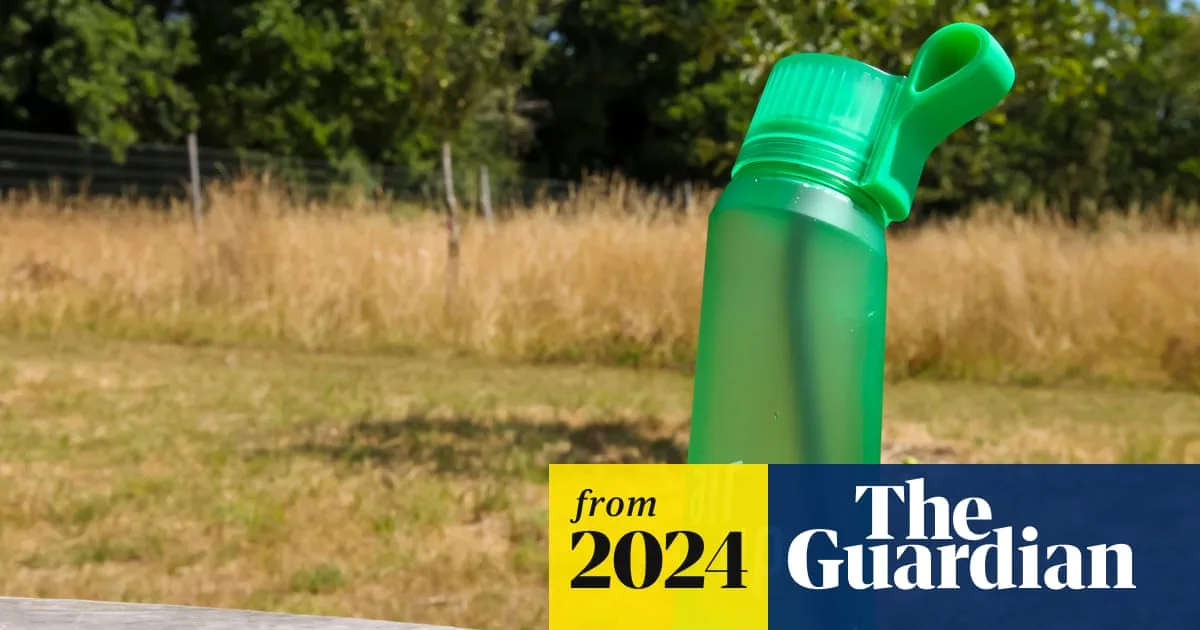
Air Up, a scent-flavoured water bottle that tricks the brain into tasting flavours like cola or fruit juice, has become the latest playground craze in the UK. Priced from around £30, the bottle is setting pressured parents back significantly more than typical reusable flasks, which can cost just a couple of pounds. However, proponents argue it may help children avoid sugary drinks.
Co-founded by Lena Jüngst while she was a student, Air Up launched in 2019 targeting health-conscious Gen Z and millennials. The brand went viral on TikTok and became available in the UK in 2021. Jüngst expressed surprise at its popularity among British schoolchildren, noting that 60% of UK consumers are now kids, driven by parents buying for their children.
The bottle uses circular pods containing natural aromas from fruits, herbs, and spices. When drinking from the straw, suction draws water and air through the pod, delivering scent that the brain interprets as flavour. The company claims about 80% of flavour perception comes from smell. Nearly 30 pod flavours are available, from lemon and blackcurrant to chocolate orange and iced coffee, costing roughly 33p per litre.
Air Up has seen rapid growth, turning over €200 million (£171 million) in 2023, up from nothing five years ago. Investors include PepsiCo and actor Ashton Kutcher. Despite competition from brands like Stanley and high-tech bottles, Jüngst insists Air Up is not a fad, emphasising its unique selling point of 'healthy flavour'.
Environmental charity City to Sea warns that while reusable bottles are positive, new product development can undermine refill and reuse principles by adding to consumption culture. Nonetheless, Air Up's popularity shows no sign of waning, with Jüngst hinting at more experimental flavours like bacon or summer rain.