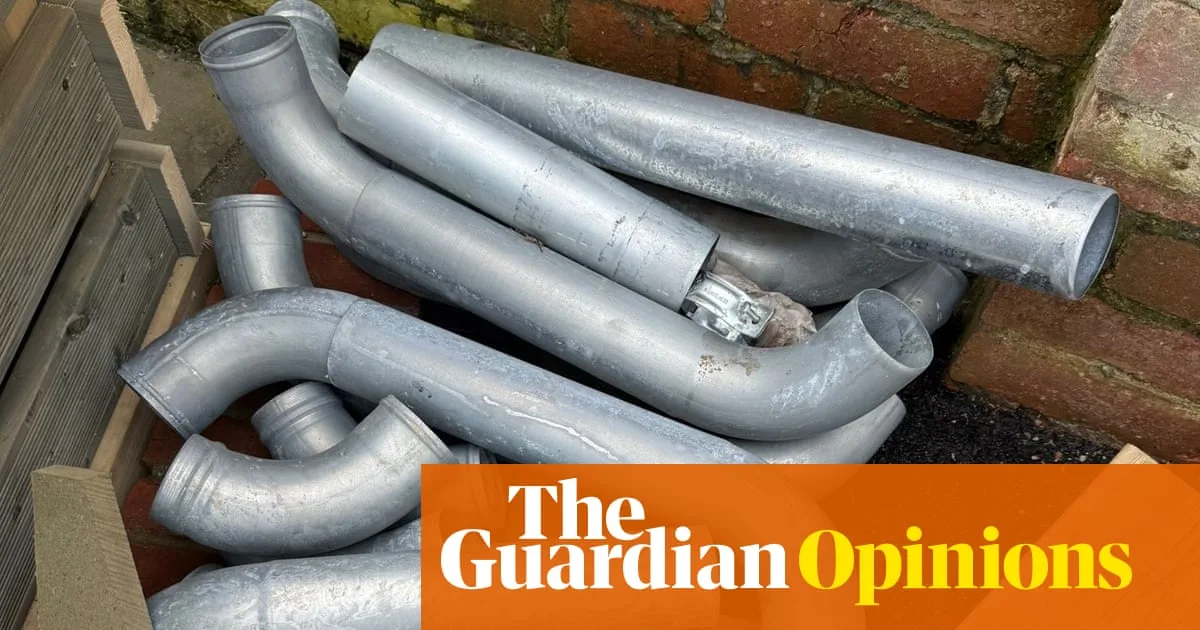
Adrian Chiles' Decluttering Dilemma: The Struggle to Give Away Unwanted Zinc Guttering
Adrian Chiles is on a mission to declutter his life, but he finds himself stuck in a paradoxical bind. He recently acquired a book titled Clutter's Last Stand, hoping it would guide him through the process. However, in a twist of irony, he promptly lost it amidst the very clutter he aimed to tackle. This sets the tone for his ongoing battle with excess possessions, where even attempts at organisation seem doomed to fail.
The Hoarding Habit and Its Consequences
Chiles admits to accumulating too much stuff over the years. This includes items he purchased unnecessarily, objects that have become obsolete or broken, and random bits and bobs scattered around his home. A prime example is some leftover zinc guttering from a renovation project. While not entirely his fault, it symbolises the broader issue: he feels compelled to keep things out of fear that discarding them will lead to regret. He believes that if he throws something away, it will inevitably become the very item he needs later, forcing him to repurchase it—a scenario he finds deeply annoying.
This tendency runs in the family. His mother, a dedicated hoarder, once saved the fringes from old postage stamps for years without a clear purpose. Her moment of glory came when she used them to cover a writing mistake made by Chiles' daughter, saving the day when Tipp-Ex had solidified. However, Chiles contrasts this with his own disorganisation, noting that while he might hoard similar items, he would never be able to locate them when needed. If you're going to be a hoarder, you'd better be organised, he reflects, acknowledging his own shortcomings in this area.
Seeking Professional Help and Environmental Concerns
In search of solutions, Chiles interviewed Dilly Carter, a professional organiser and chief declutterer on the TV show Sort Your Life Out. The programme involves clearing a cluttered home and displaying all possessions in an aircraft hangar to shock homeowners into action. Carter emphasises the calmness that decluttering can bring, a notion Chiles understands and desires. He longs to unburden himself of at least half his belongings but is held back by two key fears.
First, there's the anxiety that he might need discarded items in the future. Second, and more profoundly, he worries about the environmental impact of sending things to landfill. He references the Netflix documentary Buy Now! The Shopping Conspiracy, where former Unilever head Paul Polman pointed out that there is no such thing as "away" when we throw stuff out—it must end up somewhere. This resonates with Chiles, especially regarding clothing donations to charity shops, which often face space issues and can lead to waste, as seen in footage of clothes dumped off the coast of West Africa.
While Sort Your Life Out promotes reselling, donating, or recycling over binning, Chiles remains sceptical. He had a minor disagreement with Carter, who insisted that with enough effort, almost everything can find a home. Chiles concedes he may not have been trying hard enough, typically relying on council recycling or occasional trips to the dump.
The Guttering Saga: A Case Study in Futility
Determined to improve, Chiles focuses on the zinc guttering as a starting point. He considers selling it on eBay but deems that too ambitious for his novice online selling skills. Instead, he contacts the supplier used by his builder, offering to return the guttering for free, even delivering it himself. Despite his passionate plea—I JUST DON'T WANT TO THROW THE BLOODY STUFF AWAY—the supplier merely agrees it seems a waste and then ceases communication.
Undeterred, Chiles now keeps the guttering in the back of his car, where it clanks loudly as he drives. He likens himself to a miserable latter-day Willy Loman, not only failing to make a sale but unable even to give his wares away. This humorous yet poignant image underscores the broader themes of consumerism and waste that plague modern life.
Through his personal anecdotes, Chiles highlights the emotional and environmental costs of hoarding, urging readers to reflect on their own habits. His story serves as a cautionary tale about the mindlessness of accumulating possessions and the challenges of letting go, all while maintaining a light-hearted tone that makes the message relatable and engaging.