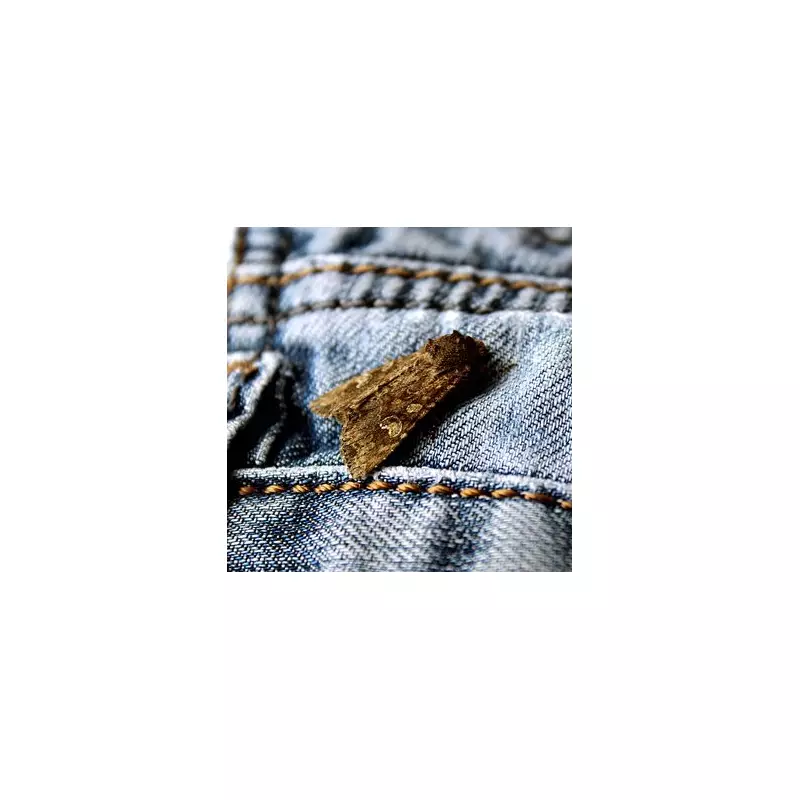
As winter sets in and central heating creates a cosy haven indoors, it also creates the perfect breeding ground for a common household pest: clothes moths. These insects can cause serious and often irreparable damage to carpets, clothing, and furniture.
The 64p Natural Solution Moths Despise
According to James Copley, director of Copley Pest Solutions, a simple and fragrant item can be your first line of defence. Moths have a strong aversion to the scent of lavender. Placing small lavender sachets in drawers and wardrobes is a highly effective, natural way to deter them from settling in.
These sachets can be purchased for as little as 64p each, offering a budget-friendly method to keep garments fresh and protected. James Copley also suggests creating homemade repellent sachets using mixtures of dried rosemary, thyme, cloves, and bay leaves.

For optimal protection, it's crucial to refresh these natural deterrents every few months as their scent fades. Unlike traditional chemical mothballs, they leave a pleasant aroma on your belongings.
Key Habits to Disrupt the Moth Lifecycle
Moths flourish in specific conditions, and disrupting their preferred environment is key to prevention. Clothes moths thrive in dark, undisturbed spaces where items may be stored for long periods, explains Copley.
He recommends a simple weekly habit: opening wardrobe and linen cupboard doors to allow fresh air to circulate. This reduces the stagnant, humid air that moths find appealing. Keeping these spaces well-ventilated makes them far less attractive to pests.
Essential Cleaning and Storage Strategies
Another powerful, yet often overlooked, tactic is regular and thorough vacuuming. Moths lay their eggs in dark, undisturbed areas like carpet edges, under furniture, and in wardrobe corners. Vacuuming these spots frequently can remove eggs before they ever hatch.
For seasonal clothing or items going into long-term storage, always clean and dry them completely first. Then, place them in sealed, airtight containers or bags. Avoid using cardboard boxes, as moths can easily chew through them to reach your valuables.
By combining these natural, low-cost methods with consistent household habits, you can effectively safeguard your home from a costly moth infestation throughout the colder months and beyond.