Condensation is a common problem in many homes during October, as colder nights and milder days create the right conditions for moisture to build up indoors. It often appears first on windows and sills, and if left unchecked, it can lead to damp patches, musty smells and even mould.
With energy bills and everyday costs still a concern, not everyone can afford a dehumidifier. Fortunately, there are several simple, budget-friendly steps to reduce indoor moisture and help banish condensation before it becomes a bigger household problem.
The Bicarbonate of Soda Trick
A hack circulating on TikTok claims that bicarbonate of soda can effectively eliminate condensation. Bicarbonate of soda is mildly hygroscopic, meaning it can take up water vapour. With slightly lower humidity in that immediate area, there is less moisture available to condense on the cold window surface.
Pick up some bicarbonate of soda from your local supermarket, which can cost as little as 59p. At home, add a few heaping spoonfuls to one or more small bowls, then cover each with a lightweight cloth so air can still get in but the powder is less likely to spill. Place the bowl on the windowsill or as close to the window as possible, where condensation is worst. Check it regularly – if the powder begins to clump together, it has absorbed moisture from the air, and you will need to replace it with fresh bicarbonate of soda.
Even better, it can neutralise musty odours, which often accompany condensation and damp. However, keep in mind that this works best in smaller spaces. If the room is large or you are generating a lot of steam from cooking, showering, or drying clothes indoors, a bowl is unlikely to make a noticeable difference.
Five Ways to Stop Condensation Without a Dehumidifier
1) Ventilate Little and Often
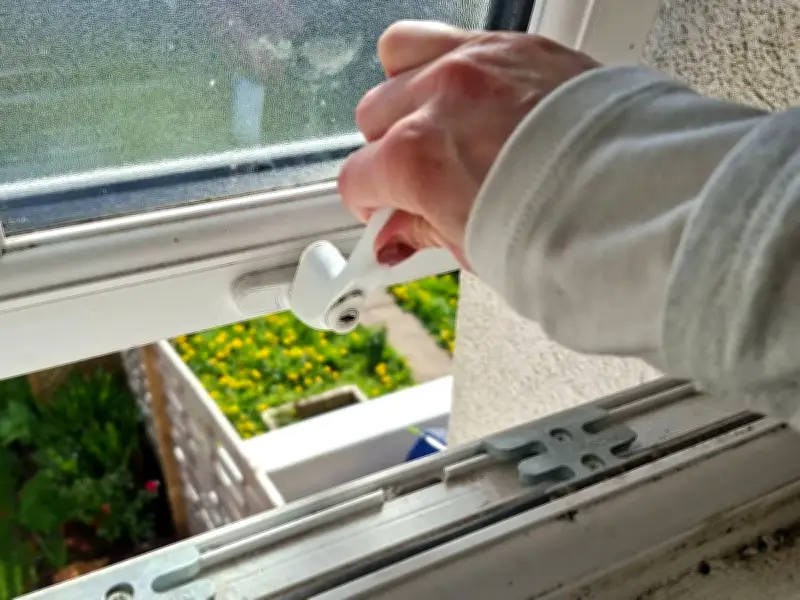
“Purge ventilate” for 5–10 minutes in the morning and evening by opening a couple of windows to quickly swap humid indoor air for drier outdoor air. It is also a good idea to create a quick cross-breeze (front to back or between different sides of the home) if possible. If it is too cold to fully open windows, crack them slightly for a shorter period, especially after showers or cooking.
2) Cut Moisture at the Source
In the kitchen, put lids on pans to minimise steam and use an extractor hood while cooking if possible – or open a window if not. In the bathroom, keep the door shut while showering or bathing to stop moist air spreading around your home. When you are done, crack open a window or run an extractor fan. When drying laundry, avoid putting items on radiators, as they release a lot of moisture into the air. If you must dry indoors, use one room, keep the door closed, crack a window, and keep the air moving.
3) Keep the Home at a Steadier Temperature
Condensation occurs when warm, moist air comes into contact with a colder surface (such as glass). Where you can, aim for consistent background warmth rather than heating on and off in big bursts.
4) Improve Airflow Around Windows
Don’t let curtains sit tightly against the glass because it traps warm, damp air in a pocket where it condenses. Instead, keep your blinds and curtains slightly open at night or ensure they do not seal against the window. It is also a good idea to move furniture away from external walls to leave a gap for air circulation.
5) Wipe Down Glass and Sills
Use a microfibre cloth or squeegee to remove water from the glass each morning. Take the time to dry the frames and corners too – as water left sitting there can lead to mould and damaged paintwork. Don’t leave wet cloths indoors to dry in the same room; wring them out and dry them properly to prevent exacerbating any damp issues.