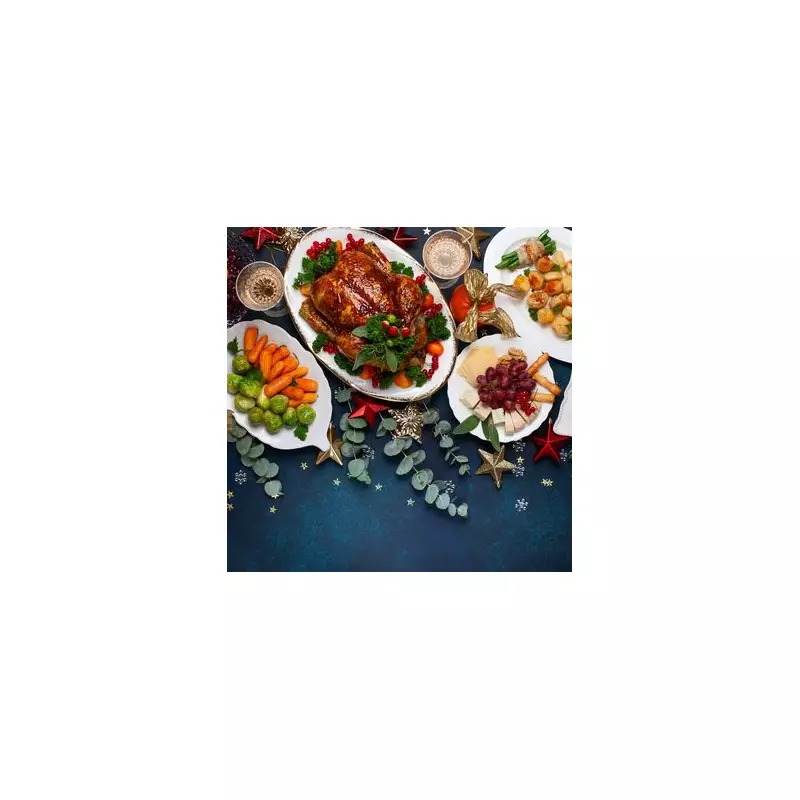
A staggering number of Brussels sprouts are destined for the bin this festive season, as new research exposes the scale of Christmas food waste in British households.
The Scale of Festive Waste
The study, commissioned by the surplus food marketplace Too Good To Go, predicts a shocking 50 million individual Brussels sprouts will be thrown away after Christmas Day. A poll of 2,000 adults found that 15% of people expect to discard the vegetable, with each person typically binning around seven sprouts.
The reasons for the sprout's unpopularity are varied. A quarter of those surveyed blame a lifelong dislike formed in childhood, while 16% simply don't like the look of them. Despite the grumbles, 67% believe people complain about sprouts but buy them anyway, highlighting a festive tradition of waste.

Why We Overbuy at Christmas
The problem extends far beyond sprouts. The research, conducted by OnePoll.com in December 2025, reveals that 56% of Brits openly admit to over-purchasing specific items for their Christmas dinner. The primary driver is a desire to ensure there is enough for everyone, cited by 56% of frequent over-buyers.
Other key reasons include a fear of running out of essentials (37%), a tendency to overestimate how much guests will eat (32%), and being tempted by special offers (20%). This culture of "just in case" purchasing makes overbuying one of the biggest contributors to household food waste during the holidays.
Following sprouts, the items most likely to be wasted are gravy and broccoli, both tipped for the bin by 10% of respondents. Nearly a quarter also confessed to buying a Christmas cake annually, even if they doubt anyone will eat it.
Combating Waste with Planning and Creativity
There is a clear appetite for change. A significant 74% feel they should buy less food for future events after over-catering, though 13% lack confidence in their ability to estimate portions correctly.
Many households are already taking positive steps. 53% repurpose leftovers into sandwiches or wraps, and 36% use them to create soups and stews. A spokesperson for Too Good To Go emphasised the importance of forward planning and creativity.
"Being creative with leftovers is a fantastic way to use up things that didn't get eaten on December 25th," they said. "If you're smart with your shopping habits, plan things ahead of time and make sure you've made room in your freezer, you can pretty much carry on eating your Christmas dinner until Easter."
They also highlighted the opportunity for community sharing: "Leftovers from Christmas are also a great opportunity to share with friends and family or even those in your community who might be in need."
The core advice for a more sustainable Christmas is simple: plan meals ahead, be realistic about what will be eaten, and find inventive ways to give every ingredient a second life.