
A major government review of Personal Independence Payment (PIP) has recommended targeting benefits for conditions including anxiety, low mood, mild depression, and ADHD, warning the system needs “fundamental change” to become “financially sustainable”. The interim report, led by Labour MP Sir Stephen Timms, was published on Thursday and has sparked immediate political debate over the rising cost of disability benefits.
Spending Soars as Claims Double
Spending on PIP stood at around £15 billion in 2019/20, rose to roughly £26 billion by 2024/25, and is forecast to exceed £41 billion by the end of the decade, according to the report. The number of claimants has doubled from 2.05 million in January 2019 to 4.01 million in April 2026, with the fastest growth among those with mental health and neurodevelopmental conditions.
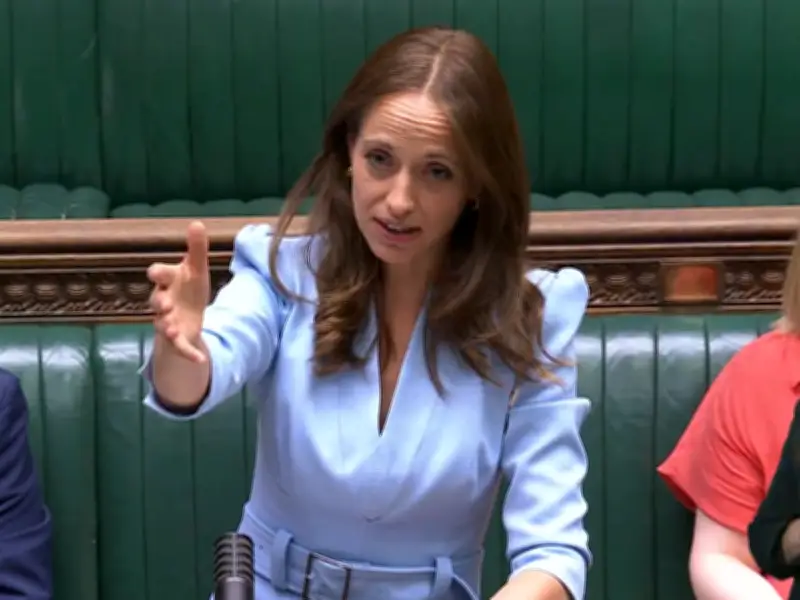
Shadow Work and Pensions Secretary Helen Whately called for urgent action, saying: “There are certain conditions for which we’re seeing a very rapid increase in people claiming PIP – most specifically anxiety, low mood, mild depression and ADHD – where it cannot make sense for this amount of money to be going out in benefits.” She accused some claimants of “gaming the system” by using AI and social media to identify how to claim benefits they should not be entitled to.
Sharp Rise in Autism and ADHD Claims
The number of claimants with autistic spectrum disorders has more than doubled in six years, from 103,414 in April 2020 to 258,539. Those with mixed anxiety and depressive disorders rose from 214,119 to 435,330, while ADHD/ADD claimants nearly quadrupled from 28,740 to 100,207. The report noted that demographics “do not obviously explain the trends in mental health and neurodevelopmental conditions”.
Sir Stephen Timms told the BBC’s Today programme that the system “hasn’t kept up with our changing understanding of disability and ill health over the 13 years since it was first introduced, so we do think fundamental change is needed”. He stressed that the review must ensure “financial sustainability”, adding: “What would be a concern would be if it carried on going up forever more, and that we have to address.”
Claimants Fear Losing Benefits if They Work
The review found that many PIP claimants are scared to participate in work or physical activities because they worry the DWP will see it as evidence of improvement and remove their benefit. Sir Stephen said: “For many people, PIP has become a barrier to participation, which is the opposite of what’s intended.”
Feedback from nearly 40,000 people and organisations revealed that more than 90% described negative experiences of the claiming process, with terms like “dehumanising”, “soul destroying”, and “degrading” commonly used. The report concluded that “while PIP is widely valued as a benefit, it is no longer fit for purpose”.
Political Reactions and Charity Concerns
Conservative shadow work and pensions secretary Helen Whately accused Labour of being “in denial about the seriousness of the situation” and launched a separate Conservative review of the sickness benefit system. She declined to back means-testing but said the Tories are examining who should get benefits, how to assess people, and whether support should sometimes be in kind rather than cash.
Charities urged caution. Rethink Mental Illness agreed that “radical reform is needed” but said it must “focus on building a fairer, more compassionate system, rather than resorting to harsher sanctions”. The MS Society called for a system that “acknowledges invisible and fluctuating symptoms”. Mencap’s chief executive Jon Sparkes welcomed the review’s engagement with disability campaigners, saying recommendations must “not harm disabled people”.
Demographic Shifts Among Claimants
Teenagers and young adults now account for 16.6% of claimants, up from 14.3% in April 2020. The 30-44 age group rose from 18.7% to 20.9%, while the 45-59 share fell from 36.0% to 28.9%. The proportion of claimants aged 60-74 remained stable at around 31%.
Sir Stephen said his team’s terms of reference require them to “stick within the currently projected envelope for spending on PIP”, but do not require savings. He added: “Financial sustainability of the system is a concern. We want the vital support that PIP provides to be there for the long term, and it won’t be if it gets more and more expensive inexorably.” The final report is due this autumn.




