
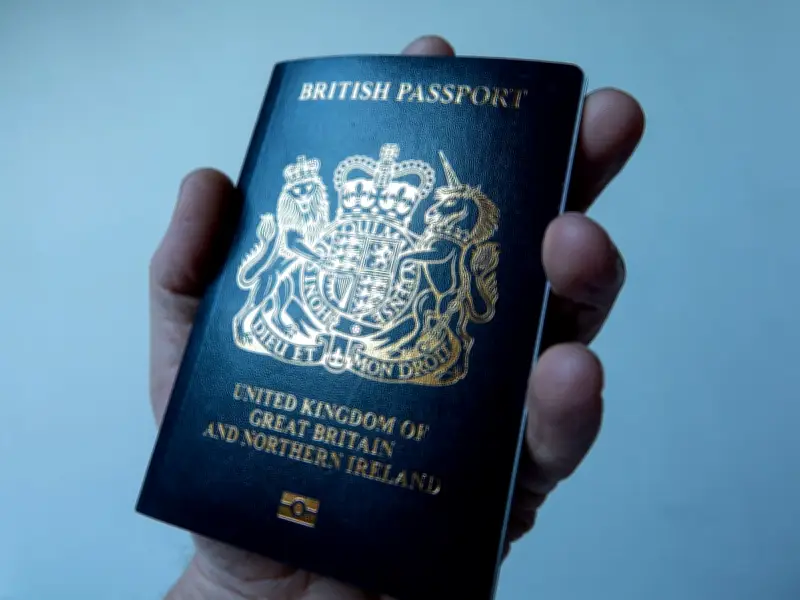
Thousands of British families are preparing for the six-week summer holiday, but a travel insurance specialist warns that a simple passport check could prevent being refused entry to Europe. The alert focuses on the '10-year passport rule' affecting the Schengen area, which includes France, Spain, Italy, Greece, and Portugal.
The 10-Year Passport Rule Explained
New analysis from Saga Travel Insurance found that the EU and Schengen '10-year passport rule' was the most discussed passport concern on Reddit, amassing 35,417 upvotes. The rule requires passports to be less than 10 years old on the day of entry. While all new passports last exactly ten years, passports issued before 2018 remain valid for 10 years and nine months. Michelle Cooper, Director of Saga Travel Insurance, said: "If you have an older passport, make sure you check both the issue date and expiry date before travelling to avoid problems at the border." Passengers with these passports may face issues if they are in the final nine months of validity.
Widespread Unawareness Among Holidaymakers
Saga's survey revealed that more than three-quarters (80%) of holidaymakers are unaware that different countries have different passport validity requirements. Half (50%) believe every country requires six months remaining on a passport. Cooper added: "It's important to check the specific rules of the country you're travelling to. Some destinations require three months remaining, others six months. If you travel without enough time, you could be denied entry by your airline or border security, and travel insurance is unlikely to cover costs."
Blank Pages and Frequent Travellers
Some countries require a minimum number of blank passport pages for stamps and visas. Cooper noted: "People can focus entirely on expiry dates and forget blank pages. If you're a frequent traveller, regularly check how many blank pages you have. You might benefit from a passport with additional pages." Though digital systems like the EU's Entry/Exit System (EES) are rolling out, physical stamping still varies.
Lost Passport and Emergency Procedures
One in 20 (5%) Brits have needed an emergency replacement passport, and one in 25 (4%) have cancelled a holiday due to a lost passport. Cooper advises: "If you lose your passport before travelling, apply for a one-week fast-track application. It costs £76 more than a standard passport but ensures you can still go on holiday. If lost abroad, report it to HM Passport Office and apply for an emergency travel document online for £125. Travel insurance may help with some costs depending on your policy."
New ETIAS Requirements from Late 2026
From late 2026, British travellers visiting most European countries will need an ETIAS authorisation before travel. This system, similar to the UK's ETA, applies to short stays of up to 90 days in 180 days. Cooper warned: "Travellers may not realise visiting Europe will soon involve an additional pre-travel step. ETIAS is linked to your passport, so mismatched details or expired authorisation could lead to denied boarding. Most applications are processed within minutes, but apply well in advance. As with passport rules, travellers are responsible for correct authorisation; travel insurance won't cover denied boarding or cancelled trips."




