
The Department for Work and Pensions (DWP) has responded to calls for means-testing Personal Independence Payments (PIP) as the Timms Review interim report is expected tomorrow, July 8. PIP, which helps people aged 16 to state pension age with extra costs of long-term health conditions or disabilities, is currently non-means tested and tax-free. Claimant numbers have reached 4 million, doubling since 2019, with 83% of working age.
Timms Review Interim Report Due Before Summer Recess
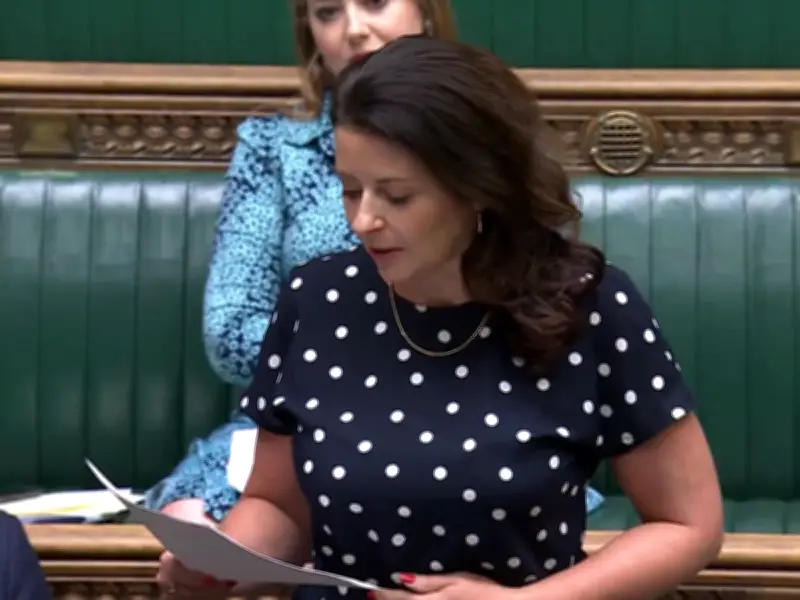
The Timms Review, led by Minister of State for Social Security and Disability Sir Stephen Timms, aims to ensure PIP is fair and fit for the future. An interim report is due before the summer recess on July 17, with a final report by year-end. Conservative MP Joy Morrissey asked if the government would assess means-testing PIP for targeted support. Sir Stephen Timms responded: “The purpose of the Timms Review is to ensure PIP is fair and fit for the future. As set out in the Terms of Reference for the Review, this government is committed to ensuring that PIP is a non-means tested cash benefit which is there for people in and out of work, now and into the future, because anyone can be impacted by a long-term condition or disability.”
Rising Costs and Claimant Numbers Under Scrutiny
The Work and Pensions Committee questioned Secretary of State for Work and Pensions Pat McFadden on the plans, noting PIP policy could cost an extra £3.9 billion. However, around half of the rise in claimants may be due to factors like the rising state pension age and transitions from legacy benefits to Universal Credit. McFadden confirmed the review’s terms of reference signal not to propose a “big, increasing cost package.” He noted a significant increase in claims related to anxiety, depression, and neurodiverse conditions, asking reviewers to consider if the benefit’s design effectively deals with modern health challenges.
Potential for Spending Cuts
McFadden said there is “nothing to stop” the review from recommending reforms that cut spending on PIP. He stated: “What we were saying in the terms of reference was we were sending a signal to the reviewers not to come forward with a big increase in cost package. There’s nothing to stop them coming forward with measures that reduce costs, but we didn’t want them to come forward with a review that simply said, ‘let’s pay much more into the system.’” He emphasized the critical question of whether PIP is fit for purpose given the changing conditions, such as anxiety, depression, and neurodiverse conditions.
Political Debate Over Welfare Spending
Conservative MP Peter Bedford highlighted that the Office for Budget Responsibility projects welfare spending to reach £400 billion by 2030, up from £314 billion, with health and disability spending topping £83 billion next year, exceeding defence spending. He questioned the absence of a welfare reform Bill in the King’s Speech. Liberal Democrat MP John Milne countered that welfare spending as a percentage of GDP is about where it was under Margaret Thatcher, and that about half the rise in PIP claimants is due to the rising state pension age and other factors. He urged the government to present a balanced view of statistics to avoid policy overreach. McFadden declined to offer reassurance, noting that the proportion of GDP spent on social security had risen by about one percentage point over six or seven years, which he called “quite significant.”




