
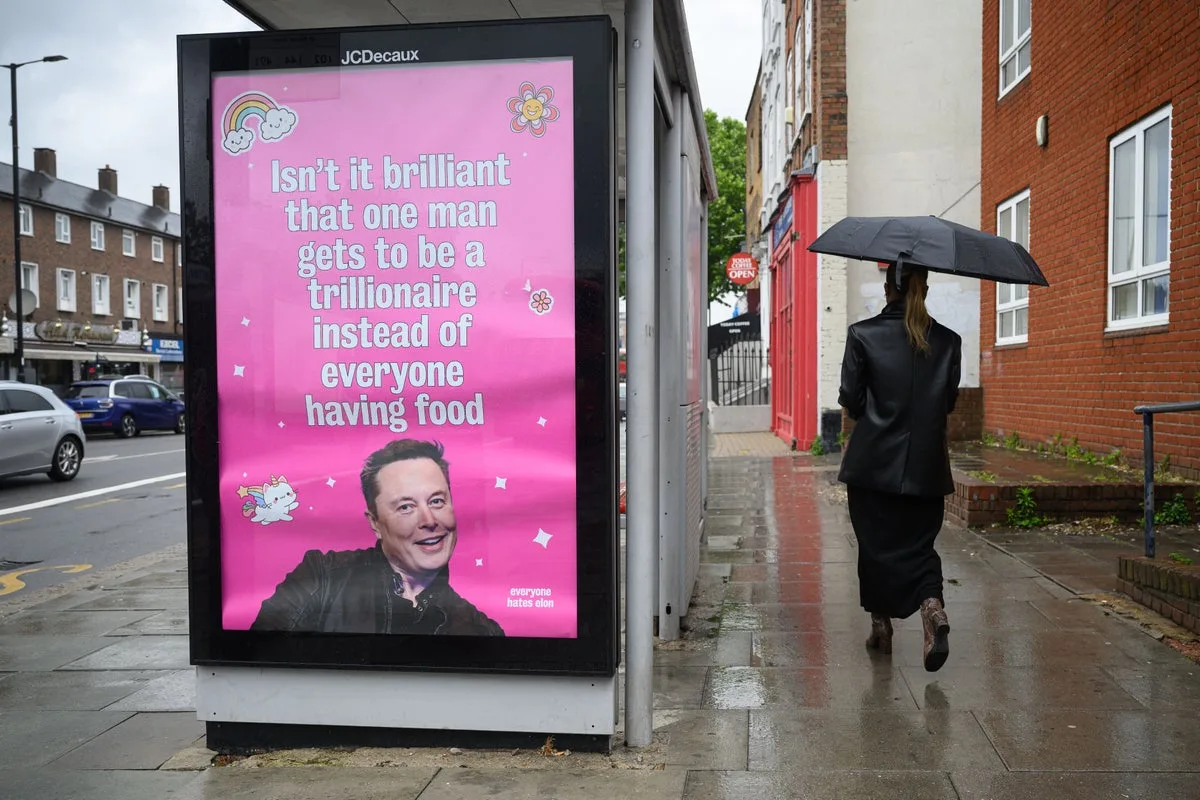
Elon Musk's SpaceX has gone public in the largest initial stock offering in US history, raising over $85 billion and making Musk the world's first trillionaire. The IPO turned even cafeteria workers into millionaires, but critics warn that such extreme wealth concentration threatens democracy.
Musk's empire now spans X, Starlink, Tesla, xAI, and SpaceX, giving him unprecedented control over communication, internet infrastructure, AI, and space settlement. His wealth and power have grown despite SpaceX reportedly losing nearly $5 billion last year, highlighting a disconnect from traditional economics.
Musk spent almost $300 million backing Donald Trump and the GOP in the 2024 election, and through DOGE, he gained temporary control over federal budget cuts. Economist Gabriel Zucman argues that extreme wealth is always extreme power, stifling competition, shaping discourse, and influencing policy.
Defenders point to Musk's contributions, such as decarbonisation and internet access for the poor. However, the central question remains: can democracy survive when one individual holds such vast power?




