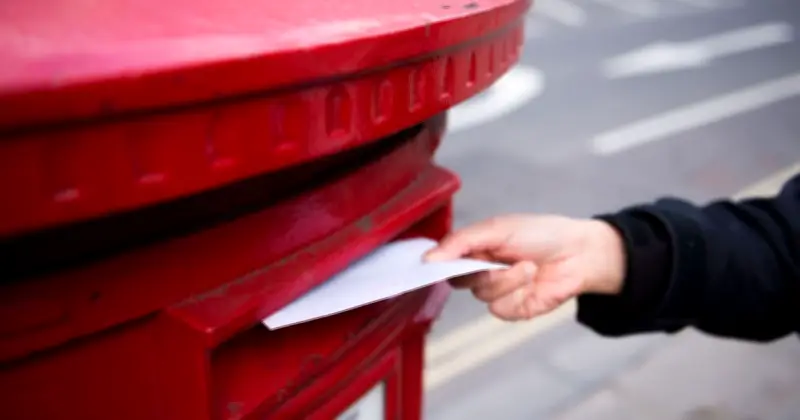
Royal Mail has issued a reminder to customers who write addresses by hand on letters and parcels, warning that the way an address is written can make a difference when an item is being sorted and delivered. For people still reaching for a pen before posting a birthday card, letter or parcel, Royal Mail says keeping the address clear and easy to read is essential.
Key Tips for Handwritten Addresses
Its guidance states: "Use clear and easy to read handwriting (or font if you are printing the address)." Customers are also advised to make sure the ink stands out clearly against the envelope or parcel. Clear handwriting can help postal workers and sorting machines process mail correctly.
While Royal Mail does not prohibit customers from using a particular colour of pen, pale or faint writing can be difficult to read. Black ink is generally the safest option, particularly when used on a white label or light-coloured envelope. Royal Mail says: "It's important that the address shows up against the colour of your envelope." It suggests using a white label with black ink where necessary.
Placement and Formatting Rules
The advice is particularly important because addresses need to be readable throughout the handling process, rather than simply looking clear when the item is first posted. Pens that smear or leave faint marks can therefore cause problems if the writing becomes blurred.
There are also rules about where the address should go. It should be positioned on the bottom left-hand side of the front of an envelope or parcel, with the postage placed in the top right corner. The address should be left aligned, rather than centred or written in a stepped pattern. Royal Mail also recommends leaving a reasonable amount of space around the address.
Another detail customers may overlook is punctuation. Royal Mail's preferred format does not use commas or full stops within the address.
Address Structure and Postcode
The recipient's name should appear first, followed by the property number and street name. If a property has a name rather than a number, this can be included as part of the address. The local area or village can then be added, followed by the town. Royal Mail recommends writing the town in capital letters. A county does not have to be included for UK mail, meaning customers can leave it out without affecting delivery.
The postcode should appear on the final line and should be written in capital letters. Royal Mail also advises customers to include a postcode whenever possible. "Write the address clearly on the front, following our guidelines, and always include a postcode if possible," the company says.
For international mail, the destination country should be placed on the final line and written in capital letters. Customers who are unsure of a postcode can use Royal Mail's online Postcode Finder to check the details before posting their item.
The guidance does not mean people need to stop handwriting addresses. Instead, taking a few extra seconds to make the writing legible, use a strong contrasting ink and follow the recommended layout can help make sure an item is easier to process. For anyone using a dark, brightly coloured or patterned envelope, a plain white address label with black writing can provide a much clearer surface for the address.