
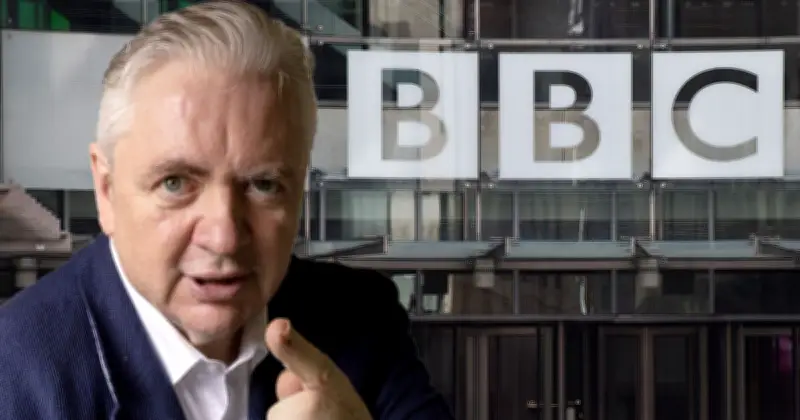
The publication of the BBC’s annual report this week led to the usual condemnation of overpaid stars and the injustice of licence fee payers being forced, on the pain of a £1,000 fine, to bankroll this expensive racket. Many of the salaries paid to celebrities are certainly outrageous. Why did anyone think it right to pay £750,000 a year to radio presenter Scott Mills, now sacked over allegations about his private life? Similarly, is political host Laura Kuenssberg really worth £409,000, or is banal football commentator Alan Shearer worth £394,000?
The hidden management bloat
But critics should focus on another target – the vast largesse that is swallowed up by the sprawling managerial hierarchy. The corporation continually bleats about its dire finances, yet, having read the annual report, I counted no fewer than 129 management posts paying more than £178,000. These include six human resources directors and a chief people officer (£370,000), a director of workplace (£205,000), a director of corporate development (£265,000), a director of policy and public affairs (£209,000), a director of internal communications (also on £209,000), six senior heads of commissioning, and three heads of sport.
This structure is a sure recipe for chronic waste, duplication, navel-gazing and an addiction to useless meetings, which is a perfect description of the Beeb. This self-indulgent approach is only possible because of the licence fee. But such a funding model is hopelessly anachronistic in our age of online entertainment and mobile technology.
Political parallels and despair
In the wake of England’s painful defeat by Argentina, I have not felt so despondent about the outcome of a football match since the Germans beat us on penalties at Italia '90. At times like this, I am reminded of the words of John Cleese’s accident-prone character in the classic 1986 British film Clockwise: “It’s not the despair. I can stand the despair. It’s the hope.”
As Andy Burnham prepares to become prime minister next week, expectations within the Labour Party are ridiculously high. There seems to be little recognition that he inherits all the same problems that brought down Keir Starmer: excessive debts, soaring welfare bills, neglected armed forces, excessively expensive energy and social cohesion buckling under the pressure of mass immigration.
It is worth noting that exactly 10 years ago this week, Theresa May became prime minister, sailing into Downing Street on a similar wave of high expectations. She was widely seen as tough, reliable, determined and astute, but she turned out to be a disaster. Paralysed by indecision, she almost allowed Brexit to be overthrown and Jeremy Corbyn into No 10. Who’s to say that the King of the North will not prove equally calamitous, especially given that – like May in 2016 – he has not faced the scrutiny of a proper leadership contest.
Epidemic of wastefulness
Chaired by Baroness Heather Hallett who has reportedly been paid £1.08million for the task, the official Covid Inquiry continues on its lumbering way, using a huge amount of public money to tell us what we already know. This week we had another bulletin from the Department of the Bleedin’ Obvious, in the form of a lengthy document about the £10billion wasted on the botched purchase of Personal Protective Equipment. But that subject has already been extensively covered, and the inquiry had nothing new to say beyond a list of proposed nitpicking regulatory changes. Altogether, this lawyerly pantomime will cost over £200million, with a further £100million spent on documentation – another depressing example of Covid waste.




