
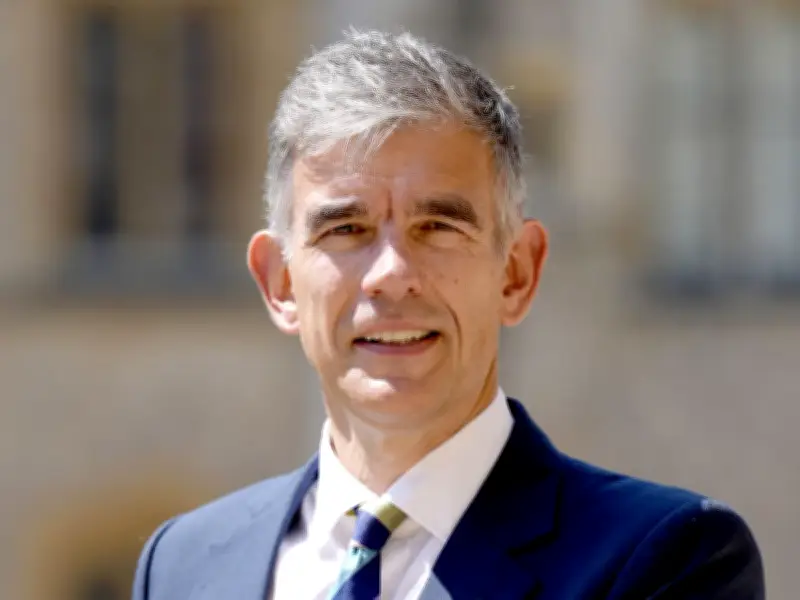
BBC director-general Matt Brittin has declared that the TV licence fee is 'no longer fit for purpose' and 'holds back' the corporation, signalling a potential end to the decades-old funding model. Appearing before the Culture, Media and Sport Select Committee on Wednesday, Brittin said the BBC is 'locked into yesterday’s model of consumption' and needs a new mechanism for funding as part of the charter review.
Brittin Calls for Funding Overhaul
Brittin, who succeeded Tim Davie as head of the BBC almost seven weeks ago, told MPs that the licence fee is 'payable on linear television and iPlayer when the world’s moved on.' He argued that consumers are living in 'today’s world – or tomorrow’s world today' and that the BBC must adapt. The standard TV licence costs £180 per year and is legally required to watch or record live television on any channel or service, or to use BBC iPlayer.
'The BBC is held back by that straitjacket of the current licence fee mechanic, and obviously that’s no longer fit for purpose,' Brittin said. He emphasised the need for 'universal, sustainable, and scale funding' to ensure the BBC's independence and future.
Commercial Advertising and Subscription Models Considered
Brittin ruled out commercial advertising as a replacement, warning it would 'take it away from others' and have a 'devastating impact on the economy.' However, he described a subscription model, similar to Netflix or Disney+, as 'compelling in terms of extending (the licence fee scope) to reflect the reality of today’s audiences.'
The BBC has faced declining relevance as viewing habits shift towards on-demand streaming. The licence fee has been controversial, with critics arguing it is outdated. Brittin acknowledged the BBC is making progress but said 'it needs to go further' and is 'held back' by the current system.
Job Cuts and Restructuring
Brittin also addressed the 'emails of doom' sent to staff earlier this year when the BBC announced plans to cut 2,000 jobs as part of a 10% cost reduction over three years. Last month, the corporation announced 550 job cuts in news, nations, and TV and radio content as the first stage of its savings plan.
'I came in with the need to save 10% of cost already announced, and I’ve been working with the team when we made the first set of announcements. There will be more to come about how that restructuring happens,' Brittin said. He outlined his dual role: to operate within the current budget while arguing for a better funding solution and reshaping the BBC for the future.
Brittin on Scrutiny and Independence
When asked whether he would 'play it safe' as director-general, especially during controversies, Brittin responded: 'I think no programme or presenter is bigger than the corporation, particularly a corporation that is funded by the public, and that’s why I think the bar is rightly high for the BBC.' He acknowledged the high level of scrutiny, sometimes polarised from those with commercial interests, but accepted the responsibility, saying he came into the role 'with my eyes wide open.'




