
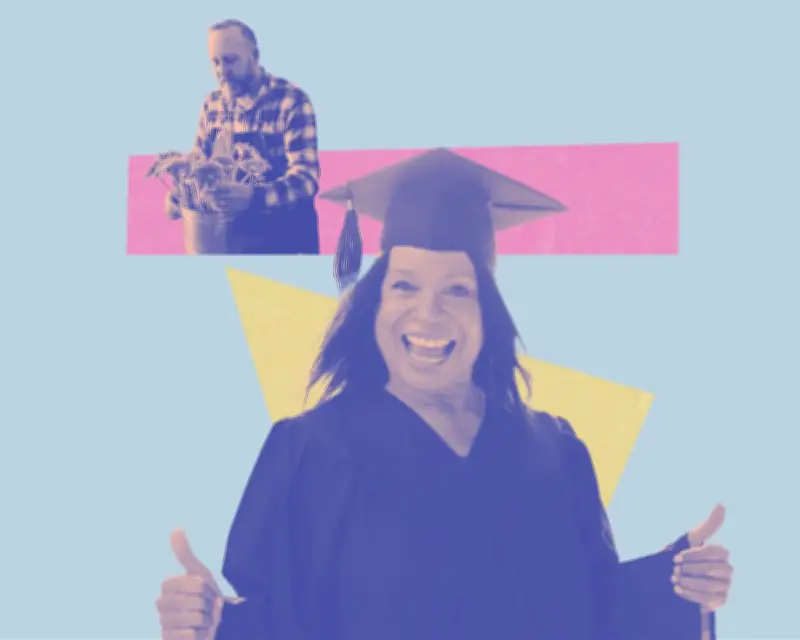
Many people feel stuck in a job they dislike, and midlife is a common time to reassess what to do with the remaining years, especially as finances often require working into older age. Late bloomers from various fields share their secrets to making a change, following dreams, and achieving a stunning second act.
Be Honest with Yourself
The first stage of the process is accepting what you want to achieve. Fiona Leitch, 56, from Great Yarmouth, dreamed of becoming a screenwriter. At age 48, she reworked a script into her first novel, Dead in Venice, which was picked up by Audible in 2017. She has since published her 10th Cornish cosy mystery novel with HarperCollins. To realise your ambitions, she says, you first have to “admit to yourself that is what you want to do.”
Don’t Tell Anybody
Nola Bliss, 77, from York in Western Australia, found success in her 70s as a standup comedian, performing to crowds of 500 and winning her state’s Next Gen comedy competition in 2025. “I call myself professional because I have been paid, but it wouldn’t be enough to keep a flea alive,” she says. She has a “huge fan club of boys in their 20s and 30s” who call her their “naughty auntie.” Bliss emphasises keeping your plan secret: “Don’t tell anybody what you’re going to do, because they’ll try and tell you that you can’t. Just get on and do it.”
Follow Your Dreams
“Feel the fear and do it anyway,” says Bliss. “What’s the worst that can happen? You find you don’t like it and you stop? But at least you won’t die thinking: ‘I wish I’d done that.’” Lisbeth Dreyer, a flower farmer and florist in her 60s from Aurland, Norway, notes that with age comes perspective: “You know that it all goes into the river of life and life keeps going.” Steven Taylor, 73, recently completed a PhD, a goal from his 20s. He credits neuroplasticity: “Continuing to develop your cognitive capacity when you’re older – I think that’s what really worked for me.”
Aim High
If your second act isn’t obvious, look for something you’re good at or interested in, says Bliss, who first tried comedy in her 50s after a writing class. When you know what to do, go big: “If you want to take up knitting, knit something large – not a pair of booties.” Leitch agrees: “You’ve got to find something you’re passionate about. If you enjoy pottering around the garden, you might want to do a course on garden design or horticulture.” Then think about turning it into a career.
Regret Nothing
“I have no regrets,” says Shashi Aggarwal, who established the successful Spice Kitchen business in her 70s after years of running shops with her husband. “I was itching to do something myself. I don’t think if I had started earlier I would have achieved any more. People say I am mad to be working at 75, but I enjoy every bit of what I do.” Bliss adds: “Even the things that maybe I shouldn’t have done, I don’t regret, because they’ve made me who I am now. It is all part of the tapestry.”
Draw on What You Have Learned
Life experience helps in writing, says Leitch: “It’s like you’ve done research without even doing research. You know a bit more about the world and how people work.” Taylor, who returned to university in his mid-60s, felt his experience marked him out and that he was “intellectually very curious, because I’d been starved of that stuff for 40 years.” Bliss uses her age for comedy material, joking about dating apps like “Tinder Dry” and “Grumble,” and says being older allows her to say “some quite rude things.”
Don’t Panic
Responsibilities may delay aspirations, but it won’t last forever, says Leitch. When she had her son in 2003, she stopped writing completely. She worked part-time jobs as a cleaner and in a contact lens factory until her son was about 10, when she got back into writing regularly, leading to her dreams becoming reality.
And Don’t Hold Back
Leitch initially thought writing would remain a hobby, but a positive mindset helped her persevere. “If you are good at something, admit to yourself you are good at it, and you need to carry on going. But on top of that, there was an element of luck in getting it in front of the right people at the right time. You have just got to keep working at it and look out for opportunities.”
Keep It Simple
“Sometimes a simple idea can be a very successful business,” says Aggarwal. Her son suggested she sell the spice mixes she made at home. She got her first order on eBay on Boxing Day; her products are now stocked in 600 shops across the UK. “You could try your idea, start small, then gradually it might grow bigger. If you don’t try, you’ll never know.” Dreyer adds: “I think some people are scared of it. I’ve freelanced a lot and it is the most fun thing in the world to find your market, find your customers.”
Don’t Feel Your Age
“I don’t really do age,” says Taylor. His PhD involved researching underground clubs and “dancing until 4.30am fuelled by nothing more than a couple of espresso martinis.” He has written a book, Ageing Radically, suggesting how to approach later years constructively. He notes that idealised retirement is fading: “Kicking back, making jam and going on cruises is becoming less realistic. If you can get some stability, the second half of life is not necessarily about making more money or having a bigger house.” Aggarwal works on her own schedule: “I work when I want to work. That is the advantage of having your own business.”
Remember, You Only Live Once
“People should remind themselves that they only have one life,” says Dreyer. “If there is something you want to do, you should try it. I think people feel bad inside if they don’t try. If it doesn’t work, at least you tried. It is easier to live with it if you try.” Bliss concludes: “Age is a state of mind. A second career will keep you alive, keep you young, keep you interesting.”




