UK households are being urged to bleed their radiators before Friday, as new data reveals when Brits typically switch their heating back on for the first time. The advice comes as temperatures drop and the energy price cap rise, which took effect on October 1, pushes up costs.
October 16 is the average switch-on date
Research commissioned by energy company Calor shows that October 16 is the average date households turn their heating back on, but one in five (20%) do nothing to prepare beforehand. Meanwhile, 22% delay switching it on for as long as possible due to cost.
The research also reveals a two-week regional divide. Households in Scotland tend to switch their heating back on the earliest, on average on October 8, while those in the South East wait until October 22.
Why bleeding radiators matters
Bleeding radiators is one way to prepare your home for winter. Failing to do so could make your heating system less efficient, meaning you'll spend more time and money heating your home. With the energy price cap rise, bleeding radiators is one of the ways to offset this cost increase.
Ofgem said the price cap will rise by £60 per year – or £5 per month – for the average household using both electricity and gas if this level were sustained for a year. The increase largely comes down to the increased wholesale price of gas due to the war in the Middle East.
How to bleed radiators and other checks
Radiators should be bled every few months, EDF Energy advises, while other experts recommend doing it at least once per year. It is important to get rid of the tiny air bubbles that build up in your radiator because they can prevent it from emitting the heat it's supposed to, meaning you have to keep your radiators on for longer to make sure your home gets enough heat.
British Gas lists the steps to follow when bleeding your radiators:
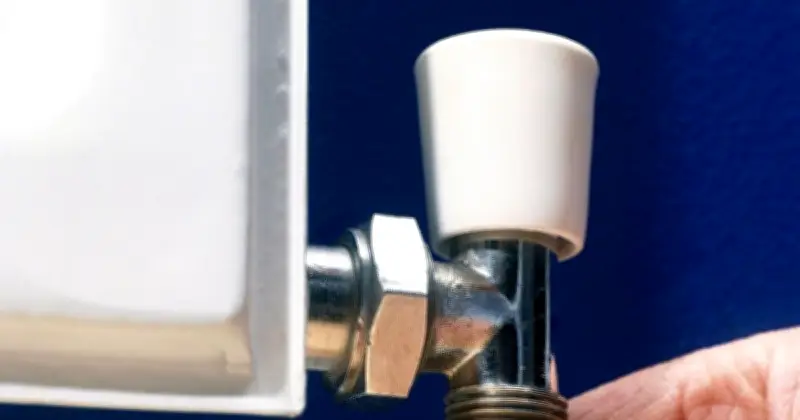
- Find the valve and use a radiator key or screwdriver to open it by turning it counterclockwise. If it's tough to open, use a cloth for a better grip.
- Open it slightly until you hear the hissing noise, which is air escaping.
- Once the sound stops and the water starts streaming out, make sure you catch it in a container.
- Re-tighten the valve.
Calor also lists five other home checks to make before winter sets in. It advises people to check the servicing dates of their boilers, test their carbon monoxide alarms, and know the warning signs of a faulty gas appliance.
Steve Doggrell, Retail Appliance Controller at Calor, said: "6 October has emerged as the average date many households turn their heating back on, which gives people a useful window now to make sure their heating systems and gas appliances are ready for colder weather."
He added: "Rather than waiting until the first chilly day, use the weeks ahead to test your carbon monoxide alarm, check when your gas appliances were last professionally serviced and look out for anything that does not seem right. If a service is due, arranging it before your heating is back in regular use can help you head into winter with confidence. Any gas work should always be carried out by an appropriately qualified Gas Safe registered engineer."