The UK Government is stepping up preparations for national emergencies ahead of potential difficulties linked to El Niño this winter. Security Minister Dan Jarvis said the country is likely to face “a number of challenges” in the coming months and announced a nationwide campaign to inform the public about essential supplies, evacuation routes and emergency contacts.
The move follows an official survey showing that only 13% of people consider their household to be largely or wholly prepared for a disaster. The campaign is expected to advise households on vital items to keep at home, including a battery or wind-up torch, bottled water and tins of non-perishable food.
Minister warns of winter challenges
Asked whether the public should be concerned about El Niño – which could heighten the risk of storms this autumn and winter – Mr Jarvis said: “Well, it's been quite a tough summer. The prime minister has made a commitment to do a wildfire summit and we'll be honouring that commitment.
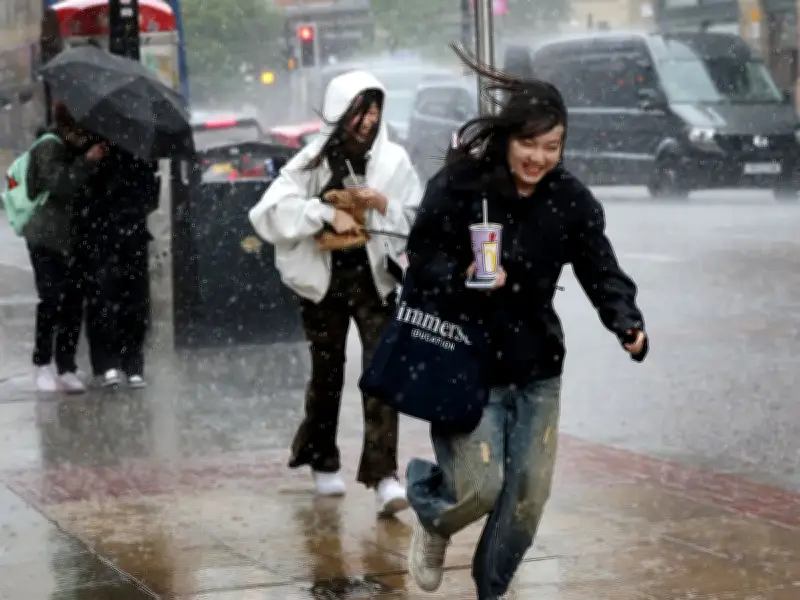
“I think we have to be prepared for the winter. We'll see what weather comes, but on the balance of probabilities, there will be a number of challenges that we have to face over the course of this coming winter.”
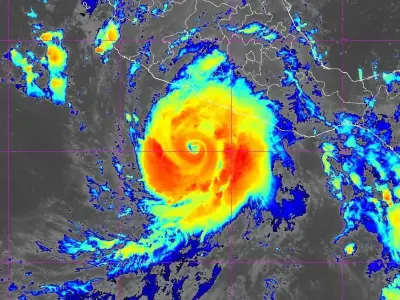
Scientists report that the El Niño climate phenomenon is now the most powerful event on record, potentially bringing increased rainfall and storms this autumn, as well as cold snaps in late winter. Experts have warned it could also disrupt weather patterns across the globe, raising concerns over international food supply chains.
Resilience at local and national level
Mr Jarvis said the campaign will ensure “a much greater understanding of the kind of really sort of simple, low-level things that everybody can do in their own household to make sure that they are as resilient as possible, and that resilience at a local level gives us a much greater resilience at a regional and then at a national level as well.”
He added that the Government is pressing ahead to ensure it has the right plans and resources in place, but also wants to show how the public can “do their bit and be involved”. He said: “We need to make sure that the messaging is simple and catchy and I'm keen that we capture the public's imagination.”
Lessons from Leicester flooding
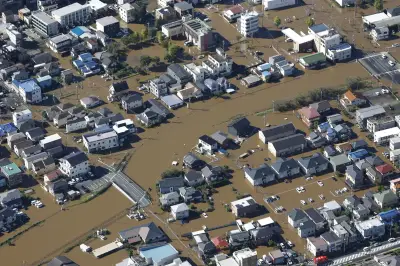
This week, the Mirror joined Mr Jarvis as he met residents in Leicester, where resilience plans have been accelerated after repeated flooding incidents. Some 5,000 members of the public have already engaged with the campaign ahead of its launch in autumn.
Local people told him of their anxiety that they could be hit again but showed him the plans they had enforced, including a flood barrier and a WhatsApp group for neighbours to coordinate their response. The minister took part in a workshop where residents were asked to assess their preparedness, including whether they'd be able to cook meals if there was a power outage with access cut off to ovens, microwaves or other appliances.
Debbie Rossell, whose house was flooded twice in Leicester in recent years, told the Mirror the effects were “devastating” and that she is “on edge” about what the winter will bring. She was forced to move out of her house, which needed extensive renovations, from January to August 2024. After not long being settled back at home, they were hit again and forced to move out from January to May last year.
“It's just devastating. My husband's health's not great so you've got all the mould, the smell. It's just heartbreaking. It's horrible,” she said. “We've got flood barriers at the front door and at the back door. When we get flood alerts, things like that, we're watching the weather all the time, thinking, right, do we need to put them up?
“I feel like this year will be a big test, especially after the summer we've had, if we're going to have a really bad winter, flooding. I'm just hoping we get through winter. So, yeah, you just become very on edge.”
Simple steps for preparedness
Mark Warden, the area's local resilience forum manager, said preparedness is not about being “scared” but is about ensuring communities are well-informed. He said this could include knowing that 105 is the number to call if you have a power cut, keeping your insurance documents in a plastic document and in a well-known place, and knowing your neighbours.
Mr Warden added: “It's not about necessarily being scared. It's just about taking really simple steps that will help prepare people should they ever be disrupted by an event.”
Resilience is set to be a major pillar of Andy Burnham's speech at the Labour conference next week, according to reports.
What should you keep in an emergency kit at home?
- Battery or wind-up torch – torches are safer than candles.
- Portable power bank for charging your mobile phone.
- Battery or wind-up radio to get updates during a power cut – a car radio can be used, however in severe weather it might be safer to stay inside.
- Spare batteries for torches and radio and a backup battery for any medical equipment you rely on.
- A first aid kit (or some first aid items) including items such as waterproof plasters, bandages, a thermometer, antiseptic, eyewash solution, sterile dressings and gloves, medical tape for dressings, and tweezers.
- Hand sanitiser and wet wipes for hygiene purposes when the water is off.
- Bottled water – there is no standard figure for this as emergencies can vary in duration and people use different amounts. A minimum of 2.5-3 litres of drinking water per person per day is recommended by the World Health Organisation for survival. 10 litres per person per day will make you more comfortable by also providing for basic cooking and hygiene needs. Additional water might be needed to make up baby formula, for medical devices and for pets.
- Non-perishable food that doesn’t need cooking, such as ready-to-eat tinned meat, fruit or vegetables (and a tin opener). As with water, how much you need will vary based on your own circumstances. Don’t forget food for pets.
- Baby supplies such as nappies and baby formula – ready made or ‘ready-to-feed’ formula is best as you may not be able to boil water or sterilise bottles.