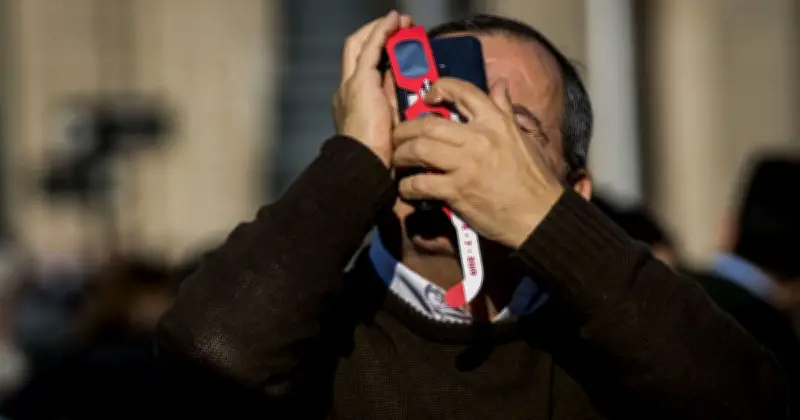
Smartphone users hoping to capture Wednesday's partial solar eclipse are being warned that pointing their cameras directly at the Sun could cause permanent damage to the device. The eclipse, visible across the UK on August 12, will tempt many to snap photos, but the intense rays can become concentrated inside the camera lens.
Heat Could Melt the Lens
Tech outlet BGR explained that camera lenses are not designed to filter the Sun's powerful rays. When focused through the lens, the heat becomes so concentrated that it could melt the lens inside the device. BGR stated: "Using your camera or phone could cause the heat from the rays to become so concentrated that it could melt the lens inside."
Protective Filters Recommended
Photographers who regularly capture images of the Sun use specialist filters to protect their equipment. BGR noted that filters can be fitted over smartphone cameras, while dedicated equipment is available for larger cameras. The outlet also cautioned against looking directly at the Sun through binoculars or telescopes without specialist solar protection, as NASA advises securing a solar filter over the front of optical devices.
Eye Safety Crucial
NASA and other official bodies recommend using solar eclipse glasses that meet the ISO 12312-2 safety standard, which filters harmful light. Looking directly at the eclipse without these lenses may cause lasting damage to the eyes. The advice follows similar warnings issued by NASA ahead of the April 2024 eclipse visible in North America.
UK Viewing Times and Alternatives
The eclipse will be visible across the UK, with the South West expected to get the best view. In London, the eclipse begins at around 6.17pm, peaks at approximately 7.12pm, and finishes at about 8.06pm, with timings varying elsewhere. The Sun will sit low in the western sky, so a clear view towards the west is essential. Those without suitable equipment can watch a live stream provided by the Royal Observatory Greenwich.