Reading Festival 2026 tackled violence against women and girls with adverts explaining why consent matters, which made a solo female concert goer feel safer but also more terrified, writes Yasmin Vince.
Consent adverts at the festival
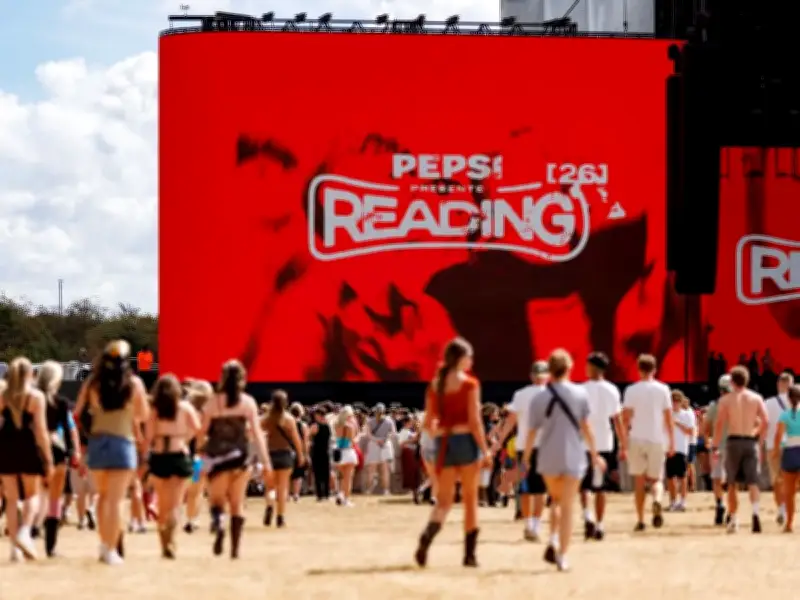
Reading Festival 2026 ran from 27-30 August. The festival has garnered public reaction for scrapping BBC Introducing for what fans are calling a 'Nepo Baby Stage', torrential rain muddying up the grounds, and Charli XCX performing her new music in the UK for the first time.
But for women, particularly those who attended alone, the most important parts came when ads were displayed on stages in between acts explaining why consent in sexual relationships is so important. Alongside signs reminding festival attendees that drugs can kill, Reading played ads they'd put together with women's activist Georgia Harrison.

A solo attendee's reaction
In the ads, Harrison explained that women need to consent to a sexual relationship for it to not be rape, and that being in a relationship does not equal automatic consent, nor does having said yes to sex on a prior occasion.
The writer's first reaction was to cheer, as it can feel like the constant harassment, touching and worse inflicted on women by men is just a burden women bear. Having to put up with that kind of aggression can feel inevitable in an environment where alcohol is available at every corner and the unofficial dress code is 'skimpy'. It is monumental for Reading to be tackling the issue head on and addressing men, telling them what's okay and what's not rather than policing women's bodies.
But after the moment of celebration, the writer remembers being alone at the festival, without friends or family, not camping, and walking the streets of Reading by herself.
Heightened fear
She starts looking out for security guards, counting how many are female, because she'd rather speak to another woman should something happen. She takes out her raincoat and shoves her hands into its pockets, remembering stories of people being spiked with needles when she was at university. The next day, she swaps her mini skirt for jeans and a belt, because they're harder to rip off.
She believes most men are good people who wouldn't need an advert on consent to do the right thing. But some men are bad and might see such an advert and completely disregard it, and they look the same as everyone else.
With no other protective measures noticeable at the festival, as a woman on her own, she felt more scared after seeing the ad than before. She became hyper-aware of things like the pack of topless men who had written 'funny' statements like "I think with my d***" or "Watch out, he's a grabber" on their backs. She can't enjoy the music the way she wanted to, because she's trying to be as inconspicuous as she can be, and wonders if ignorance would have been bliss.