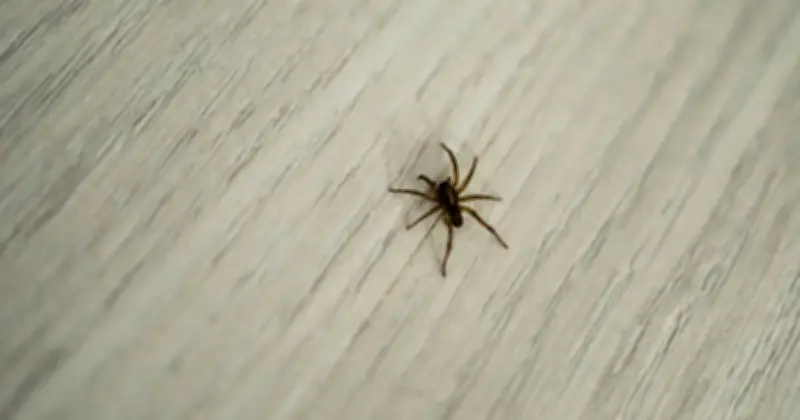
Peppermint oil is the most effective natural spider deterrent, according to pest experts, who shared their top recommendations for keeping spiders out of homes this autumn. The advice comes as spiders seek food and shelter indoors during the colder months.
Peppermint Oil Tops the List
Mosh Latifi, co-owner of EcoCare Pest Management, described peppermint oil as the most effective natural deterrent. He said: “Peppermint oil is the most effective natural spider deterrent available and the one I consistently recommend above anything else. Spiders have taste receptors on their feet as well as scent receptors, which means the menthol compounds in peppermint oil are deeply unpleasant to them on contact rather than simply in the air.
“A diluted spray applied along skirting boards, window sills and door frames creates a barrier that spiders actively avoid crossing. It is available in every supermarket and health food shop, costs very little and doubles as a genuinely pleasant household scent. Used consistently through September and October at the peak of spider mating season, it significantly reduces the number making their way indoors.”
Andrew Pemberton, a chartered building engineer and senior manager of surveying at The Professional Snagging Company, agreed. He described peppermint as “key” for deterring spiders. He said: “Peppermint spray is the key. It's easy to order this item online and is a proven method of deterring spiders. One spray can provide repelling effects for up to six months, so you don't have to worry about the critters for the rest of the year. I'd just give every potential entry a quick spray at the start of autumn, such as doors and windowsills, and that's it.”
Other Scents That Work
If peppermint oil isn't available, other botanical oils can serve as alternatives. Heather Nixon, sustainability manager at Bio-D, said: “Spiders rely heavily on their sensory systems to navigate their surroundings, so my go-to trick during spider season is to use strong botanical aromas, such as eucalyptus, to make certain areas around the home less appealing to them.”
She continued: “As we’ve only just entered spider season, now is a good time to go around your home and pay attention to the places where you tend to see spiders. Botanical aromas such as eucalyptus, peppermint and tea tree are commonly used by people looking to discourage them.
“However, it’s important to remember that scent alone isn’t a guaranteed solution. Keeping rooms tidy, removing old webs and sealing gaps around windows, doors and pipework can also help make your home less attractive and accessible to spiders.”
Cinnamon, Citrus, and Lavender
James Higgins, head of e-commerce at Online Carpets, said: “There are a few scents that spiders dislike – cinnamon, mint, lavender and lemon to name a few. The perfect autumnal scent, spiders dislike the warm spice of cinnamon. Cinnamon comes in different forms, so you can either place cinnamon sticks around your home, or alternatively, opt for a scented candle to deter any spiders and give your house a cosy feeling.
“If you favour lighter smells, opt for lavender and peppermint scents. Grab some lavender or mint plants and pot these so they sit around your windowsill – not only will they spruce up the outdoors of your home, but they can stop spiders from making their way inside in the first place.
“Another great way to get rid of spiders is to look for citrus scents. A cheap and easy solution is to rub lemon peels over your windowsills, skirting boards or any shelves to deter spiders. Not only does the strong citrus smell keep any spiders away, but it will also leave your kitchen or bathroom smelling fresh.”
Charlotte Payne, cleaning expert at B&Q, pointed to lavender as a good alternative. She said: “In peak spider season, while preventative measures reduce the chances of them settling indoors, if you find you’re still dealing with a lot of eight legged friends then a targeted but harmless deterrent may be the most effective answer. This can be sprayed around potential entry points to deter spiders and other insects from entering.
“Be sure to reapply after cleaning for the best results and continued protection. For a more natural approach, consider introducing lavender around the home too, spiders are thought to dislike the strong scent, so placing these near windows can provide a natural deterrent.”
Vinegar Over Conkers
Chris Houghton, home expert at HomeServe, dispelled the myth that conkers can repel spiders. Instead, he recommended a simpler solution using vinegar from the kitchen cupboard. Chris explained: “The idea that conkers will scare off your eight-legged invaders is an old wives’ tale. The story goes that conkers contain a noxious chemical that repels spiders but no-one's ever been able to scientifically prove this.
“An alternative solution is mixing equal parts of water and white vinegar in a spray bottle, and spritzing directly on spiders, webs, or in places where you find them like corners, cabinets, or closets. White vinegar contains acetic acid which is harmful to spiders.”