The Met Office has warned that a weakened polar vortex could bring a bitterly cold spell and snow to the UK this week, prompting advice for people aged over 55 to wear several thin layers of clothing when going outside.
Polar vortex weakening brings cold snap
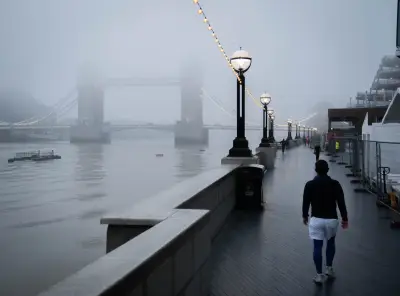
The polar vortex, which sits around 10 to 50km above the Earth's surface and circulates a pool of very cold air over the North Pole, has "weakened" and been disturbed, according to the forecaster. The Met Office described this as an "exceptional development" for this time of year, warning it risks bringing colder, drier conditions to the UK, with an increased likelihood of frost, fog, sleet and snow showers.
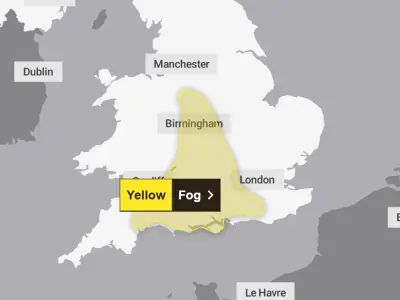
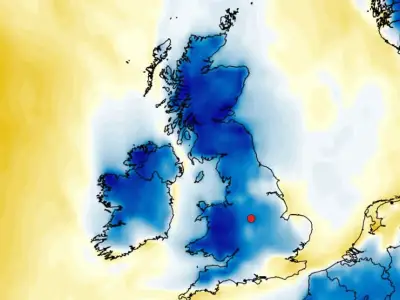
The first signs of wintry weather are forecast for this week as a "distinctly cold spell" sweeps the UK, with cold air spreading south across the country bringing fog, mist and some snow showers from Tuesday. The colder air will be more established by Wednesday, with Scotland, Northern Ireland and northern England seeing frost and early fog, while some snow showers are possible across northern and north-eastern Scotland from Wednesday evening into Thursday. The wintry conditions are forecast to remain into Friday.
Thin clothing rule for over 55s
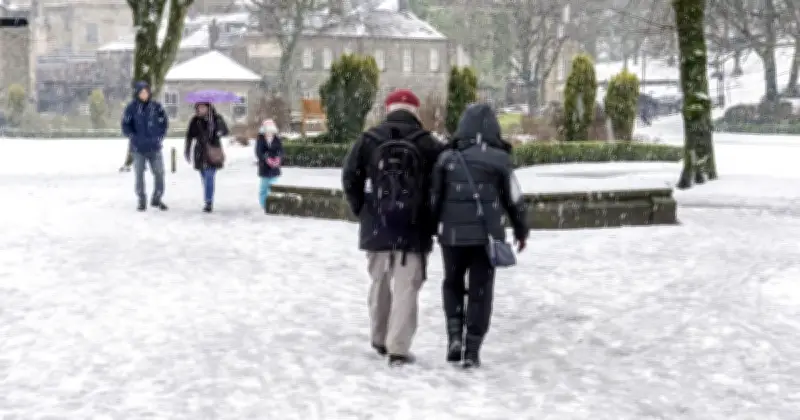
With the bitterly cold spell on the cards, people aged 55 and over are being urged to take measures to protect against the freezing weather, as colder temperatures become harder on the body with age, meaning bodies have to work much harder to stay warm.
The Met Office said: "As we get older, our body has to work harder to keep us warm. From about the age of 55+, we lose around 1% of our muscle mass every year. It doesn’t sound like a lot, but our muscle keeps us warm. So it’s really important to wrap up warm when you go outside."
A simple way to protect against the chilly weather is to follow a 'thin clothing' rule, which means wearing several layers of light clothes rather than one thick layer. According to the Met Office, wearing multiple thin layers helps keep you warmer in cold conditions as heat is trapped between the layers, making you feel much more insulated against the elements.
Staying active and preparing for winter storms
Experts also recommend staying active and going outside for a walk, even if the weather is cold, and if you can't get out, you should make sure to get up and move around at least once every hour. In its cold weather advice, the Met Office said: "With many of us having to spend more time at home it can make it harder to keep active. It’s important to continue to do what you can to stay active as this can help with both your physical and mental health.
"Try to keep moving when you are indoors, try not to sit still for more than an hour or so. Break up your time spent being inactive by walking around your home or standing up from your chair when you are on the phone. If you are heading outside for a walk or maybe some gardening, wear several layers of light clothes. Remember that several thin layers of clothing will keep you warmer than one thick layer as the layers trap warm air. It doesn’t matter what you do to keep active, as long as it’s something you enjoy and keeps you moving. There is strong evidence that people who are active have a lower risk of heart disease, stroke, depression and can also reduce the risk of falling."
The Met Office also advises households to keep up to date with the weather forecast as conditions can change quickly, and to prepare for snowy and icy weather by gathering essential items at home in case of power cuts or winter storms. This includes torches and batteries, a mobile phone power pack, blankets, warm clothing and essential food items, such as bread, bottled water, milk, tinned goods, cereal, snack foods and dried pasta.
The Met Office added: "We are so reliant on the internet, but if a storm meant power and mobile phone networks were affected, what would you do? Consider a separate battery charger, and you could store key information such as the power cut helpline number (105) on your phone. Make sure you have basic supplies in case you have to leave home quickly, or your power and water are disrupted. It's worth putting together a 'grab bag', with bottled water, medicines, a torch, radio and batteries, copies of important documents and a change of clothes."