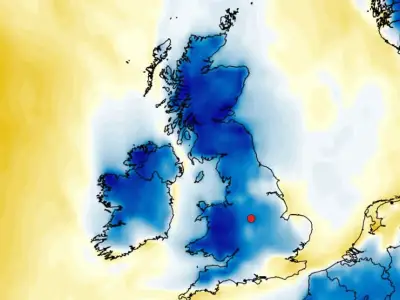
Households across the UK are being urged to prepare for a possible polar vortex blast of icy Arctic air, with temperatures forecast to plummet to -7C this week and snow and ice possible in some areas. Yellow cold health alerts are currently in force for five regions of the UK, and the Met Office has issued a new polar vortex assessment indicating that colder conditions, including possible snow, frost and fog, could arrive as soon as later this month.
Polar Vortex Weakening Earlier Than Ever Recorded
Just a few days ago, the Met Office advised that colder conditions could arrive as early as this November thanks to a polar vortex weakening earlier than ever before recorded. This may result in snowy conditions being pushed to the UK as a batch of frigid air is potentially loosened from the North Pole. Although it is not yet a certainty, the increasing possibility of a cold snap comes just as households are being urged to prepare for possible national emergencies.
Stay Active to Stay Warm
If the cold weather arrives, households will be urged to take precautions against the freezing conditions, including doing one thing every hour to stay warm. The Met Office recommends staying active when temperatures are cold, even if you are stuck inside because of the weather, as this helps your body keep warm and stave off winter illnesses like colds, flu and more serious health problems. This does not mean doing a full workout; it simply means getting up and walking around at least once every hour to keep your body moving.
In its cold weather advice, the forecaster says: “With many of us having to spend more time at home it can make it harder to keep active. It’s important to continue to do what you can to stay active as this can help with both your physical and mental health.
“Try to keep moving when you are indoors, try not to sit still for more than an hour or so. Break up your time spent being inactive by walking around your home or standing up from your chair when you are on the phone.
“It doesn’t matter what you do to keep active, as long as it’s something you enjoy and keeps you moving. There is strong evidence that people who are active have a lower risk of heart disease, stroke, depression and [it] can also reduce the risk of falling.”