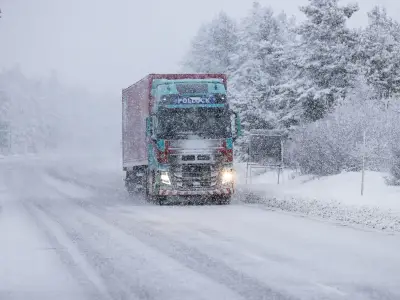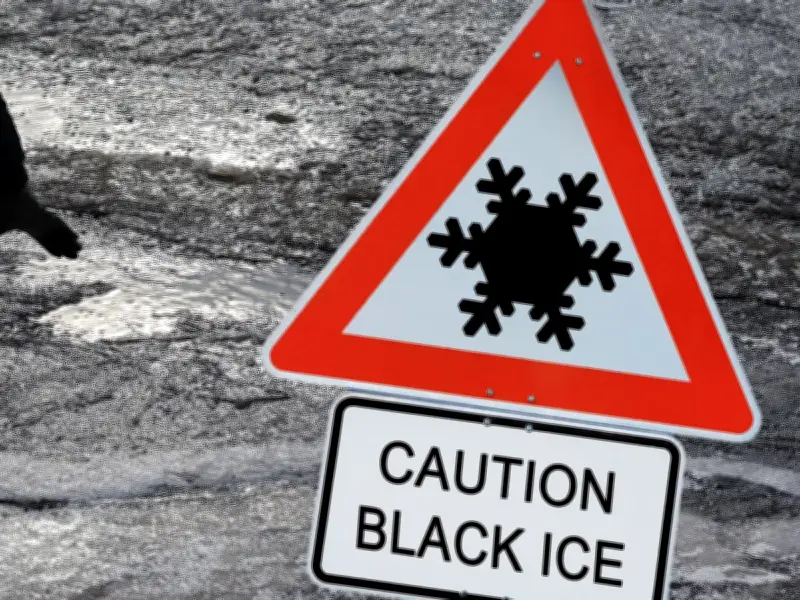
Drivers are being urged to take extra care tonight as freezing conditions are set to bring a risk of black ice to roads across the UK. The Met Office has warned temperatures could fall as low as -9C in parts of Scotland Friday night going into Saturday morning, with much of the country set to wake to a hard frost. It comes after -8.4C was recorded in Tulloch Bridge last night.
Where temperatures will drop lowest
Under clear skies and light winds, temperatures in isolated rural spots across Scotland and far northern England are expected to drop to -8°C or -9°C. BBC Scotland forecasts a slight outside chance of a rural glen touching -10°C.
Graham Conway, managing director of leading vehicle leasing broker Select Car Leasing, said motorists should start by easing off the accelerator. He said: “Black ice can catch you off guard, so it’s important to slow down. Reducing your speed gives you more time to react to any unexpected icy patches.
“Keep a good distance from the car in front so you have a buffer in case of sudden stops or skids. It’s a simple precaution that can make a significant difference. Use your headlights, even during the day. They help you see better and make it easier for other drivers to spot you on the road.”
He says icy patches and black ice are likely to form overnight into Saturday morning, even though the Met Office does not currently have a formal ice warning active for Scotland.
How to handle the car on ice
How you handle the car matters most when grip disappears, and Mr Conway advises a gentle touch on the wheel. He said: “When encountering black ice, steer gently and avoid sudden movements. Use a light grip on the wheel and make small, controlled movements to navigate the icy patches.”
On braking, he recommends the “threshold braking” technique. “Apply the brakes with steady, firm pressure, but avoid slamming them on,” he said. “This allows you to maintain control while slowing down gradually. If your car has an anti-lock braking system (ABS), trust it.”
Know your car and prepare for winter
With hazardous road conditions more likely in winter, Mr Conway said drivers should understand the safety technology built into their vehicles. “Get to know your car’s ABS and traction control,” he said. “These features can be helpful on icy roads, aiding control in slippery conditions.”
He also advised keeping an emergency kit in the car, including a torch, blankets and non-perishable snacks. “If you find yourself in a difficult situation, having these supplies can make a significant difference,” he added.
Untreated rural roads, bridges, shaded routes, and sheltered glens are the most prone to slippery patches.
Winter tyres and known hotspots
Mr Conway is a strong advocate of winter tyres for extra traction. He said: “Consider getting a set for the colder months. They can significantly improve your vehicle’s grip, reducing the likelihood of skidding on black ice.”
Black ice also forms more readily in certain spots. Mr Conway explained: “Bridges, overpasses and shaded areas are more prone to black ice. Approach these with extra caution and be prepared for changing road conditions.”
These locations cool more quickly, receive less sunlight, and lack the insulating effect of the ground beneath, allowing ice to form rapidly. Mr Conway added that recognising common hotspots “allows drivers to anticipate challenges and adjust their driving behaviour accordingly”.