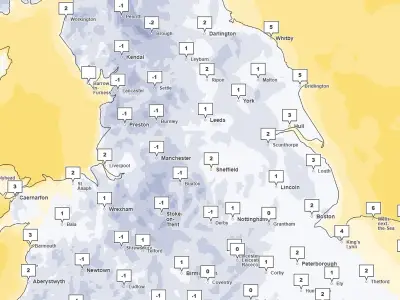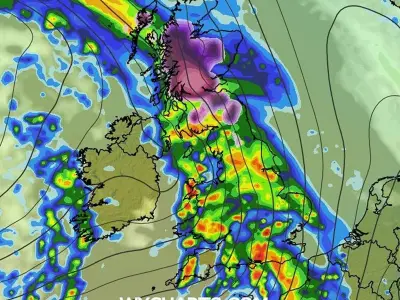
People aged 55 and over are being urged to follow a 'thin clothing' rule this Friday as the Met Office forecasts bitterly cold weather, with temperatures expected to drop as low as -8C. Friday, November 20, is expected to be the coldest day, with sub-zero temperatures possible in parts of the UK on what could be the coldest night of autumn so far.
The week will bring a mix of heavy rain and gusty showers, but colder air will become more established by Friday as it spreads south. As skies clear on Friday night, a widespread frost is expected.
Why Older Adults Are at Risk
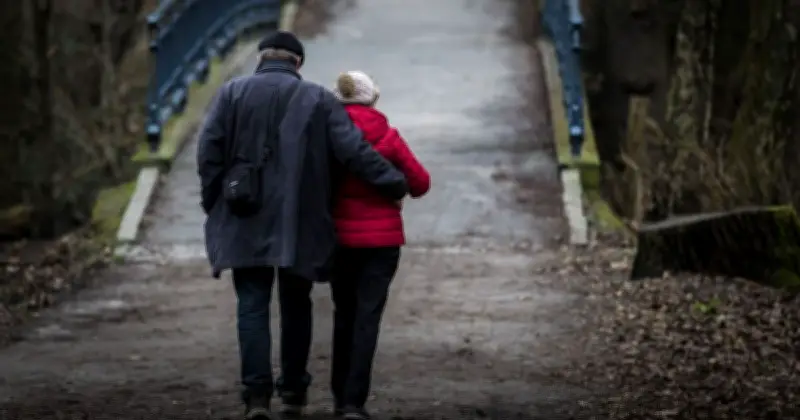
As colder temperatures become harder on the body with age, people aged 55 and over are being urged to take steps to protect against the freezing weather. The Met Office explained: "As we get older, our body has to work harder to keep us warm. From about the age of 55+, we lose around 1% of our muscle mass every year. It doesn’t sound like a lot, but our muscle keeps us warm. So it’s really important to wrap up warm when you go outside."
A simple way to protect against cold weather is to follow a 'thin clothing' rule, which means wearing several layers of light clothes when temperatures plummet, rather than one thick layer. According to the Met Office, wearing multiple thin layers helps to keep you warmer as heat is trapped between the layers, making you feel more insulated against the elements.
Staying Active and Warm Indoors
Experts also recommend staying active and going outside for a walk, even if the weather is cold. If you can't get out, you should make sure to get up and move around at least once every hour. In its cold weather advice, the Met Office said: "With many of us having to spend more time at home it can make it harder to keep active. It’s important to continue to do what you can to stay active as this can help with both your physical and mental health."
"Try to keep moving when you are indoors, try not to sit still for more than an hour or so. Break up your time spent being inactive by walking around your home or standing up from your chair when you are on the phone. If you are heading outside for a walk or maybe some gardening, wear several layers of light clothes. Remember that several thin layers of clothing will keep you warmer than one thick layer as the layers trap warm air."
"It doesn’t matter what you do to keep active, as long as it’s something you enjoy and keeps you moving. There is strong evidence that people who are active have a lower risk of heart disease, stroke, depression and can also reduce the risk of falling."
Advice from Age UK and UKHSA
The advice is backed by Age UK and the UK Health Security Agency (UKHSA), which says the simple layering tip will help keep you warmer than one thicker layer when heading outside, and in turn help protect your health in cold weather. For keeping warm overnight, Age UK recommends opting for warm nightwear, as well as thick socks and slippers.
In its online advice, the charity said: "Wearing several thin layers will keep you warmer than wearing one thick layer, as layers trap warm air between them. If you're heading out, make sure you take some extra layers – even if you don’t need them immediately. It's a good idea to be prepared because the temperature can drop significantly when the sun goes down."
"Cold temperatures can disrupt our sleep. Wearing warm nightwear, as well as thick socks and slippers, can help you stay warm overnight. Our bodies react to the cold by redirecting our blood away from our hands and feet and towards our vital organs, so part of keeping our hands and feet warm is about keeping our whole body warm."
Met Office, UKHSA and Age UK advice also recommends heating your home to a minimum of 18C, as low indoor temperatures can have a serious impact on your health when you are older, so the rooms you spend a lot of time in should be kept at this level day and night. If there are rooms you don't use, such as a spare bedroom, you could turn the radiators off in that room and close the doors to help save on energy costs while keeping the parts of your home you are using warm. It's also advised that curtains are kept open during the day to allow warmth into your home, while draught excluders can also be used to help lock in heat.