The UK Health Security Agency (UKHSA) has issued amber heat health alerts for almost all of England, as temperatures are forecast to reach the mid-30s Celsius again this week, with the mercury expected to peak at 36C in some areas on Thursday.
The alerts cover the East Midlands, East of England, Yorkshire and the Humber, London, North West, South East, South West, and West Midlands. A single yellow alert was issued for the North East. All warnings are in effect from Tuesday August 11 at 9am until Friday August 14 at 9pm.
Heatwave builds through the week
The Met Office confirmed it is forecasting temperatures to reach the mid-30s later in the week, following a relatively cool Monday. The heat is expected to build day by day, driven by high pressure bringing plenty of sunshine.
Met Office chief forecaster Jason Kelly said: "Heat will gradually build this week, with temperatures reaching into the mid-30s Celsius in what will be a fairly widespread heatwave for England and Wales. The driver for this week's heat is high pressure, this becoming dominant over the next day or so, bringing plenty of sunshine and allowing temperatures to build day-by-day."
He added: "Southerly or southeasterly winds will also tap into the hot conditions over Europe, meaning we're looking at further notable heat for many this week, likely peaking on Thursday."
Drought and dry conditions continue
The warnings come as almost three-quarters of England was officially declared in a drought, following a record-breaking hot summer. England and Wales have endured their driest July in records stretching back to 1836, with provisional figures revealing that 19 counties in England saw absolutely no rainfall throughout the entire month.
Southern England also recorded its hottest July on record, while Wales experienced its joint hottest July on record, and both the UK and England sweltered through their second hottest July, according to Met Office figures.
Wildfires and water incidents
Devastating wildfires have torn through areas including the Pennines, the Cairngorms in Scotland, Llanwonno in the Rhondda Valleys, South Wales, and Dunwich Heath in Suffolk. More than 120 firefighters were battling on Monday to contain the latest blaze, which is engulfing a square kilometre of heathland in the New Forest, Hampshire, forcing the closure of the A31 following a vehicle fire.
The sweltering dry conditions this summer have combined with several heatwaves, including record-breaking temperatures for the time of year in May and June, which led to more than 2,800 excess deaths.
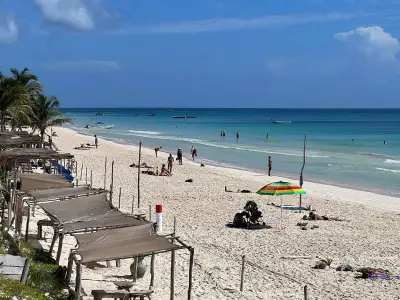
An 18-year-old died after getting into difficulty in the sea at Camber Sands beach, East Sussex on Sunday, bringing the total number of fatalities in open-water incidents throughout the scorching, dry summer to more than 40. On inland waterways, the Canal and River Trust announced it has temporarily lifted the requirement for boats without a permanent mooring to relocate at least every 14 days, as part of measures to conserve water supplies.
Government response and public advice
Downing Street insisted it remained committed to both the immediate response and building long-term resilience against escalating extreme weather events. The Prime Minister's official spokesman said: "We know these conditions are having a significant impact on communities, farmers and businesses across the country. Our climate is changing. Droughts are becoming more common, which is why we're focused on both the immediate response and long-term resilience.
"That includes working through the national drought group with the Environment Agency, water companies, farmers, and environmental organisations to protect water supplies and minimise environmental damage. And we're also backing major investment in water infrastructure, including new reservoirs, whilst making clear that water companies must do more to cut leaks and improve resilience."
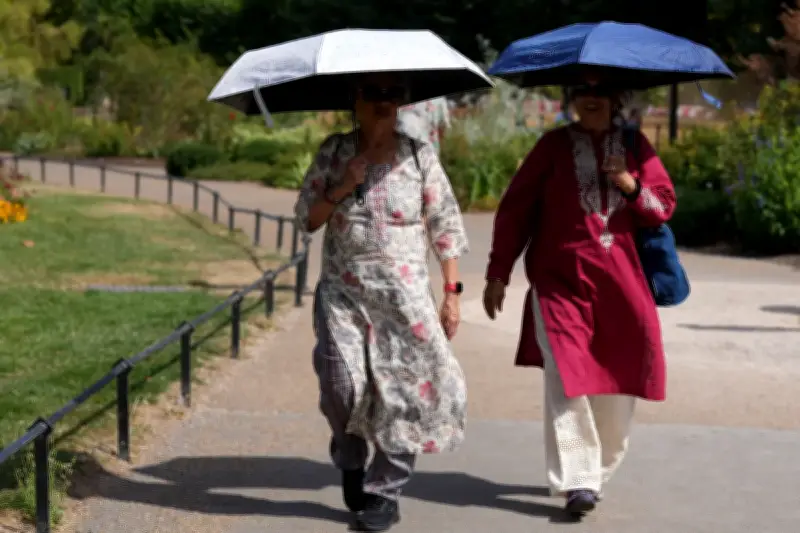
Polly Ashmore, acting consultant in public health at the UK Health Security Agency, called on people to take straightforward precautions to remain safe, such as drinking plenty of fluids, keeping homes cool and steering clear of the sun during the hottest part of the day.
"For vulnerable groups including older adults and those with existing health conditions, warmer weather can result in serious health outcomes. We urge health and social care services to ensure they are prepared and encourage people to check on vulnerable friends and family to make sure everyone is aware of the forecast, follows the necessary advice and stays safe in this period of hot weather," she said.