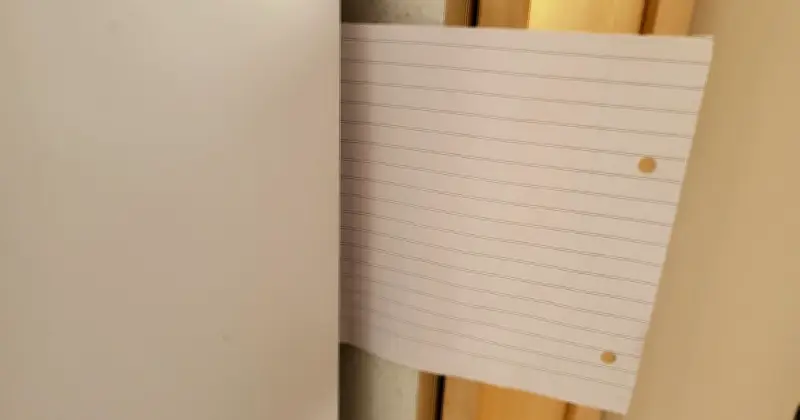
As the UK braces for another spell of hot weather, with heat health alerts in place across all regions of England until Friday, August 14, households are being urged to check their fridges are working properly. White goods manufacturer Beko suggests a simple test using a piece of paper to diagnose a common problem that could lead to food spoilage and higher energy bills.
Why Check Your Fridge Seal?
According to Beko, a worn-out door seal is a frequent issue, especially in older fridges. If the seal is not functioning correctly, warm air can enter the fridge, forcing the cooling system to work harder. This not only increases energy consumption but can also damage the fridge and cause food to go off more quickly.
A spokesman for Beko explained: “One issue that may arise with your fridge is wear and tear on the door seal. A worn-out door seal can prevent the refrigerator door from closing properly, causing the cooling system to work harder to keep your groceries fresh. This can lead to increased energy consumption and potential damage to your fridge and its temperature settings. Warm air entering your fridge can overwhelm the cooling system, especially during hot summer days.”
How to Perform the Paper Test
Salah Sun, Head of Product Management at Beko UK, outlined the simple method: “To check if your fridge door is functioning correctly, use a piece of paper. You can buy paper for as little as 1p or use any paper you have at home. Place the paper against the door seal and close the door. When you try to pull the paper out, you should feel some resistance. If the paper slides out easily, your door seal may need replacing.”
UKHSA Heat Health Advice
The UK Health Security Agency (UKHSA) has issued amber alerts for the East Midlands, East of England, South East, London, North West, Yorkshire and The Humber, West Midlands, and South West regions, with a yellow alert for the North East. The UKHSA guidance includes checking that fridges, freezers, and fans are working properly, along with other tips to stay cool:
- Keep your home cool by closing windows and curtains in rooms that face the sun – and remember that it may be cooler outdoors than indoors.
- Look out for those who may struggle to keep themselves cool and hydrated – older people, those with underlying conditions, and those who live alone are particularly at risk.
- Drink plenty of fluids and avoid excess alcohol.
- Never leave anyone in a closed, parked vehicle, especially infants, young children, or animals.
- Try to avoid direct sunlight, especially between 11am and 3pm when UV levels are highest – if you do go outside, cover up with suitable clothing, such as an appropriate hat and sunglasses, and seek shade and apply sunscreen regularly.
- Walk in the shade, apply sunscreen, and wear a wide-brimmed hat, if you have to go out in the heat.
- Avoid physical exertion in the hottest parts of the day.
- Make sure you take water with you if you are travelling.