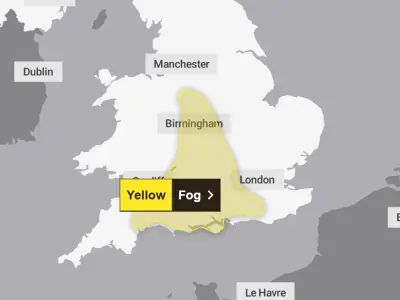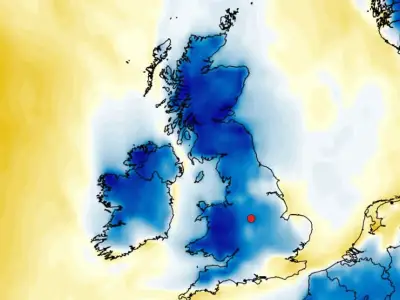
Temperatures are set to drop across the UK as winter officially arrives, with the Met Office predicting lows of -1°C in Greater London and possible snow in northern Scotland. The Midlands, east, and south-east England have been warned that widespread frost is expected into Saturday morning.
Met Office meteorologist Alex Deakin said the weekend will begin with “a fairly extensive frost,” particularly affecting rural areas. While digging out winter coats and thicker duvets, gardeners are reminded to prepare their outdoor spaces too.
Expert tips for winter garden prep
Guy Barter, chief horticulturist at the Royal Horticultural Society (RHS), has shared his top tips for getting gardens ready for winter. He advises gathering vegetables before rain and frost spoil them, noting that potatoes, pumpkins, squash, and tomatoes are precious this year after dry spells left crops light. Green tomatoes may ripen in a warm place unless too green, in which case green tomato chutney can avoid wasting them. Leftover cucumbers can make tasty pickle.
Root vegetables can be left in the ground until December, Barter explains. “After that cover carrots with cardboard to exclude frost and store beetroot, celeriac and turnips indoors in boxes of sand in cold regions. Parsnips and swedes shrug off frosts and can be left in place.” Any remaining fruit should be brought inside the house now too.
Trimming, mulching, and sheltering plants
Barter warns against cutting back herbaceous plants too early just because they don’t look attractive, as they can look quite “dramatic” covered in frost. Evergreen plants, such as red hot pokers, should be left untrimmed, with dead leaves removed in spring. Tender plants like pelargoniums should be dug up and brought indoors, or moved to a bright, frost-free spot if in pots. Canna rootstocks and dahlia tubers are also candidates to bring indoors. In milder regions, dahlias can survive winter outdoors in well-drained soil, potentially protected with bark chips, which can also help protect the base of fuchsia plants.
Once enough rain has fallen to deeply wet the soil, Barter urges gardeners to apply mulch wherever possible. This suppresses weeds and helps drought-proof the garden in case of more dry weather next year. Wood and bark chips are ideal for hedges, shrubs, and trees, while compost and composted manure suit roses, beds, and borders.
For frost-sensitive plants that cannot be brought inside, potted ones like agapanthus or salvias need shelter against walls. Plants in the ground should be wrapped with fleece, ideally biodegradable or recycled, supported by stakes. Barter also suggests packing straw round banana plants for extra protection and excluding rain with a reclaimed plastic cap.
Lawn care and wildlife-friendly steps
Barter recommends raking leaves “from time to time to avoid them smothering border plants and lawns.” Raking them beneath trees and shrubs and covering with mulch is a simple way of recycling them into the soil, supporting worms and other soil organisms and increasing soil health. He also advises patching bare areas and worn edges of lawns, but leaving lawn seed sowing until spring. “Brush worm casts to avoid smearing. Worms have been scarce in the heat and drought, but these useful creatures will be more readily seen now.”
Will McCallum, executive director of Greenpeace, shares advice on making gardens wildlife-friendly this winter. He urges gardeners to ditch pesticides like glyphosate, which harm soil and earthworms that provide food for birds and hedgehogs. He also suggests leaving grass and leaves to support wildlife, keeping bird feeders clean, providing fresh water when natural sources freeze, and considering a bell on a cat’s collar to give birds a better chance of escaping.
McCallum advises planning ahead for hotter, drier summers by adding plants that don’t need lots of water, and suggests planting a Christmas tree instead of throwing it away. He recommends sticking only to organic fertilisers and avoiding peat, as artificial fertilisers prohibit wildflowers and slower-growing plants.