The Yorkshire Dales National Park has been named the UK's best stargazing destination by travel experts at Ski Vertigo, just as the 2026 Perseid meteor shower begins. The ranking considered protected dark-sky status, public viewing access, and nearby accommodation.
Why the Yorkshire Dales Tops the List
The entire national park is an International Dark Sky Reserve, approved in November 2020. Its protected core covers 30% of the park and includes several established stargazing locations. Visitors can see the Milky Way, planets, meteors, and occasionally the Northern Lights across large stretches of unpolluted sky. The Dark Sky Reserve core reaches the upper parts of Swaledale, the Rawthey Valley, Garsdale, Littondale, and Wharfedale.
Other Top Stargazing Locations
Bodmin Moor in Cornwall ranked second. It is an International Dark Sky Landscape, with the protected area extending across the moor's Cornwall National Landscape section and a two-mile buffer zone. The designation has been in place since 2017, and much of the moor is open-access land.
Stonehaugh in Northumberland came third. It is a free-to-access Dark Sky Discovery Site with a stargazing pavilion in Kielder Forest, at the heart of Northumberland International Dark Sky Park. The pavilion is free to use, with nearby parking at the picnic site, and the location sits within one of Europe's largest protected dark-sky areas.
Timing and Tips for Stargazers
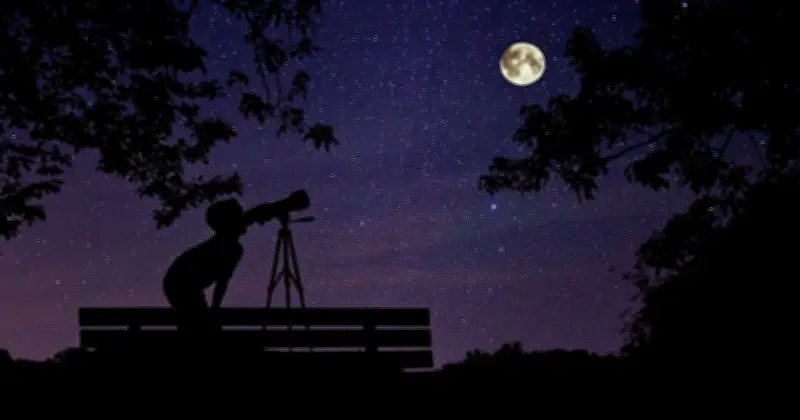
The 2026 Perseid meteor shower is active from July 17 to August 24, peaking overnight on August 12 to 13. The new Moon during the peak should create particularly dark viewing conditions. Although summer offers the Perseids, longer autumn and winter nights provide more hours of darkness.
Alex Dyer, managing director at Ski Vertigo, advised: "Look for genuine darkness, but also check that the viewing point is publicly accessible, that parking is permitted and that your accommodation is not a long drive away on unfamiliar rural roads." He added: "Check the cloud forecast and Moon phase before setting out, take warm layers even in summer and use a red-light setting rather than a bright phone screen. Your eyes need about 15 minutes to adjust, and a poorly placed torch or car headlight can quickly spoil the view for everyone nearby."