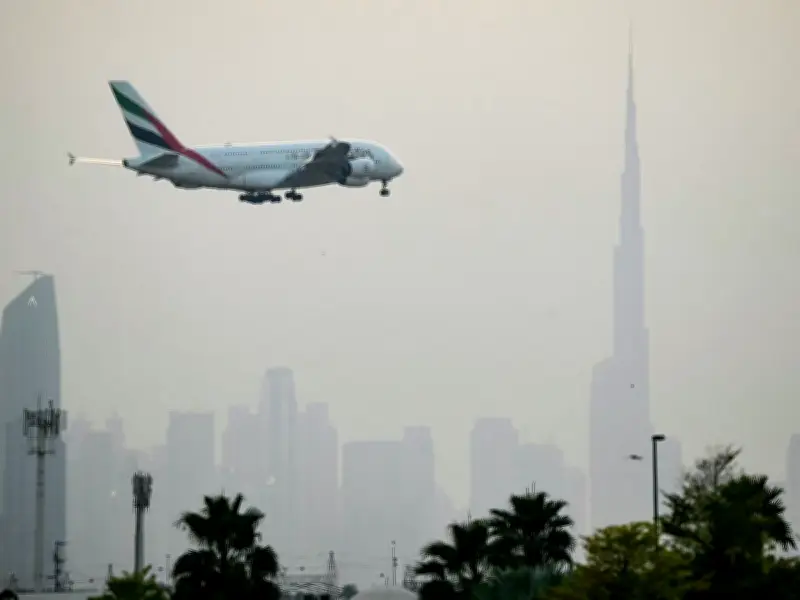
The UK Foreign Office has announced a significant change to its travel advice for several Middle Eastern countries, including the United Arab Emirates (UAE), which encompasses Dubai. In an alert issued on Thursday, June 18, the Foreign, Commonwealth and Development Office (FCDO) stated that it 'no longer advises against all but essential travel' to the UAE, as well as parts of Saudi Arabia, Qatar, Kuwait, and Bahrain.
Background of the Change
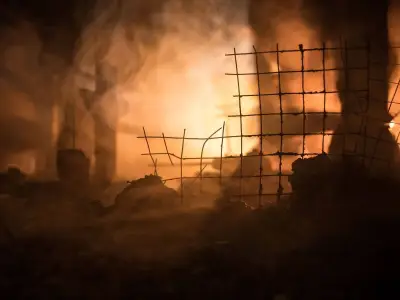
This update comes after the United States and Iran signed a Memorandum of Understanding, an initial peace deal aimed at ending the ongoing conflict. The agreement, effective immediately, includes the reopening of the Strait of Hormuz, a £224 billion plan for Iran's reconstruction, and the termination of US sanctions on Iran. However, the situation regarding Iran's nuclear programme remains unresolved, prompting the two countries to negotiate for an extendable 60-day period.
Previous Travel Advisories
Since the outbreak of war between Iran and the US in February, the UK government has regularly updated its travel advice to ensure the safety of British citizens. Until now, the Foreign Office had advised against all but essential travel to parts of the Middle East, including the UAE. This advice has now been revised.
Current Advice for Travellers
A note on the FCDO advice page for the UAE reads: 'FCDO no longer advises against all but essential travel to UAE.' However, it also warns that 'the US and Iran have announced a memorandum of understanding in relation to the conflict in the Middle East. The situation remains unpredictable and attacks could resume at short notice.' Similar updates have been made for Saudi Arabia, Qatar, Kuwait, and Bahrain.
The Foreign Office advises travellers to the Middle East to:
- Read the guidance on how to prepare for a crisis, including what to include in emergency supplies and what to do in a crisis.
- Follow advice from local authorities.
- Sign up for FCDO Travel Advice email alerts.
- Monitor local and international media for the latest information.
- Stay away from areas around security or military facilities.
- Keep departure plans under review and ensure travel documents are up to date.
- If advised to take shelter, stay indoors or find the nearest safe building or designated shelter. An interior stairwell or a room with as few external walls or windows as possible may provide additional protection, as the greatest risk is from falling debris caused by intercepts.
For further information, travellers can visit the GOV.UK page for those affected by a crisis abroad.