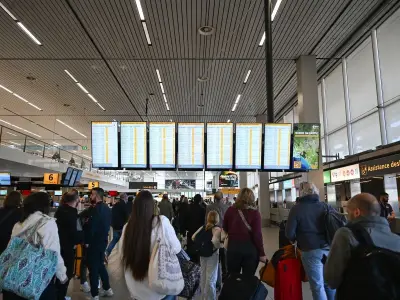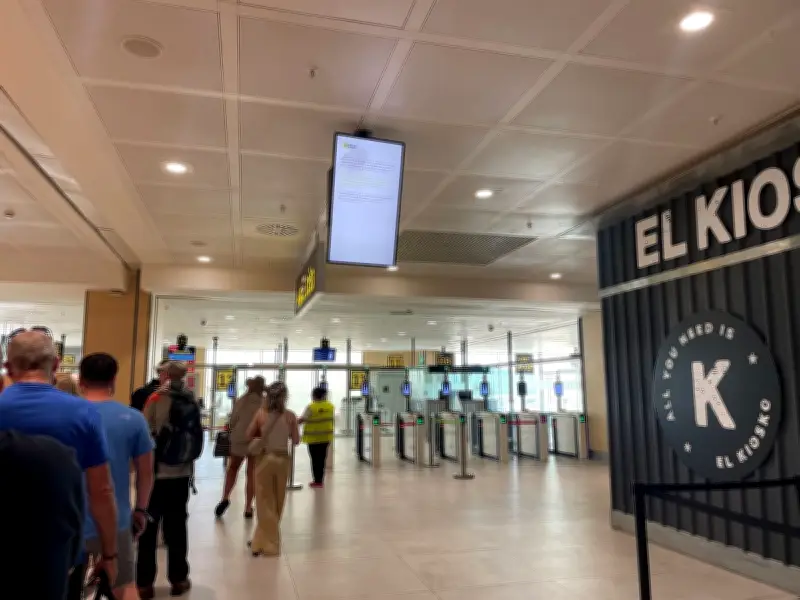
Passport control for departures at Ibiza Airport saw long queues, but a travel writer's experience with the EU's Entry/Exit System (EES) was surprisingly smooth. The M.E.N's Tourism Writer Liv Clarke flew to Ibiza earlier this month and shared her top tip: monitor the departure board closely and head to your gate as soon as it is announced.
First-Hand Experience with EES at Ibiza Airport
Clarke departed Manchester Airport on a Jet2 flight at around 6:30am and landed in Ibiza at roughly 10am local time. Aware of potential long queues, she was pleasantly surprised. The non-EU arrivals queue moved quickly, with only a few minutes' wait for an EES kiosk. Clear instructions and staff assistance made the process easy, though the machines took about a minute to process each step. The entire experience from entering the terminal building to passing passport control took around 15 minutes.
Return Journey: Key Advice for Passengers
Six days later, Clarke returned to Ibiza Airport for her flight home. She arrived about two hours before departure and found check-in and security smooth. Her key advice: keep an eye on the departure board and proceed to the gate immediately when it is announced. Those who lingered in duty free risked being at the back of the queue. At the gate, passport control queues formed quickly, but once the kiosks opened, passengers filed through relatively quickly. The return process only required a passport scan and photo, no fingerprints, as initial registration was already done.

How EES Works
The EES requires UK travellers to register biometric information—fingerprints and photographs—when entering the Schengen area. This creates a digital record valid for three years, replacing passport stamping. Travellers may also need to answer questions about their stay, such as accommodation and return ticket. On exit, either fingerprint or photo may be required. The system applies to 29 Schengen area countries, including EU members plus Iceland, Liechtenstein, Norway, and Switzerland. Children under 12 are exempt from fingerprinting.
Potential Disruption and Advice
EES was introduced in October 2025 and ramped up on April 10, 2026. EU rules allow temporary halts to avoid queues at peak periods. The Home Office advises travellers to be prepared for slightly longer waits. EES registrations last three years, with subsequent crossings expected to be quicker. If a flight is missed due to EES queues, the UK Civil Aviation Authority notes airlines are unlikely to offer compensation. Travel insurance typically does not cover such delays. Government advice recommends planning ahead and allowing extra time.